
Armenia was to be the third country in our tour of the Caucasus, when I mentioned we were visiting here on a travel writing/travel PR site I was approached by a lovely PR person and asked if I’d like someone to show us around. While caveating that I may not be able to get a commission straight away I happily accepted the invite, and I’m very glad I did.
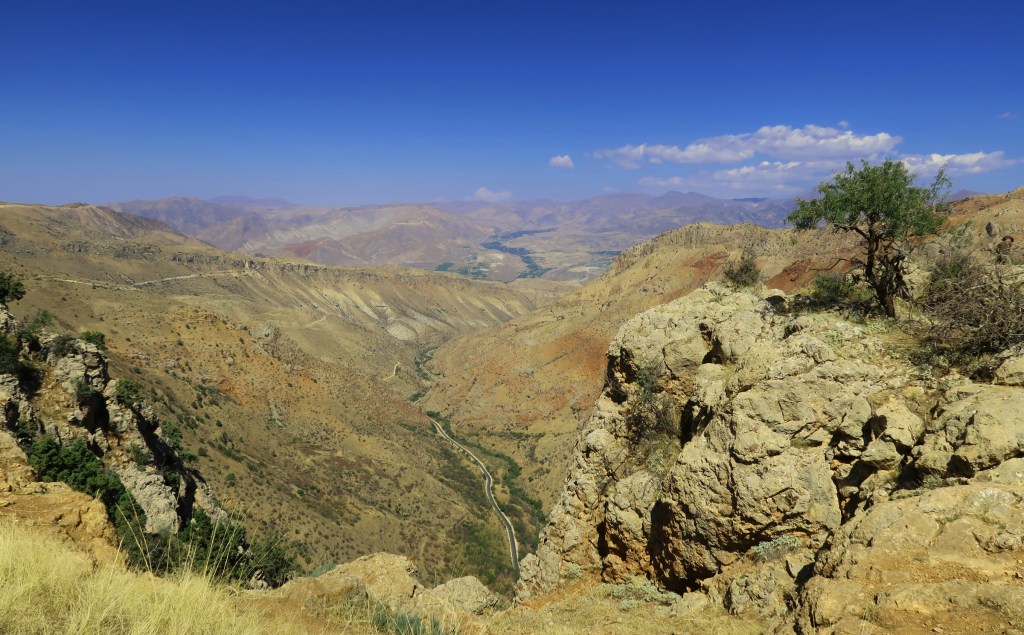
For two days we enjoyed an exhausting and extensive tour of the country, starting with a drive to the start of the Bezoar Goat Trail. Located in the dry and dusty canyons of the Vayots Dzor region the trail was very easy to follow, our experienced enhanced significantly by the guide’s expertise in all things flora, fauna and history. Passing a centuries-old khachkar – upright slabs of stone into which intricate religious designs are carved – was our first indication of the wealth of ancient sights to be seen here. Eyes were further widened when we spotted, far below, the 13th-century Noravank Monastery.
After the short hike we were driven to the monastery which contains two churches and a chapel. I stood in the gloomy interior of Surb Astvatsatsin and thought of all who had stood where I was over the 685 since it was completed.
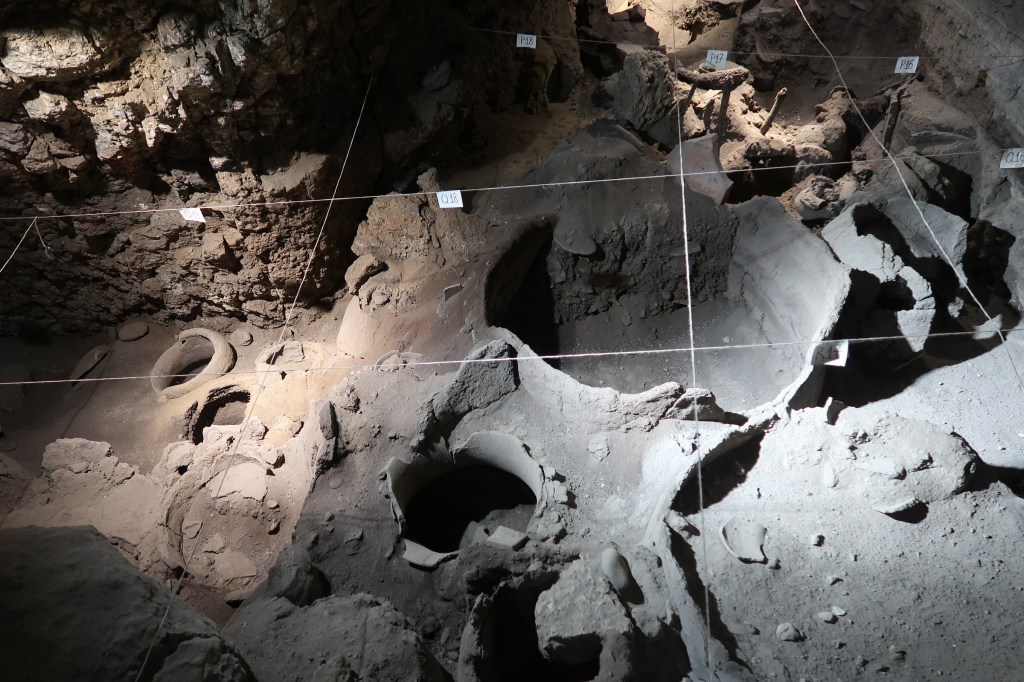
The monastery was far from the oldest sign of civilisation in the Amaghu Valley. At the entrance to the valley is Areni-1 cave where, in 2008, the earliest known shoe was discovered, then the following year archaeologists uncovered the oldest humanoid brain, then in 2010 excavations began on a winery dating back to around 4100BC. Yes, humans have been making wine for 6,000 years.
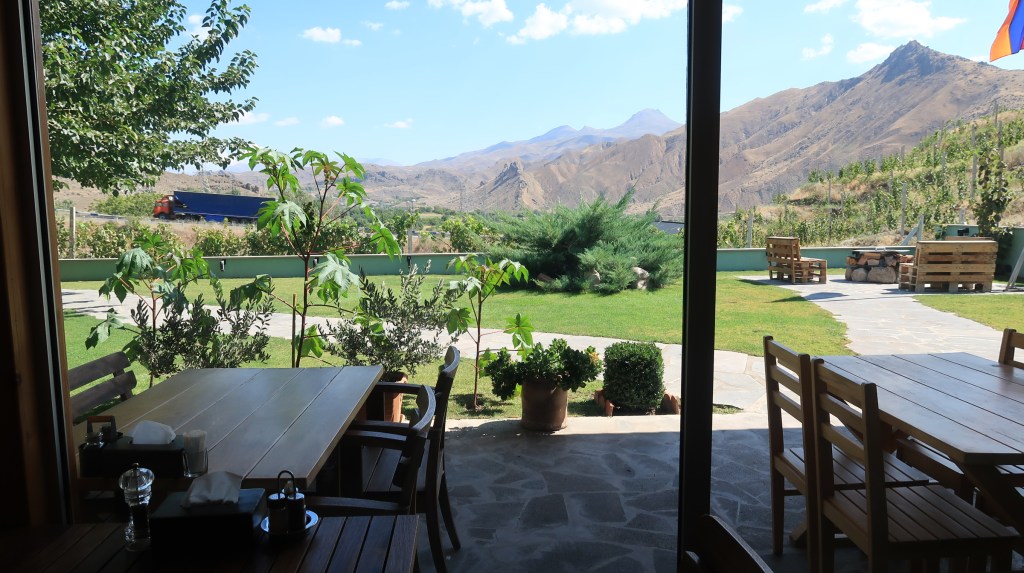
It’s a surprisingly large cave, with boardwalks laid down for visitors to easily walk from one chamber to the next and peer down into the large clay jars in which grapes were once fermented. This whet our appetites for a wine tasting which we enjoyed at the nearby Old Bridge Winery where we sat beside floor-to-ceiling windows overlooking the vines that provided the fruits we now sampled in delicious wine form. Thankfully a generous tray laden with a variety of nibbles helped overcome any tipsiness. After a tour of the winery’s production facilities we returned to Yerevan, passing long lines of military defences.
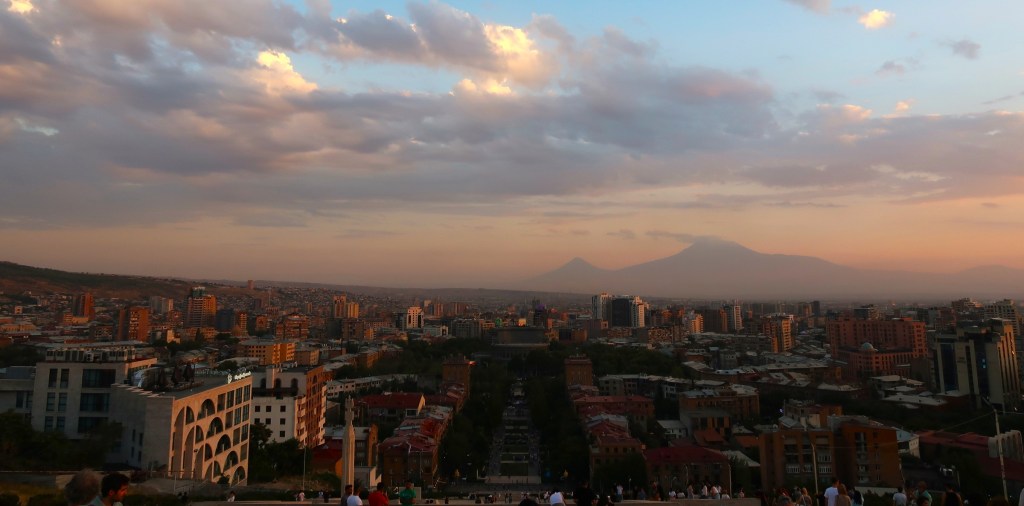
On our second evening in Yerevan we headed to the Cascade Monument; 572 white marble steps 50 metres wide. Having climbed 302 metres up the steps we could see across the city and all the way to Mt Ararat, the 5,137m dormant volcano that is such a strong part of Armenian identity and yet which was taken by the Soviets and handed to Turkey.
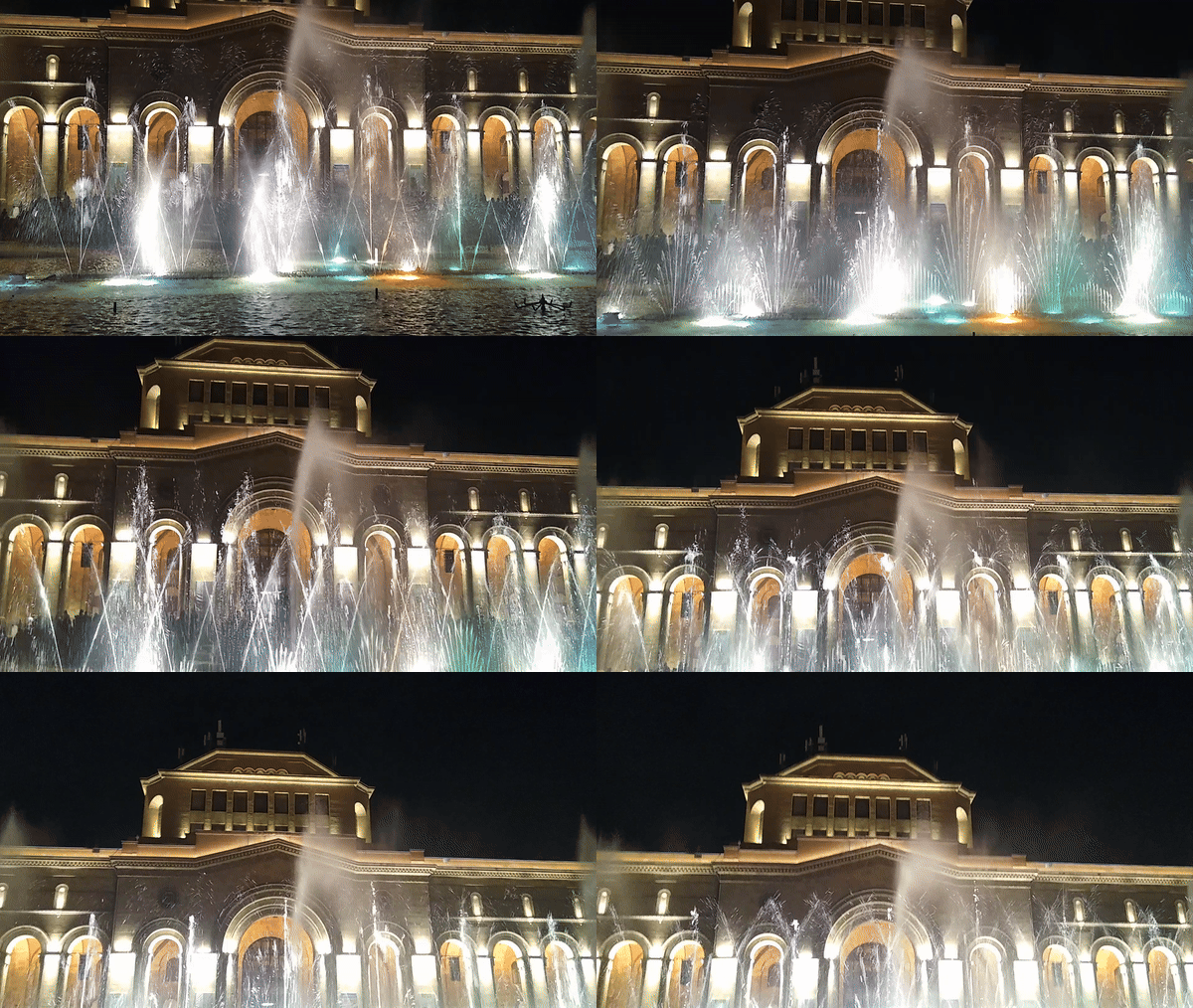
Yerevan may not be architecturally spectacular but the grand buildings surrounding Republic Square are well worth a look, not least because here you will find a huge dancing fountain show. I recommend at least one visit to Tavern Yerevan for the local dishes and loud performances by Armenian singers and musicians.
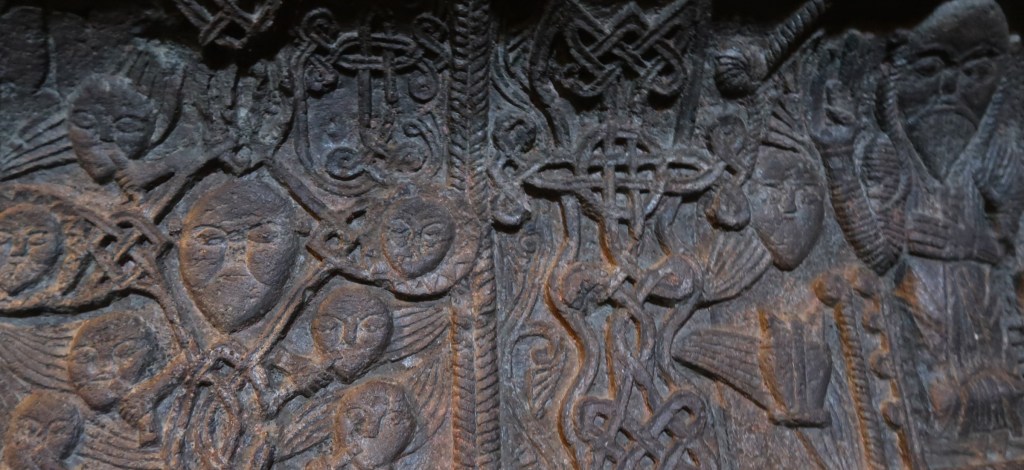
Back on the road the next day for an early visit to Sevanavank Monastery, set on a small hill above 5,000 km2 Lake Sevan. Once on an island the 1,150-year-old monastery found itself on a peninsula when the Soviets began draining the lake in the 1930s (intervention since then has seen water levels slowly recover). Our guide pointed out a khachkar in Surp Arakelots Church which has etched into it the face of someone from Central Asia. The theory is that this was done to appease Mongol invaders in the 1200s.
There’s a scene in the movie Who Killed Roger Rabbit where the characters drive through a tunnel from Los Angeles to Toontown, the scene changing from real life to animation as they emerge. Driving through the Dilijan-Sevan Tunnel felt similar to this, entering in a somewhat arid and treeless landscape and emerging into the lush, hilly environs of Tavush province.
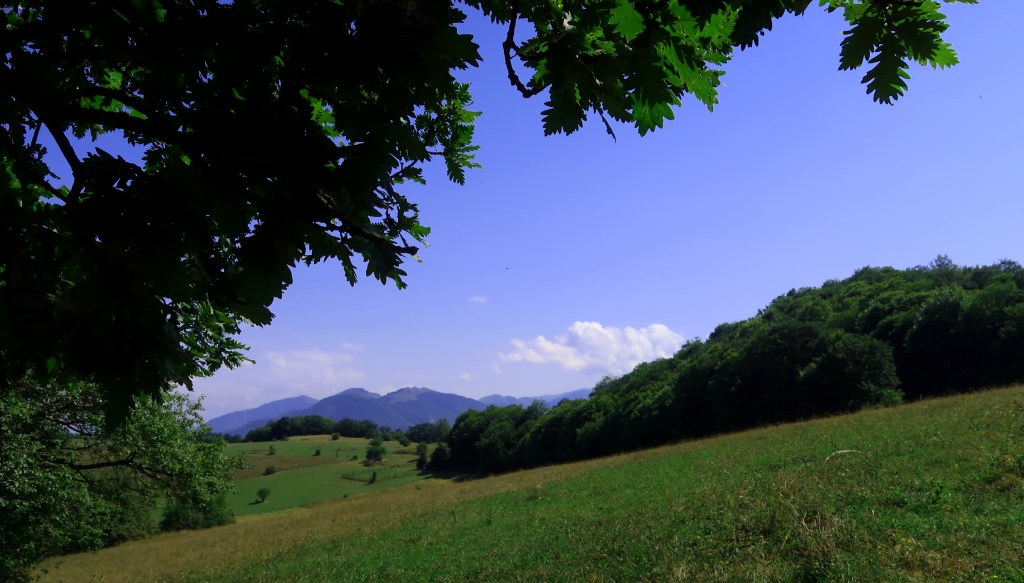
Arriving at Lake Parz we were met with the soft swish of breeze in boughs and a very small attempt at a holiday park on the side of the tree-lined lake. Having learned that we’re fast walkers our knowledgeable guide set off at speed along a well-marked trail, a small part of the impressive Trans-Caucasian Trail which runs for about 3,000km through parts of Armenia, Azerbaijan and Georgia. This section of trail is in the Dilijan National Park and rises through forests, over ridges and down to a village called Gosh.
After stopping to admire the 12th-century Goshavank monastery – which has been well-preserved over the years but not to the extent where signs of age have been hidden away – we lunched in “I can’t believe it’s not Switzerland” Dilijan town before zooming back through that tunnel and deep into rural Gegharkunik Province.
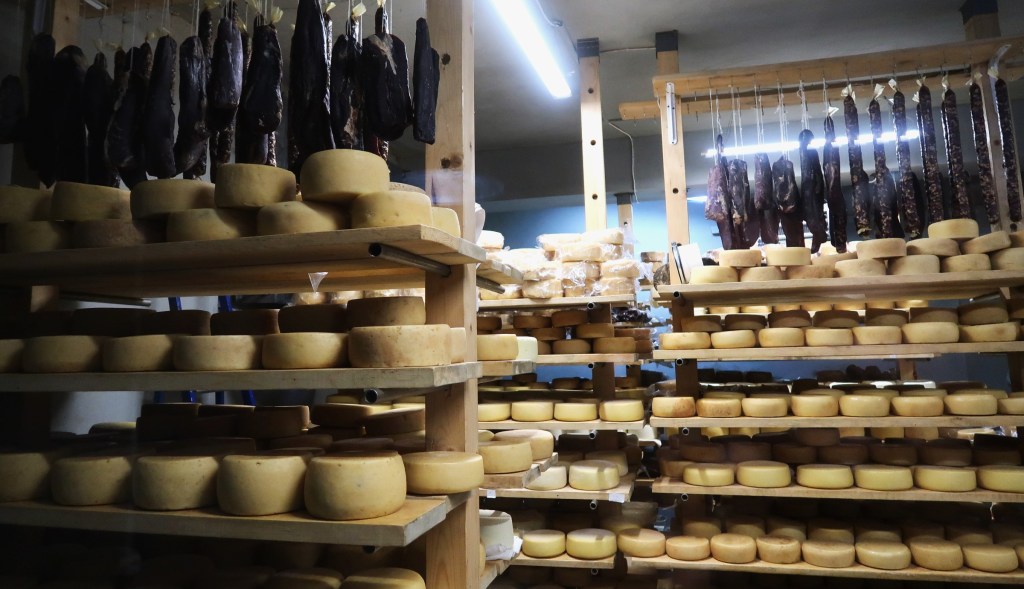
What better way to end a trip than with a cheese tasting, accompanied by more of that lovely Armenian wine? The Mikayelyan Family Farm was set up in 2012 b an ex-Ministry of Finance employee and a biologist. Together they invested in a creamery set underground and eventually, with a co-operative of other local families – amassed a dairy herd of 40 cows. That underground facility feels like a modern concrete bunker, it’s a necessary piece of architecture to produce and preserve the fine cheeses and meats they make here.
After an entertaining talk about the farm’s cheeses and cheesemaking process we were led back out into the sunlight and into a covered area where we sampled several different cheeses, all of them delicious but my favourite being something very similar to a parmesan.
Thanks to our highly skilled guide and driver we had managed to see so much of this incredible country in just two very full days. Now, though, it was time to return to Georgia, a five hour drive which took much longer because we hired a driver so that we could stop off and see yet more monasteries.
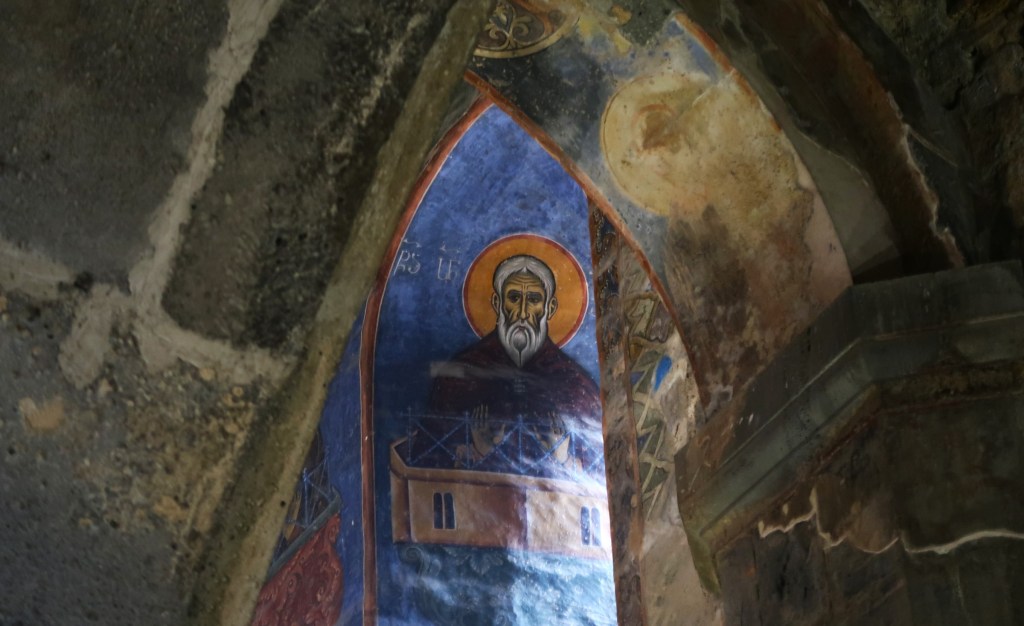
UNESCO has been very busy in Armenia judging by all of the listed sites here. One of the most famous is the Haghpat Monastery complex, built between the 10th and 13th centuries and containing several of those dark grey stone structures. The Cathedral of Surb Nshan is the highlight here. Constructed some time around 970 it has a wealth of recesses, carvings and frescoes.
Along the road to Georgia we also stopped at Odzun Church, an astonishing 1,300 years old. It’s a very peaceful place and we didn’t see a single other tourist. Akthala Monastery was far busier, perhaps because it had such a dramatic setting on top of some very high cliffs. No wonder it doubled as a fortress, albeit one not strong enough to old back Timur’s forces who’d maurauded here all the way from Uzbekistan.
Few countries have surpassed my expectations as much as Armenia did. It’s such an easy country to get around (if you have a driver) and, for a country listed at #138 in size, packs in such a massively diverse range of scenery, such a long and rich history, and such a wealth of culture. I would very much like to return one day.
Getting to Armenia
🏨
We stayed at the Republica Hotel in Yerevan which I can recommend for its comfort and great location.
🚌
Marshrutkas (public minivans) depart for Yerevan throughout the day from outside Tbilisi train station. They will depart when full.
🚆
There’s a night train which departs Tbilisi at 22:45 in summer, arriving into Yerevan at 08:59 . Be aware that you’ll stop at the border for a few hours in the middle of the night. Click the button for more details on the excellent Wander-Lush site.

Sadly there aren’t yet any direct flight links between Armenia and the English speaking world, but plenty of connections via other cities. Wizz Air is probably your cheapest option.
 A Plan To Go