
Vancouver is the starting point of this route, convenient for its international airport where 42 airlines fly to 121 destinations worldwide. The city’s coastal location is its main asset and I warded off jetlag with a sunny evening walk along the seawall to Stanley Park. The harbour has been cleaned up since I was last here 17 years ago and I was glad to see a seal frolicking in the shallows. Gastown – Vancouver’s historic heart – also feels buzzier than it did before.
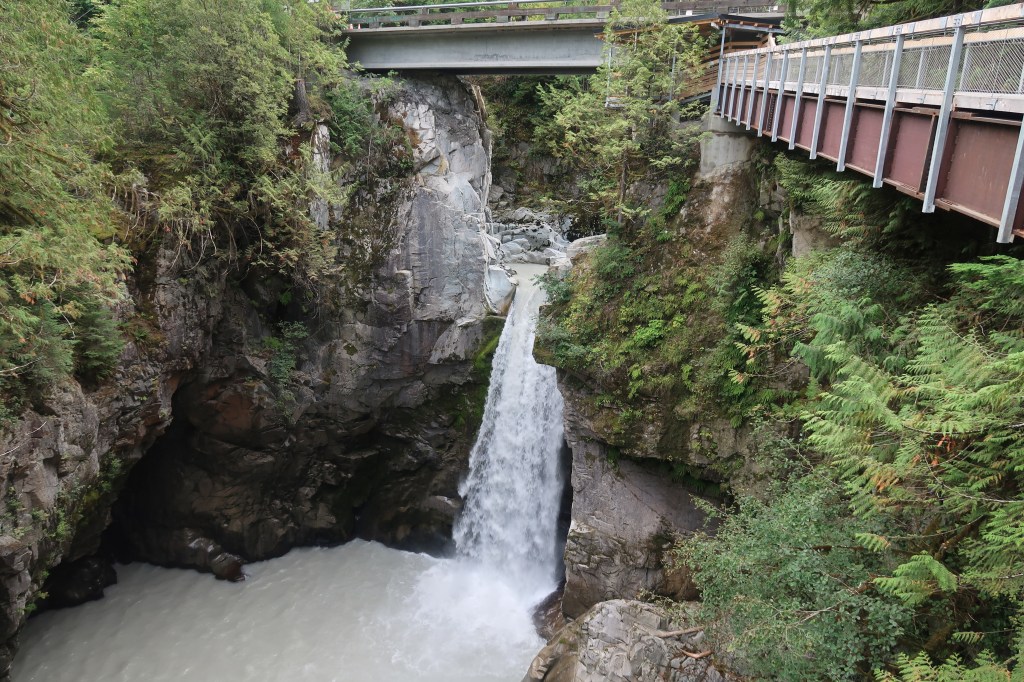
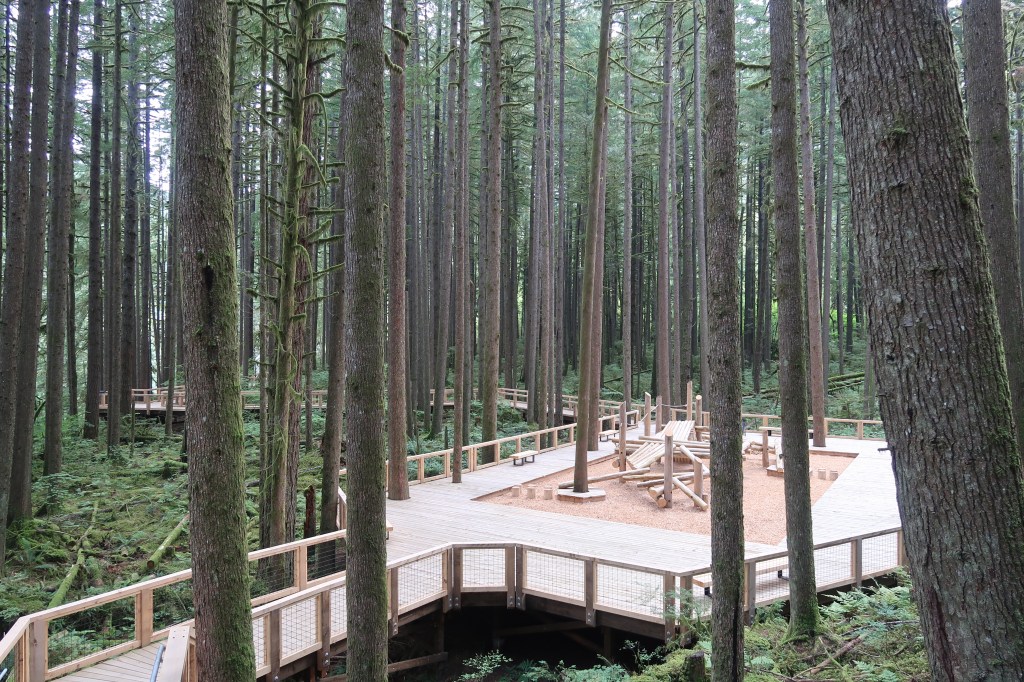
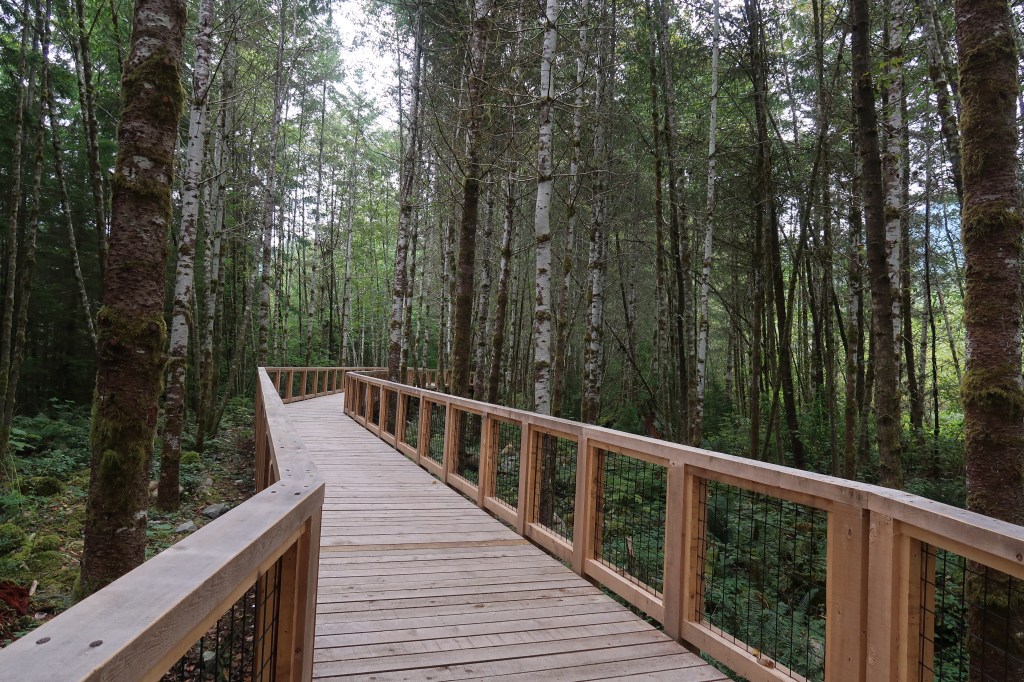
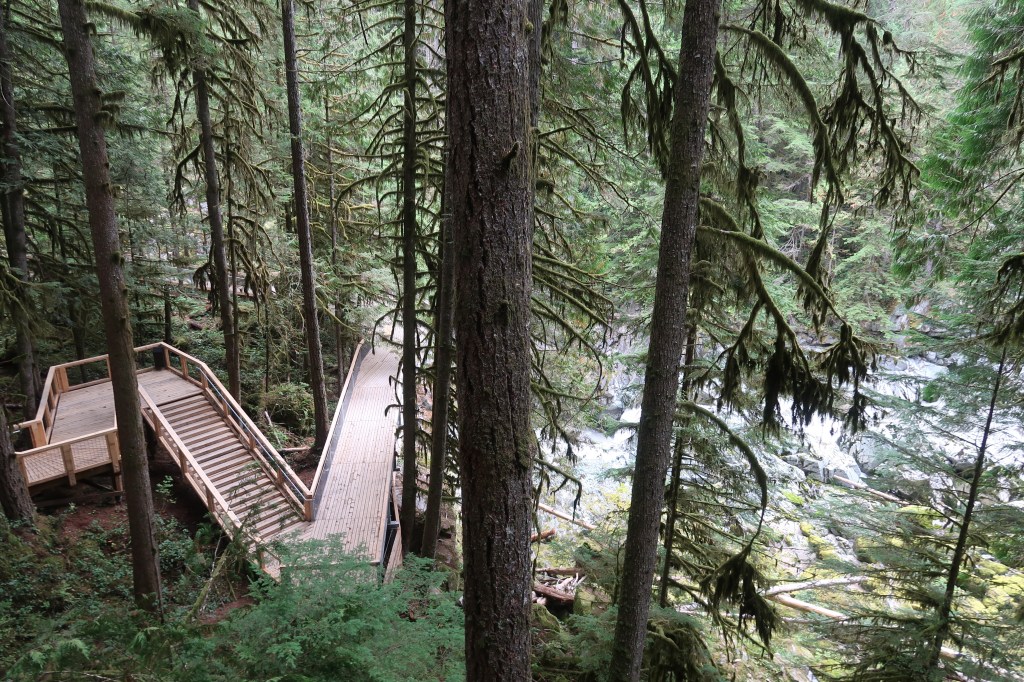
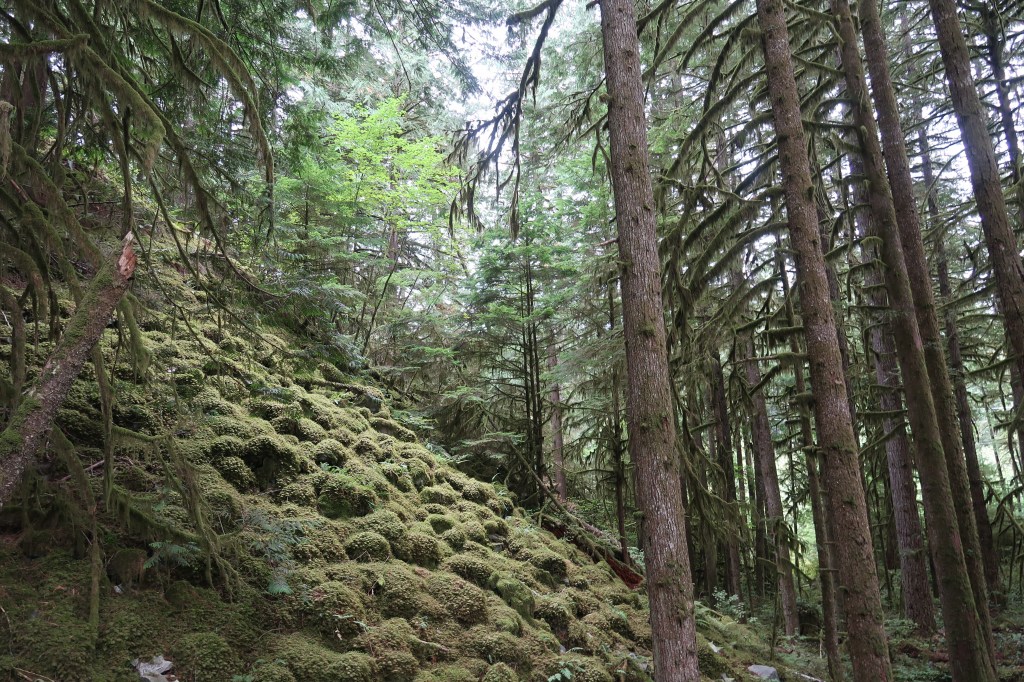
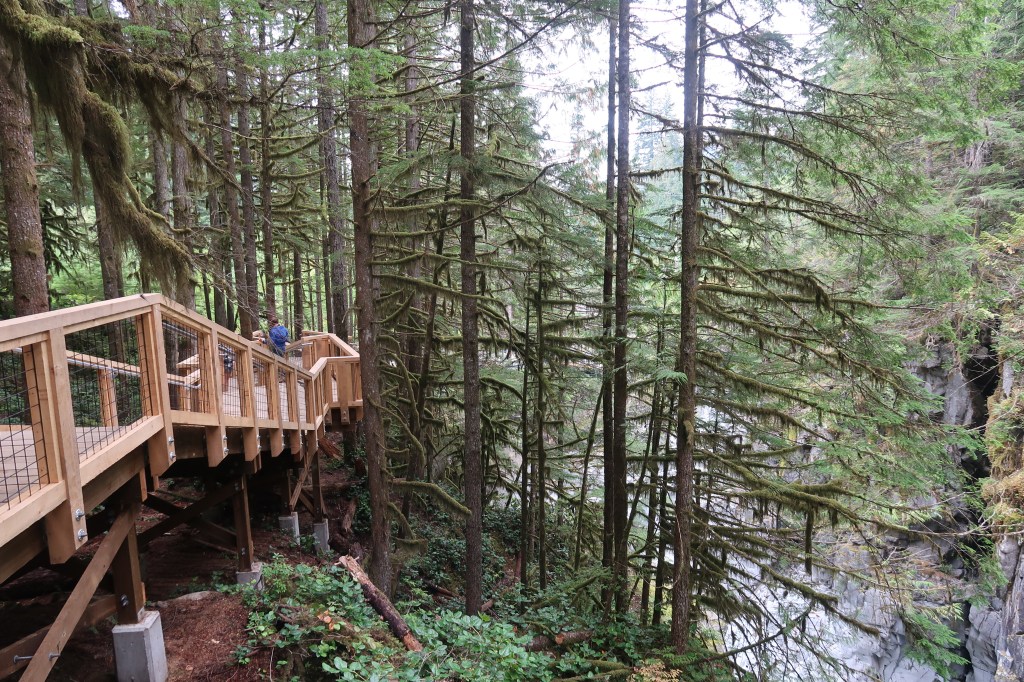
In British Columbia the ‘road’ part of ‘road trip’ is so often a highlight, the Sea to Sky Highway spectacularly proving this point as it winds away from Vancouver, along cliffs above the islands of Howe Sound, past Sḵwx̱wú7mesh (Squamish) and the newly-installed boardwalks of Squamish Canyon. The Canyon is well worth a stop and the $44 entry will feel like a bargain as you walk along the elevated wooden path that weaves through second-growth forest (that would otherwise have been used for logging) all the way to dramatic Mamquam Falls.

Having left the sea behind it felt like we were truly in the sky when we reached Whistler, which sits at 670m and is surrounded by the Coast Mountains. I like this town, a lot. It ticks my boxes of: cute pedestrianised centre ✔️, scenic walks directly from town ✔️, and; easy access to the mountains ✔️. After enjoying quite possibly the best croque madame I’m ever likely to have at Lorette Brasserie I was ready for the walk through the forest to Lost Lake. OK, so this is an easy walk that didn’t justify the size of the breakfast, and the trails are well-marked and easy to follow. They mostly lead to the lake, which is a relatively warm body of water (well it was in mid-September, anyway) where people could swim and sunbathe surrounded by trees and mountains.
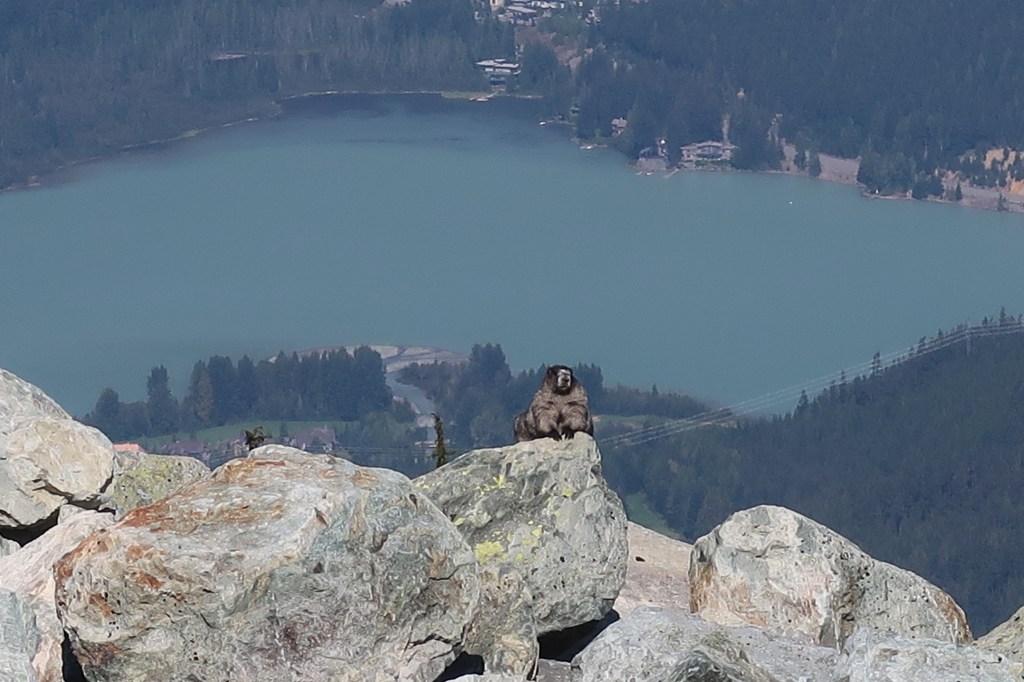
I was itching to get into those mountains, an itch that was easily scratched thanks to the conveniently-located Blackcomb gondola which whisked me (and, in winter, thousands of lucky skiers) up above Big Easy Terrain Park where we saw some plump marmots and learned that Whistler is named after the sound these squeaky creatures make. Next: the world’s longest unsupported gondola span. The PEAK 2 PEAK gondola is engineering at its most thrilling and allows for 11 minutes of peaceful and lofty contemplation of the dramatic landscape.
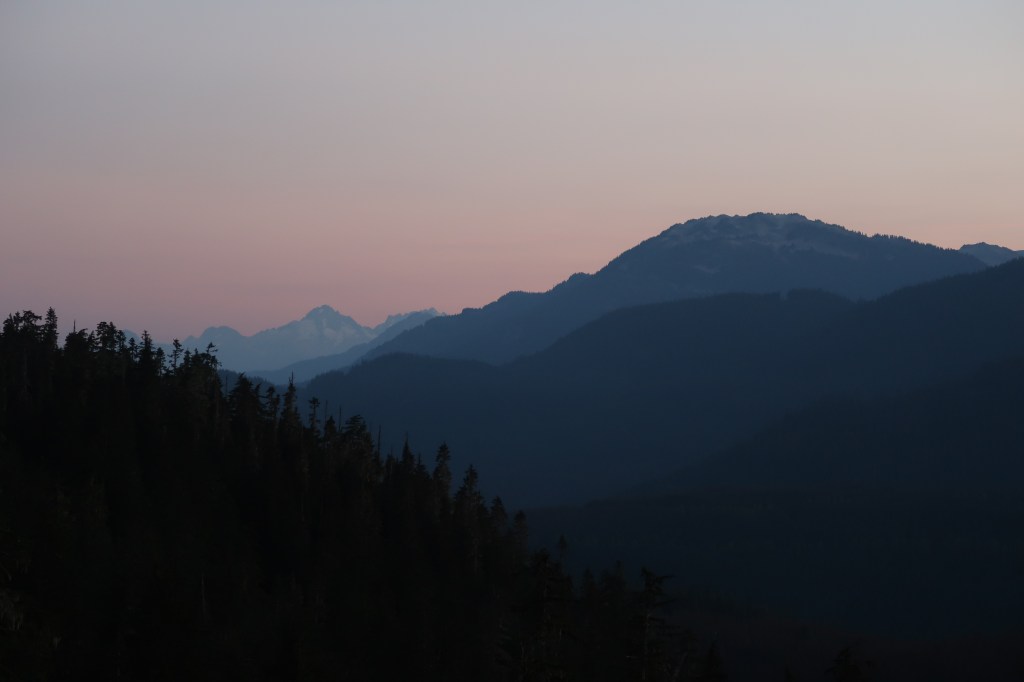

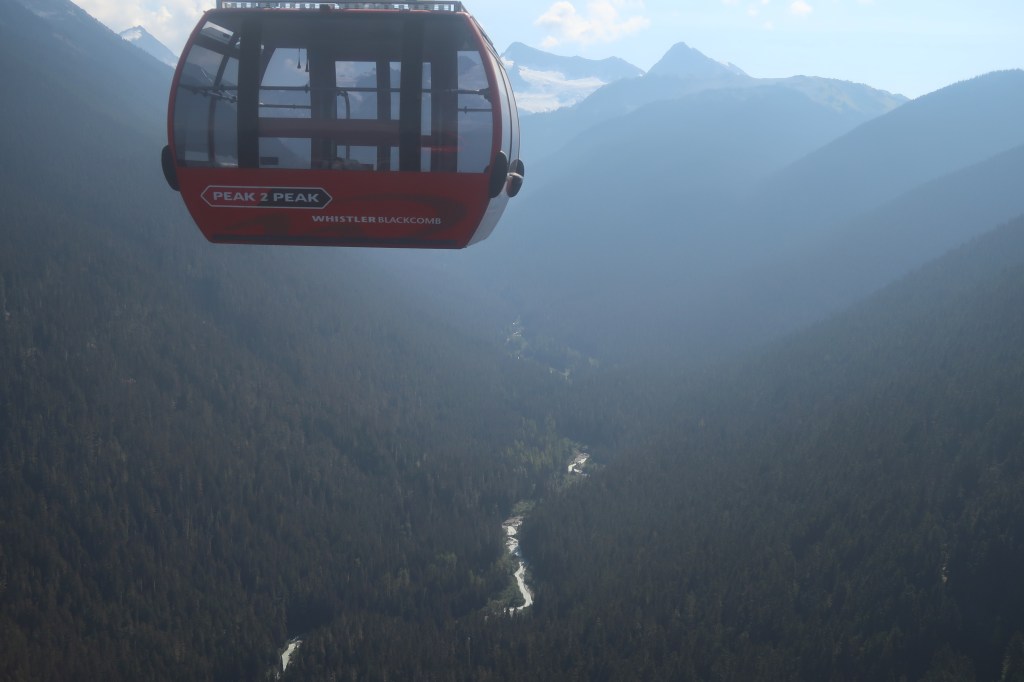
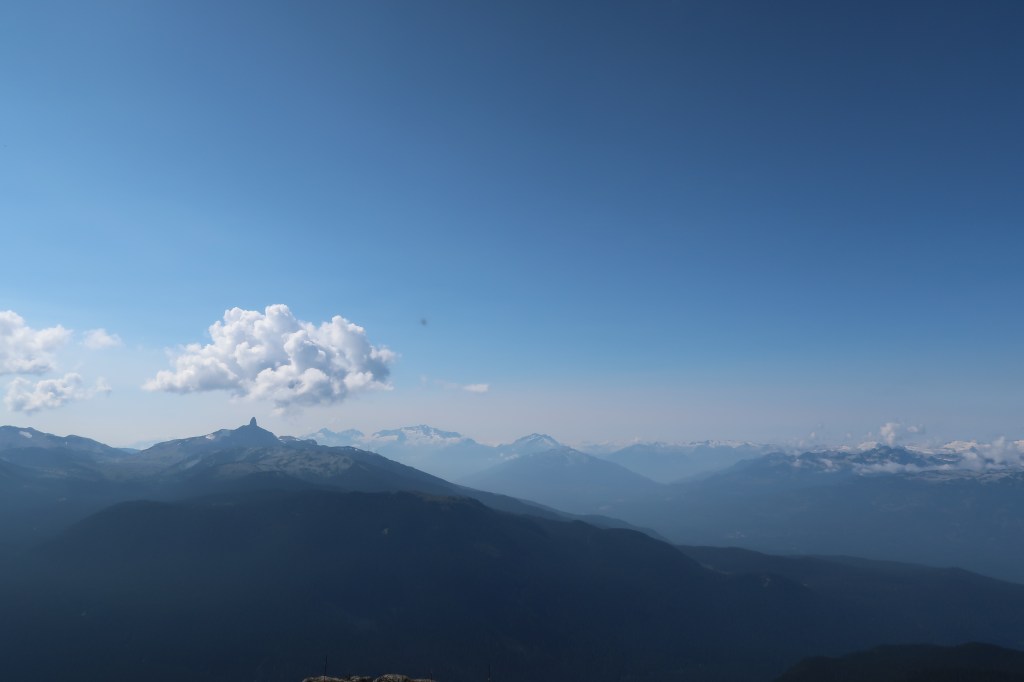
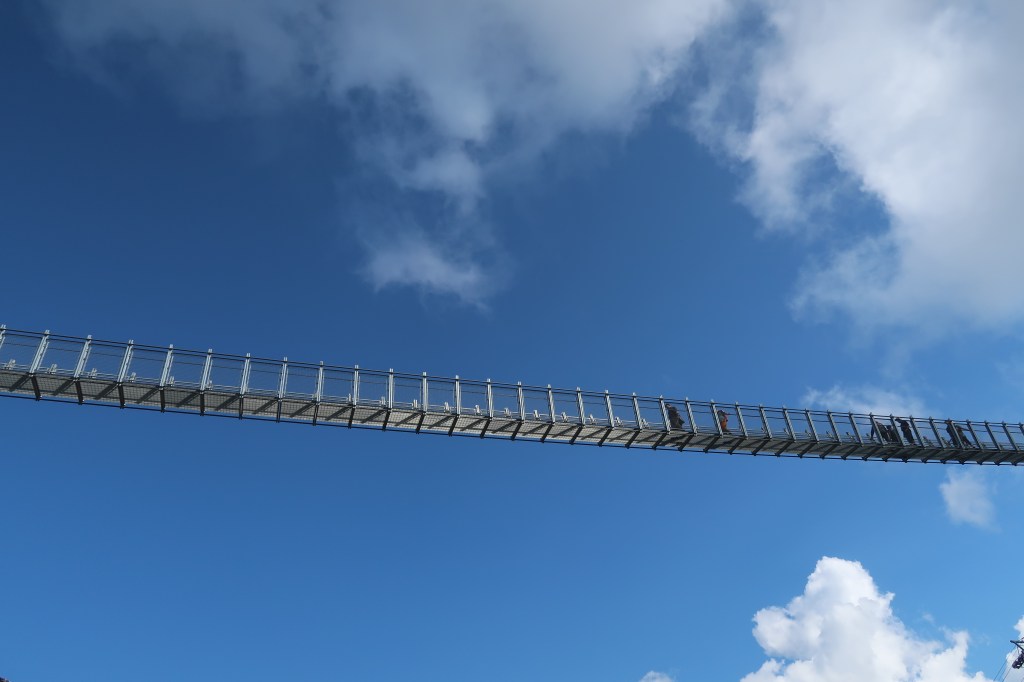
Those contemplations were about to get even loftier for, after arriving on Whistler Mountain, we boarded the Peak Express chairlift to the Cloudraker Skybridge, a wobbly suspension bridge that leads to Raven’s Eye Lookout. This walkway juts out over a high cliff and has yet more incredible views.
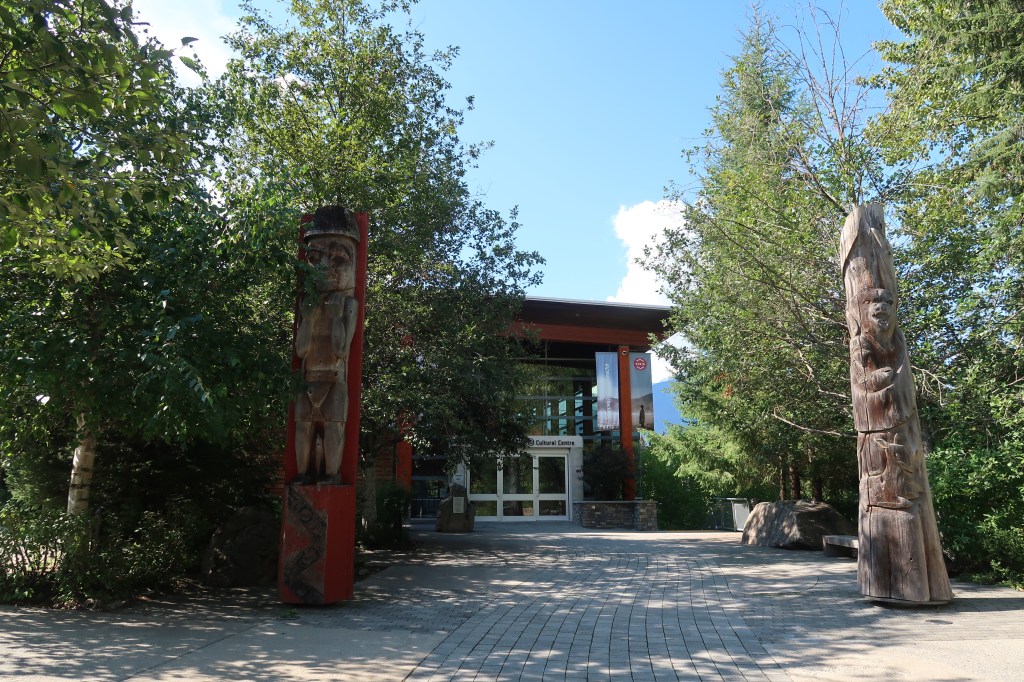
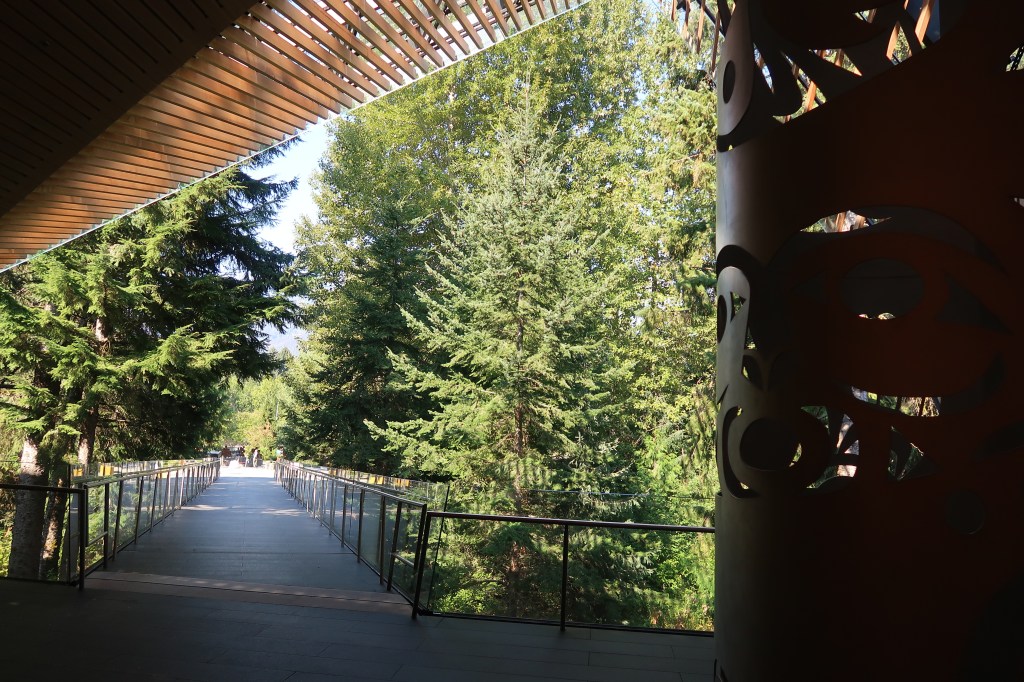
Over the road from my hotel the Squamish Lil’wat Cultural Centre shares the stories, cuisine, history and culture of the Sḵwx̱wú7mesh (Squamish) and Lil̓wat7úl (Lil’wat) nations who share the land on which Whistler is located. Admission is just $25 and includes guided tours, the centre’s Thunderbird Cafe serves up First Nations-inspired cuisine. I was deeply impressed by the range of exhibits, the simplicity of the information boards and the imaginative way in which the building was designed.
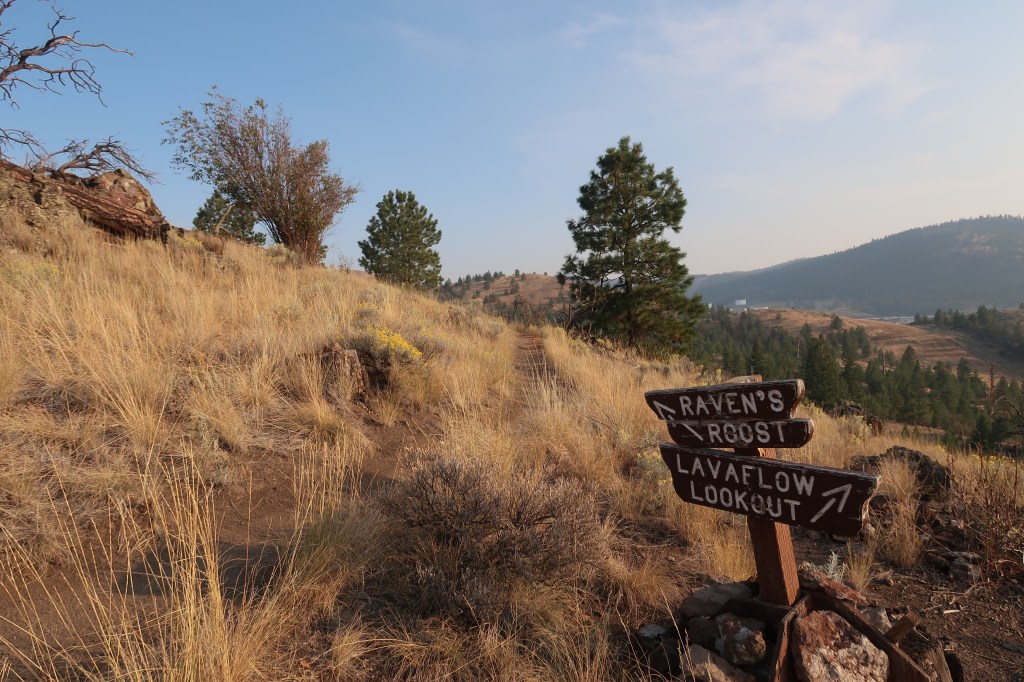
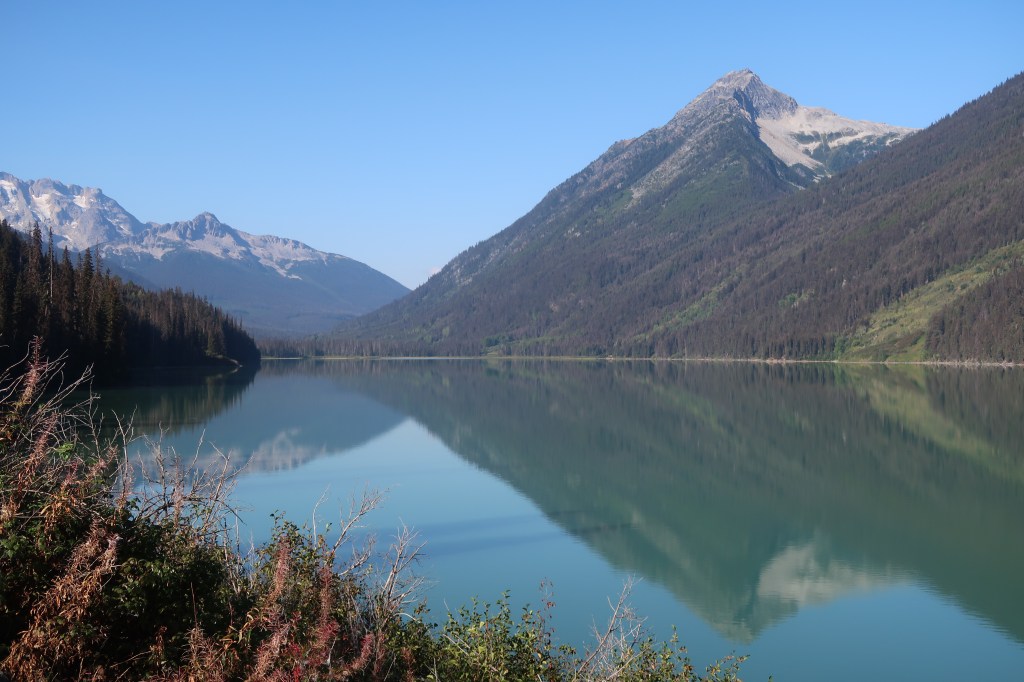

Just when I thought the roads here couldn’t get any more scenic we took to the Duffey Lake Road, which winds 129km from Whistler to Lilooet. Our Rainforest to Rockies route then well and truly left the rainforest behind when we dropped down from those Coastal Mountains and down into the arid Thompson Valley.
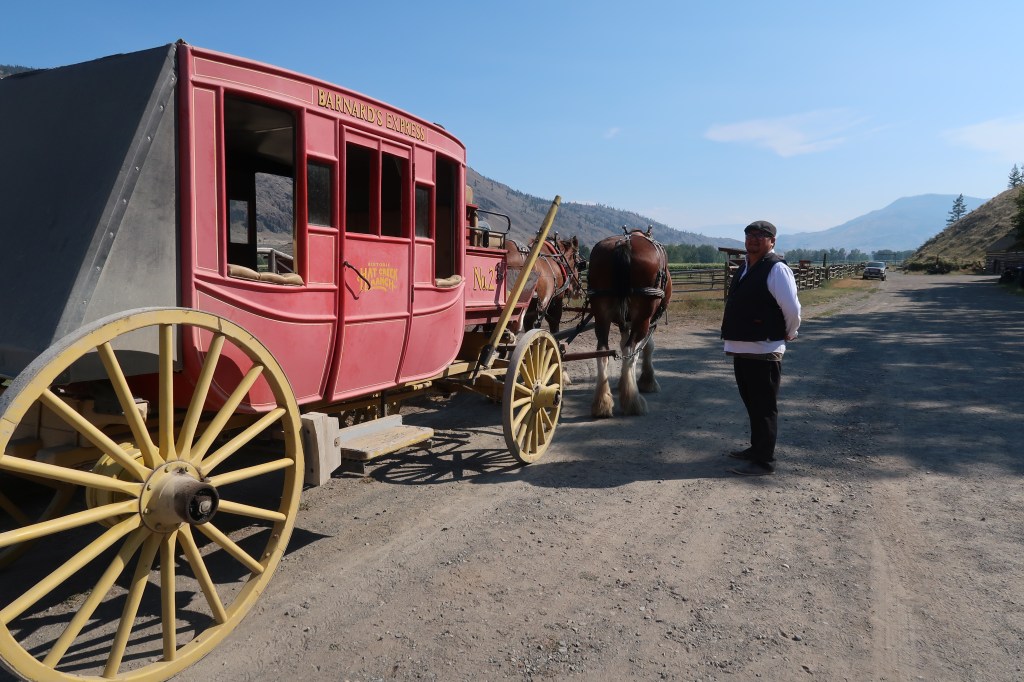
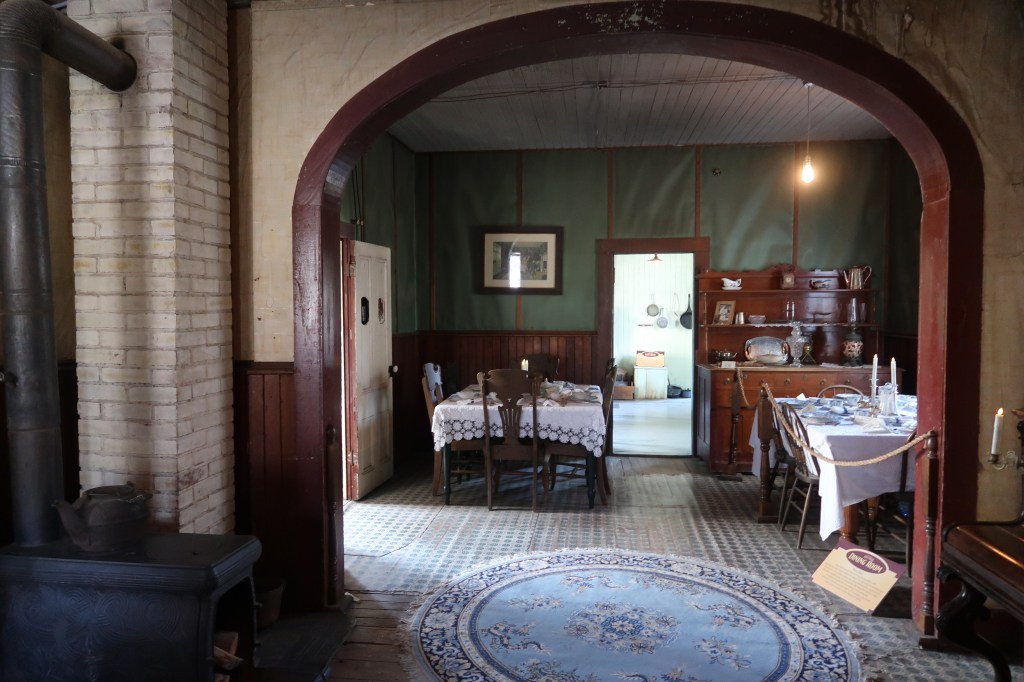
It took travellers 10 days to travel the length of the Cariboo Road during the 1800s Gold Rush, we got to Hat Creek Ranch in just a few hours. The historic buildings here once accommodated those weary and hopeful travellers, considering some date back to 1860 they’re in such good condition that you can still see the original wallpaper. Here, too, is an Indigenous Interpretation Site (complete with a pit house) as well as an excellent value restaurant.
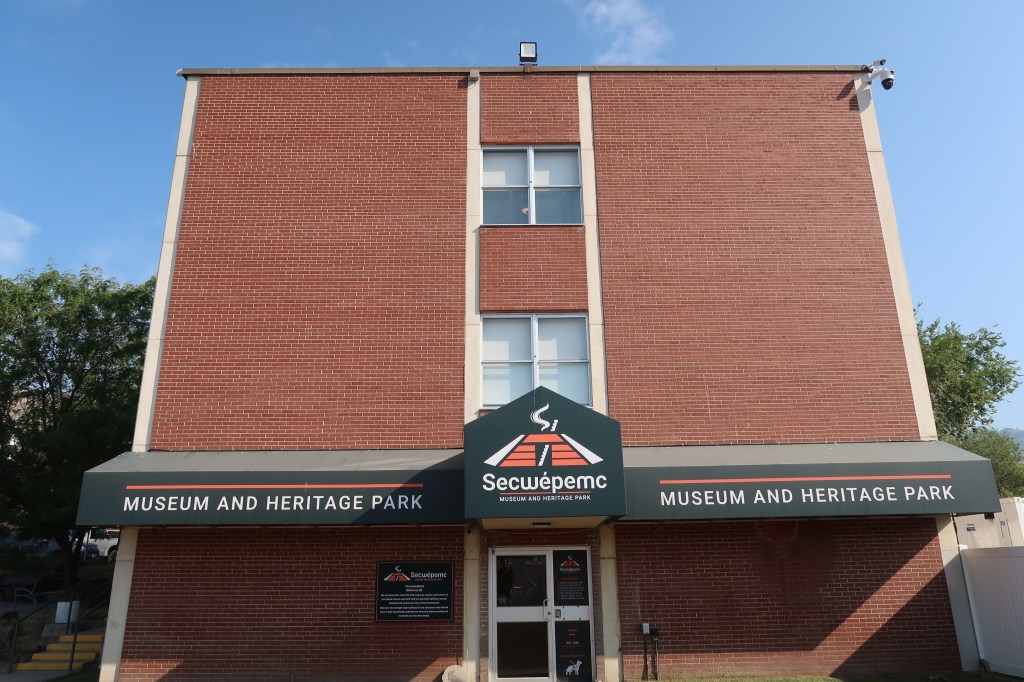
On to Kamloops, a popular stop on the famous Rocky Mountaineer rail route. Within the Kamloops city limits Kenna Cartwright Park is a vast hilly area of hiking and biking trails with long views over the city and Thompson river. In the other direction the Privato Vineyard and Winery provides the more sedate experience of wine tasting amid long ribbons of vines. A far more sobering experience was seeing the former Kamloops Indian residential school on Tk’emlúps te Secwépemc First Nation territory. Here, too, is the Secwépemc Museum showcasing the history of this First Nations people. If you can I recommend arranging for a guide to show you around the exhibits.
A 90-minute drive north along BC-5 will bring you to Clearwater. The fur trtade brought settlers to this Chilcotin territory, when the railway arrived in 1914 it was mining and logging which brough prosperity and growth. There’s been a steady growth in the population (to just under 2,500 people) but because this is a sprawling town it seems as though the wilderness is right there with you. To actually get into the wilderness isn’t that difficult, with the entrance to Wells Gray Provincial Park just minutes away.
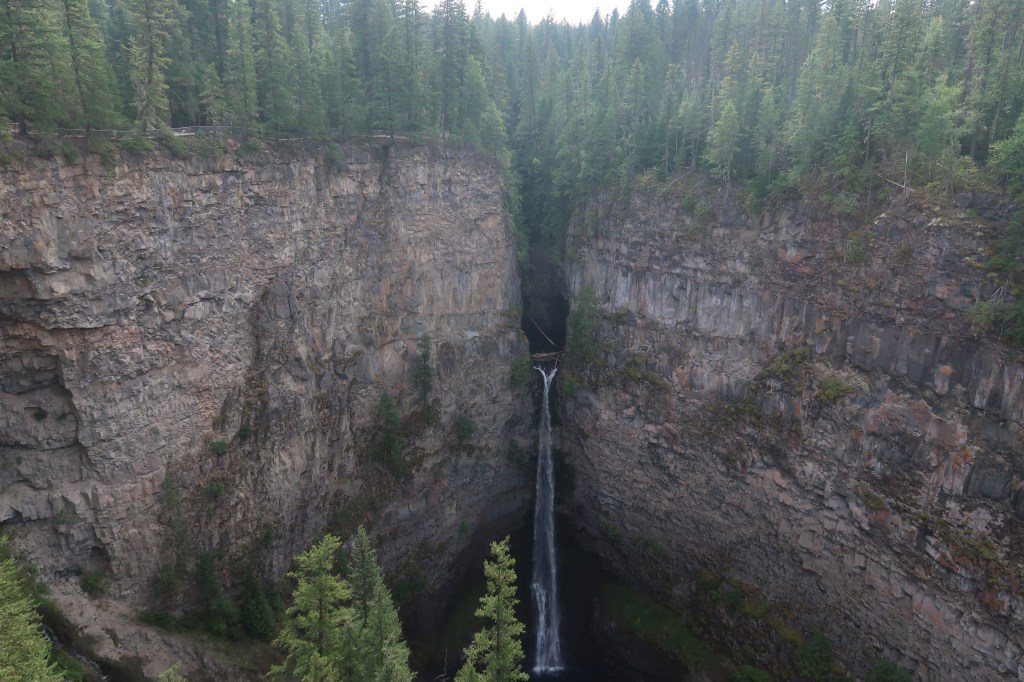
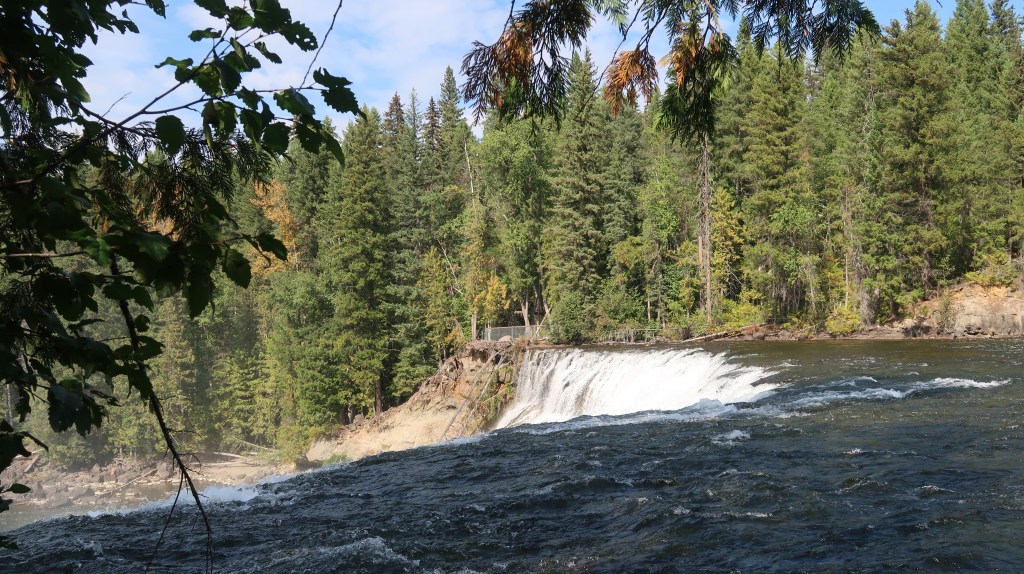
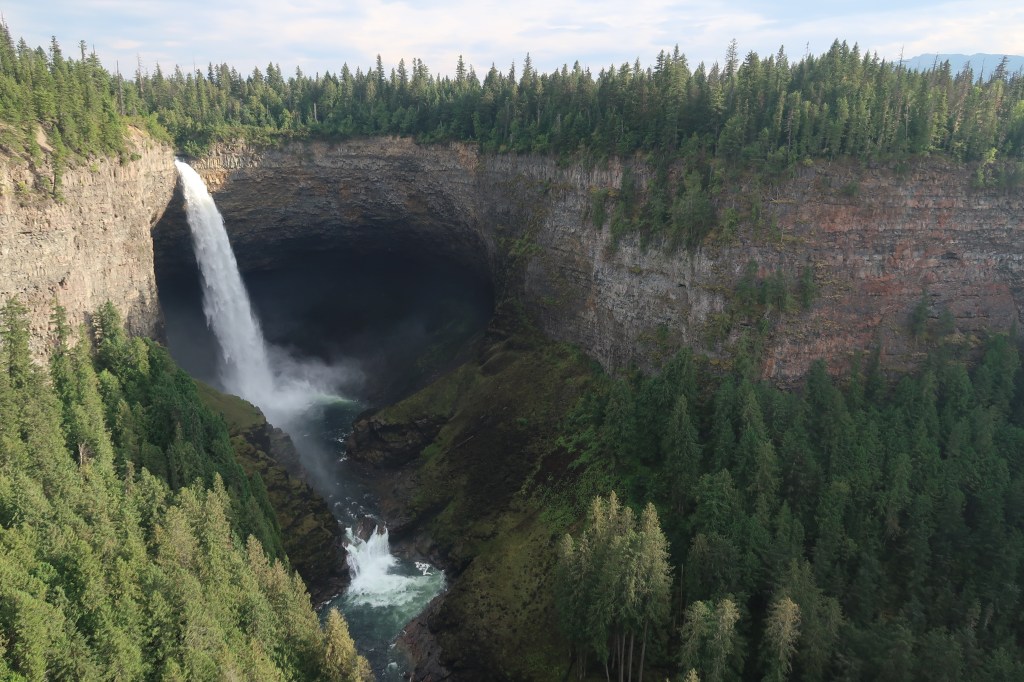
There’s a rich choice of waterfalls in this park, from the wide Dawson Falls to the immense Helmcken Falls. The latter are the fourth highest falls in Canada, tumbling 141 metres into a steep-sided canyon which is topped with green forests. Viewing platforms help visitors stand in awe at these watery wonders and the excellent BC Backcountry Adventures help more intrepid visitors go deeper into the wild.
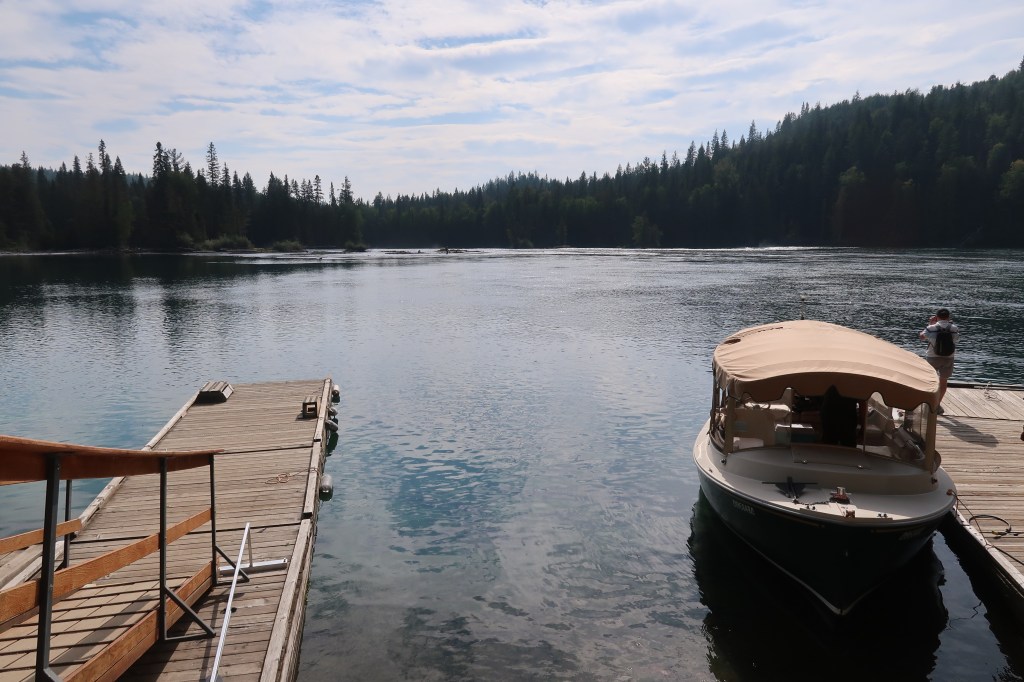
More watery joys await, further down the road (which becomes an unpaved tracks) into Wells Gray. That track/road ends at Clearwater Lake where a large wood cabin houses the Osprey Cafe (named after nearby Osprey Falls) and the rental office of Clearwater Lake Tours. You can hire kayaks and canoes from them but I took an electric boat tour over over the appropriately-named lake.
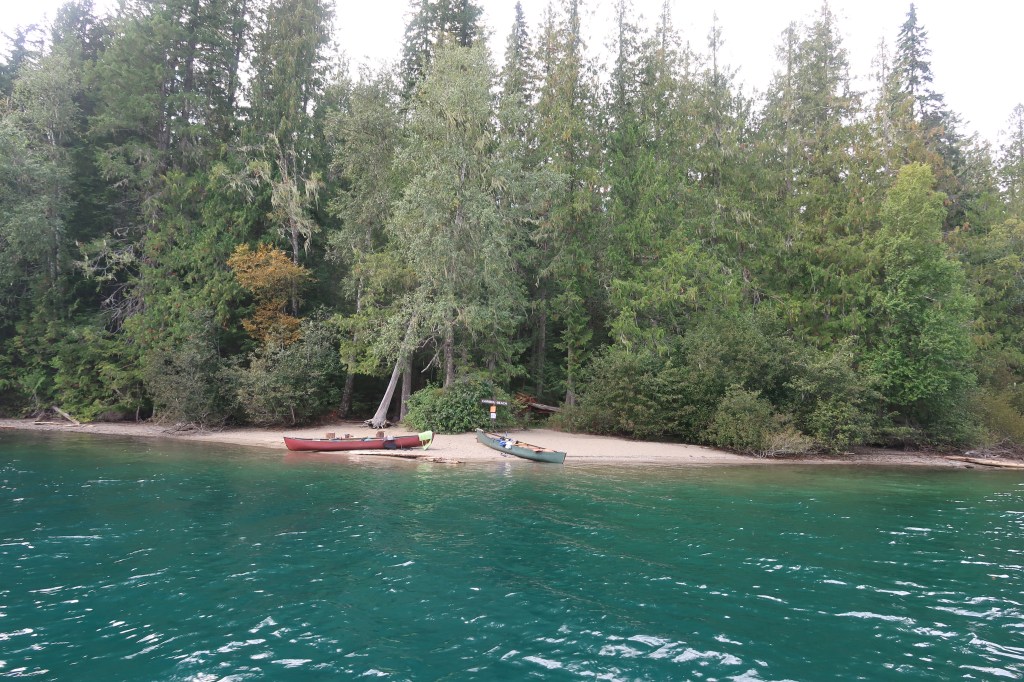
Serene doesn’t begin to describe Clearwater Lake and the individual beach campsites all around it. You’ll need a canoe or kayak to get to those sites, you can also portage your craft into Azure Lake for an even more remote camping experience.
I had to drag myself away from Wells Gray Provincial Park and the Monashee Mountains for the Rockies awaited. Not just any Rockies, either; the tallest mountain in the Rockies.
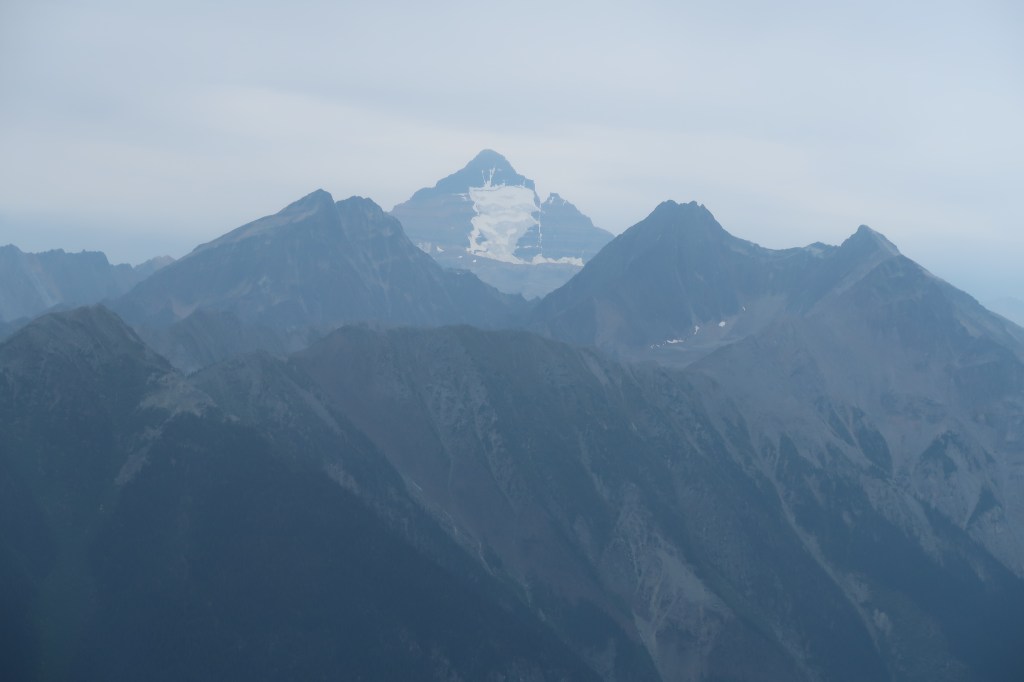
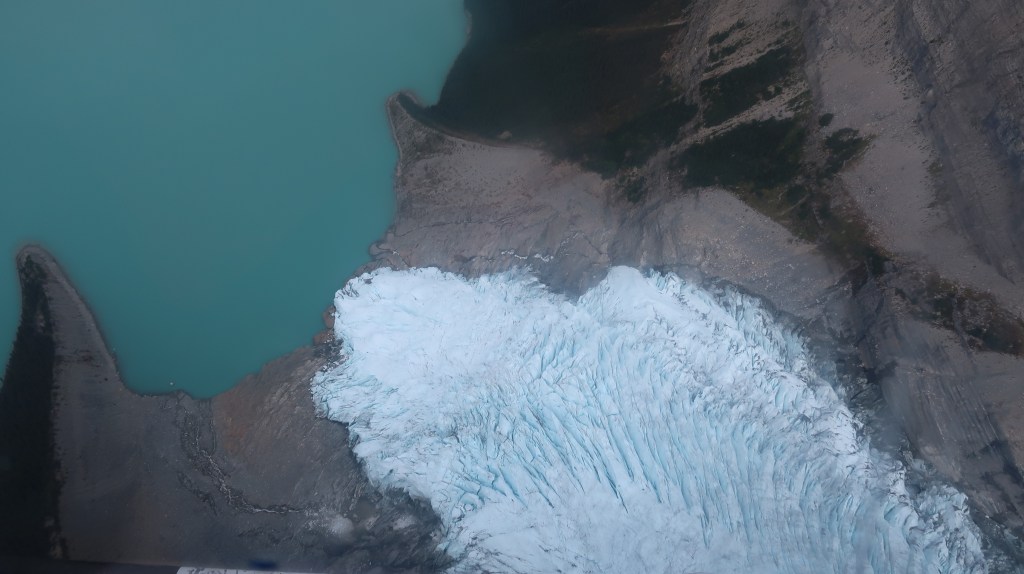
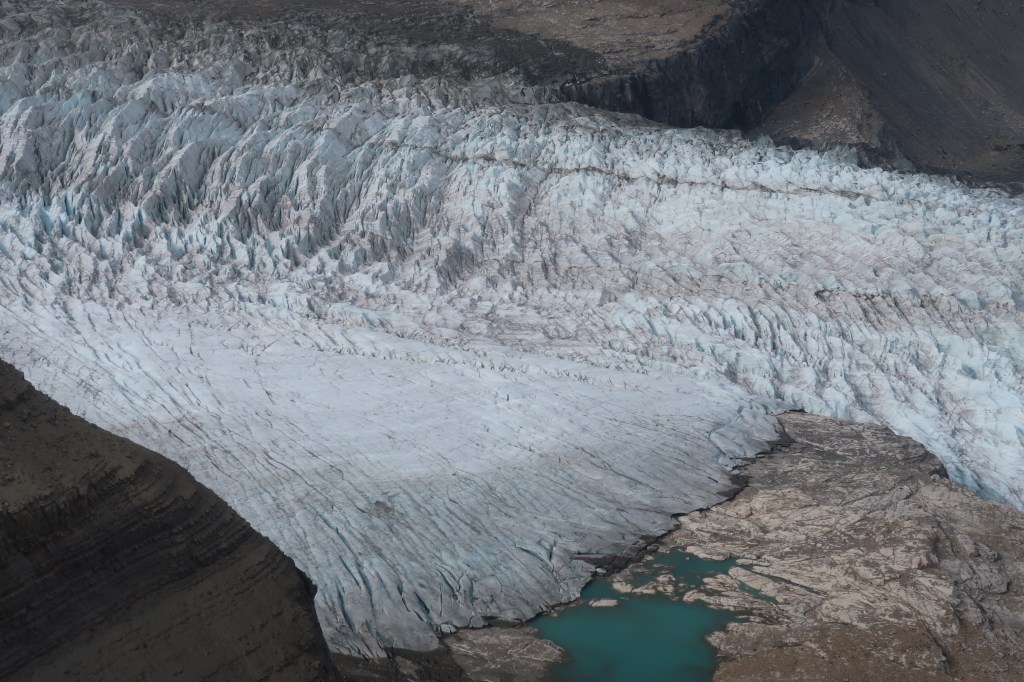
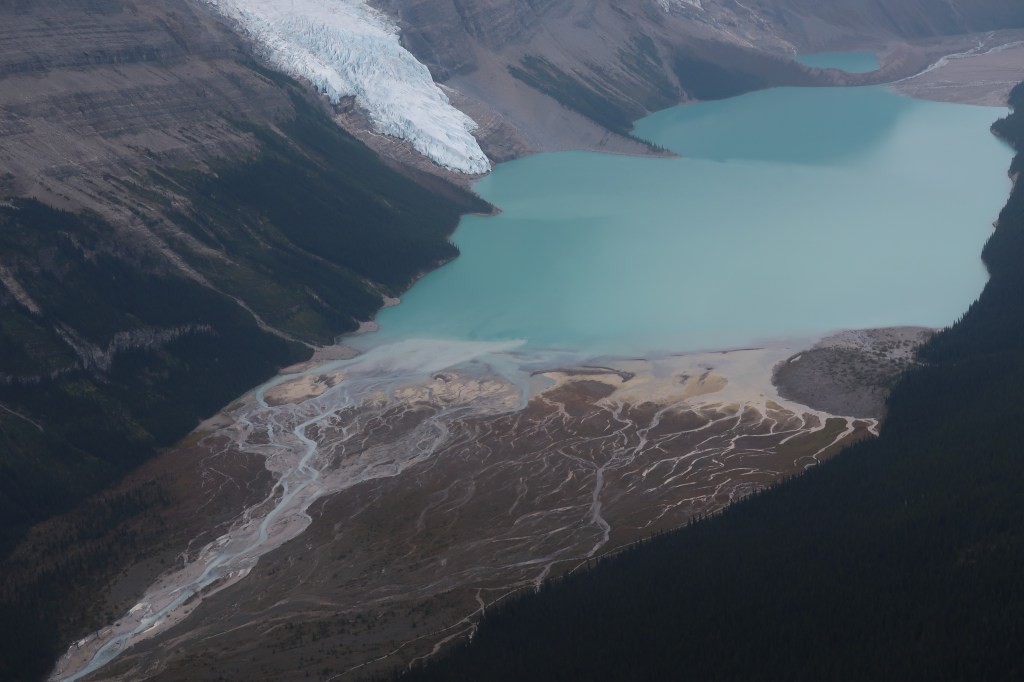
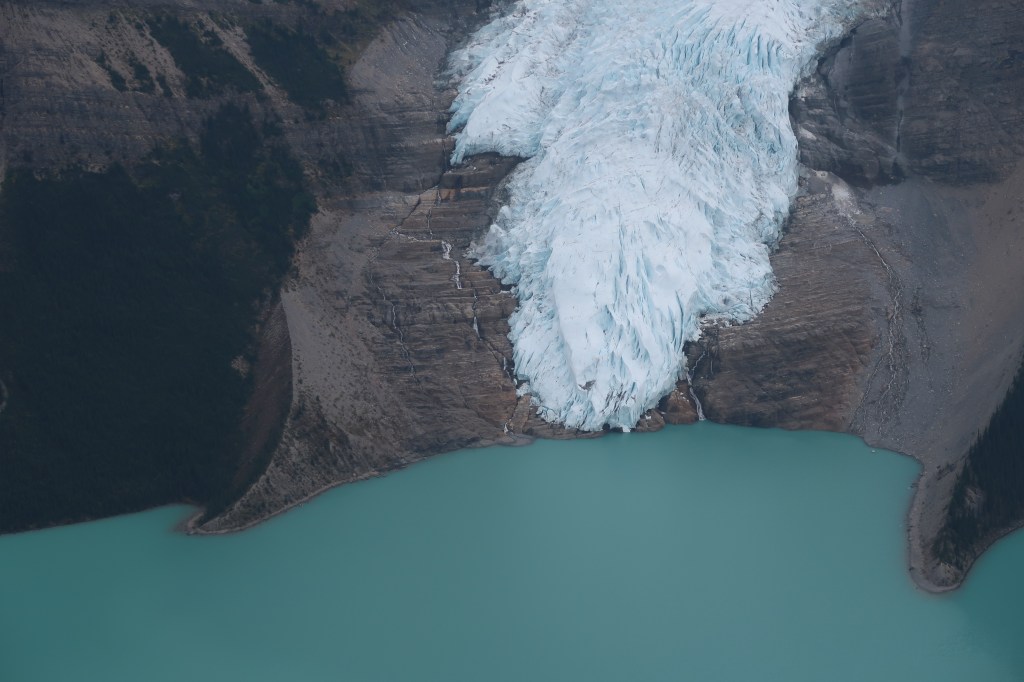
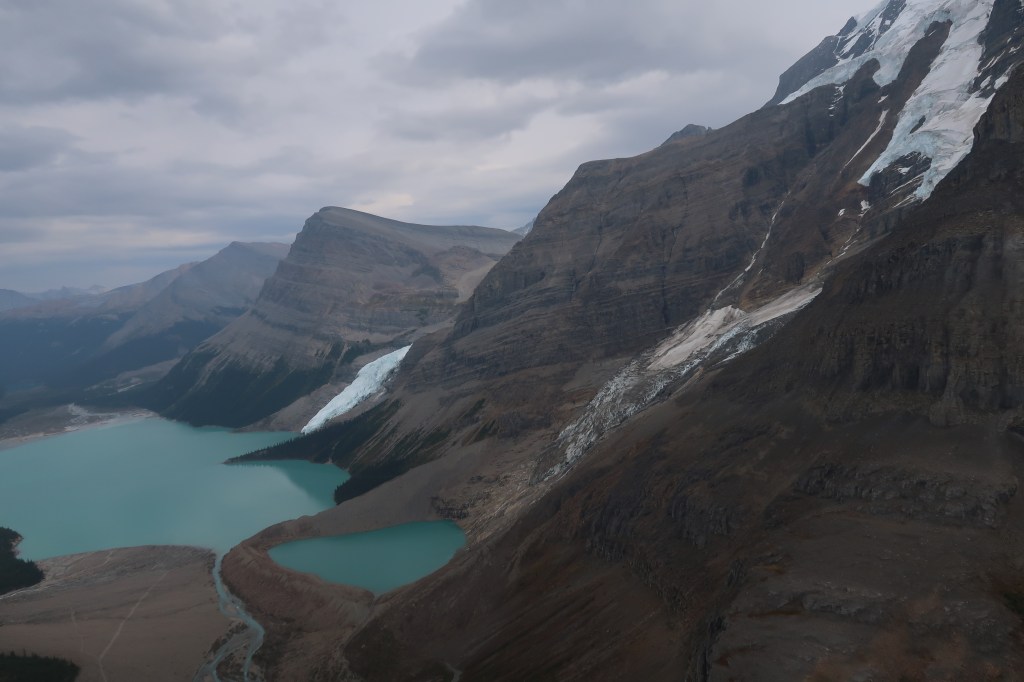
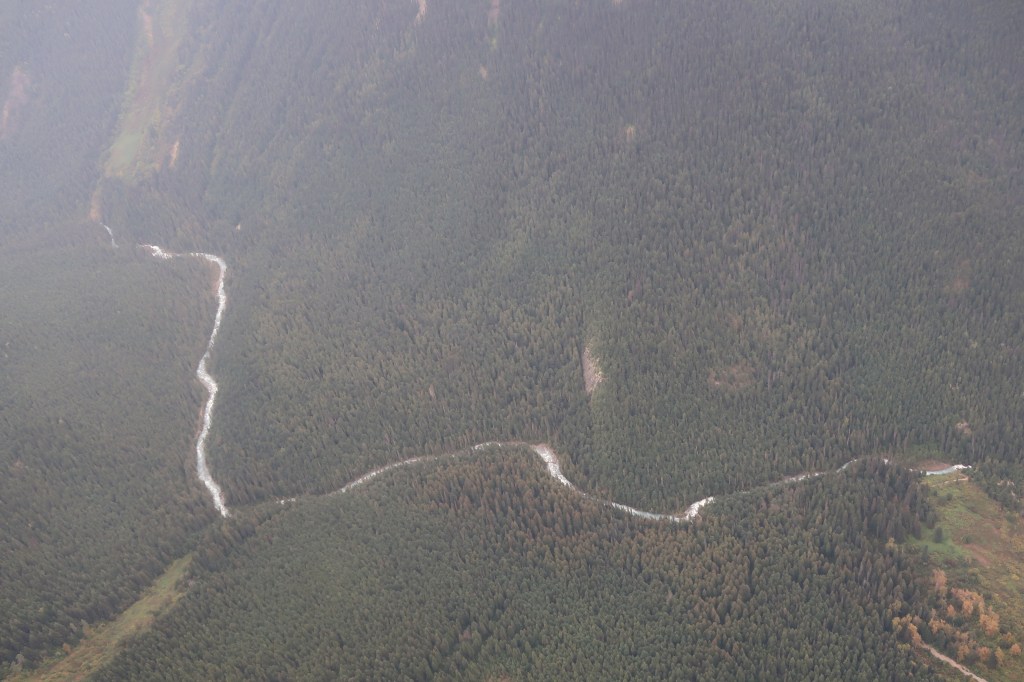
I’m not a climber and so it’s rare for me to see the top of a tall mountain. Thanks, though, to Robson Helimagic I was able to soar close to the top of 3,954m Mount Robson on a flightseeing tour that was 45 minutes of sheer awesomeness. Even at the flying height of the helicopter the mountains in and around Mount Robson Provincial Park looked immense.
The highlight of this helicopter tour was being able to peer over – and int0 – long tongues of glaciers where blue ice appeared among the crevasses. Below the glaciers were large lakes and forests and the promise of some epic hikes. Yet another place I must return to.
My journey, though, would go beyond those mountains and in to Alberta. This Rainforest to Rockies route had ticked all of my many boxes when it comes to adventure, the great outdoors and a large dose of culture, too. There are few routes I’ve been on where the scenery is quite so consistently spectacular.
Where I stayed
Vancouver: Fairmont Waterfront
Whistler: Fairmont Chateau Whistler
Kamloops: Sandman Signature Kamloops Hotel
Clearwater: Quality Inn & Suites
 A Plan To Go