A Cairngorms hike

Description and pictures of a 3-day hike from Blair Atholl to Aviemore

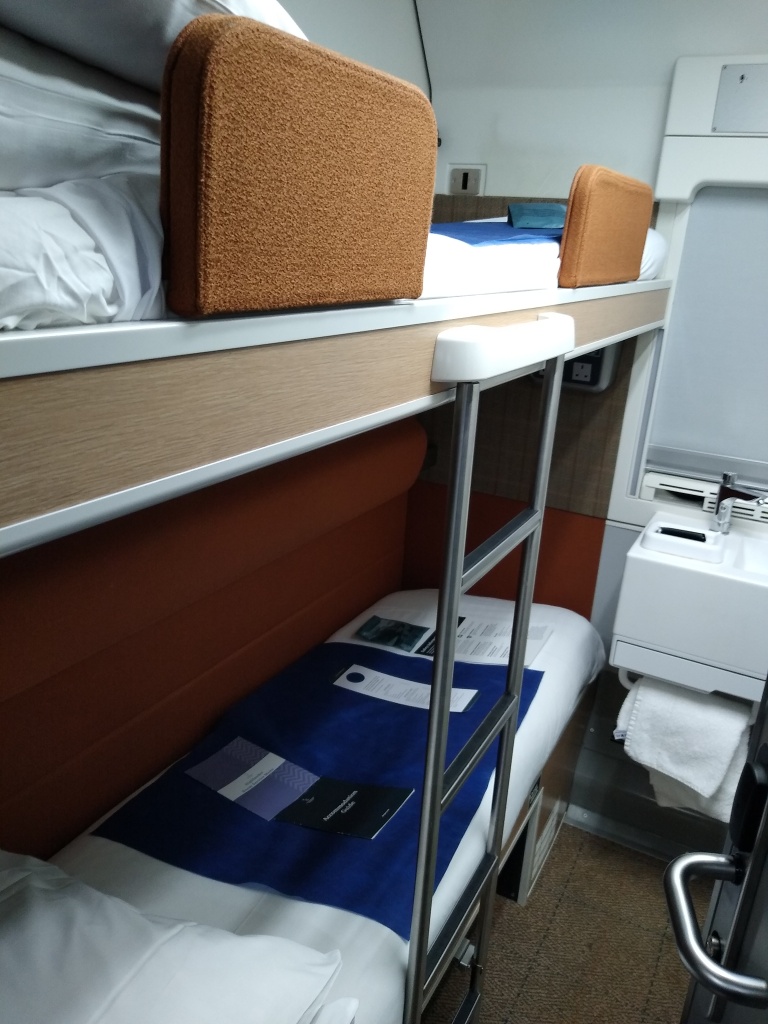
This 3-day hike through the heart of the Cairngorms began at Blair Atholl station, after a sleepless night on the overpriced Caledonian Sleeper train. On our backs was lightweight camping equipment (see review here), food, plenty to keep us warm, and a carrier for Bounty the dog, should his little legs get tired. Our target was Aviemore where, if we timed it right, we’d arrive before the sleeper train back to London.

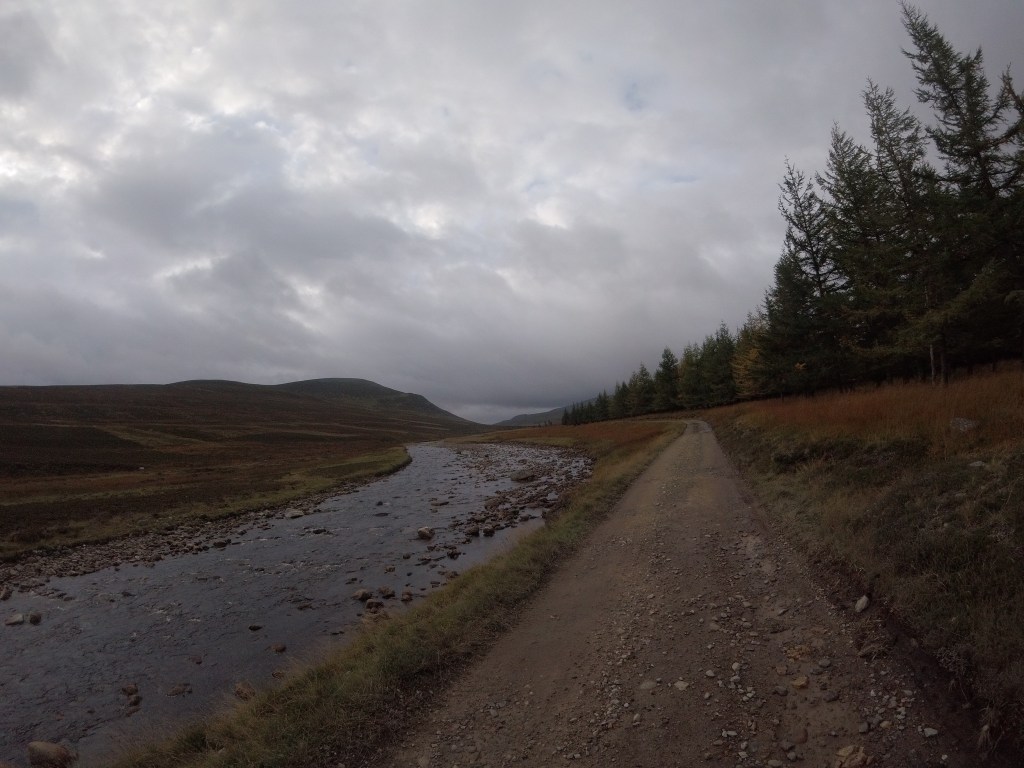
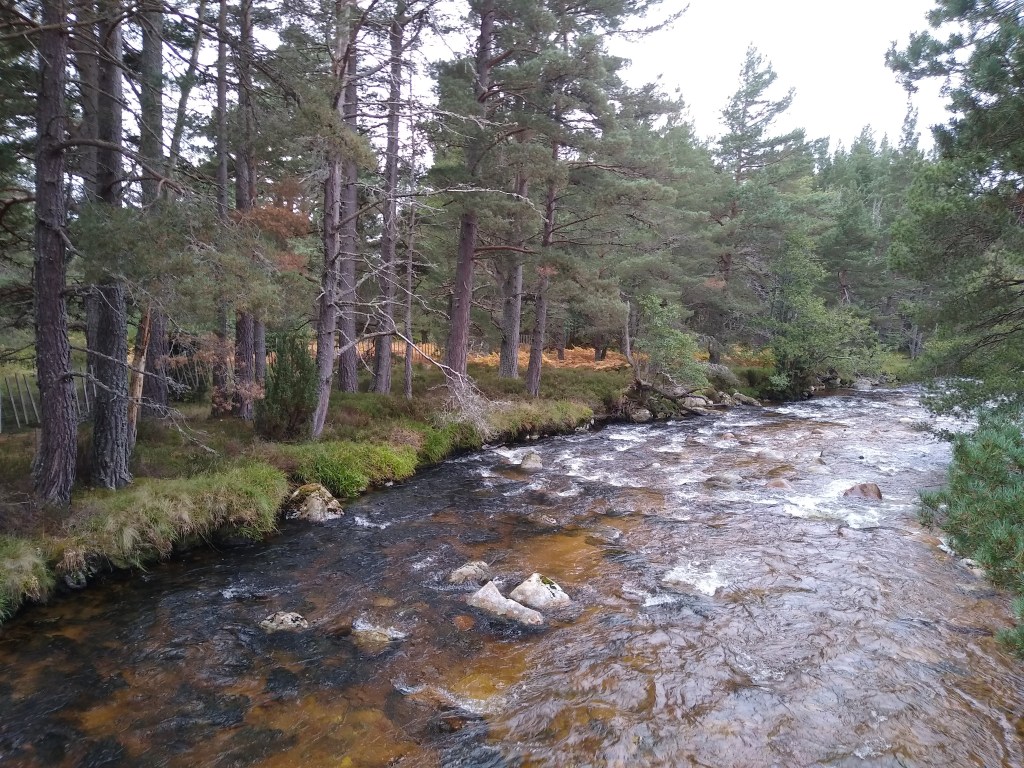
Arriving before dawn, we donned headtorches and set off. After a short jaunt along a road we were on a forest track that followed the River Tilt, raging in the canyon below. The first day’s walk was around 18 miles long and took us through valleys and past waterfalls. The calls of rutting stags echoed off the slopes of mountains.

Amazingly we only passed one other person that first day. We were going to camp by the ruins of Bynack Lodge, but after a very cold barefoot crossing of a river we were invited to set up our tent beside the Red House bothy, which was being restored and should re-open soon.
Blair Atholl to Aviemore hike
Caledonian Sleeper cabin

The older man who had invited us was staying at the bothy, despite it being a building site. He was waiting to be housed and so was living in bothies until he once again had his own roof over his head. He was also very generous with his beer and whisky.

Images from day 1

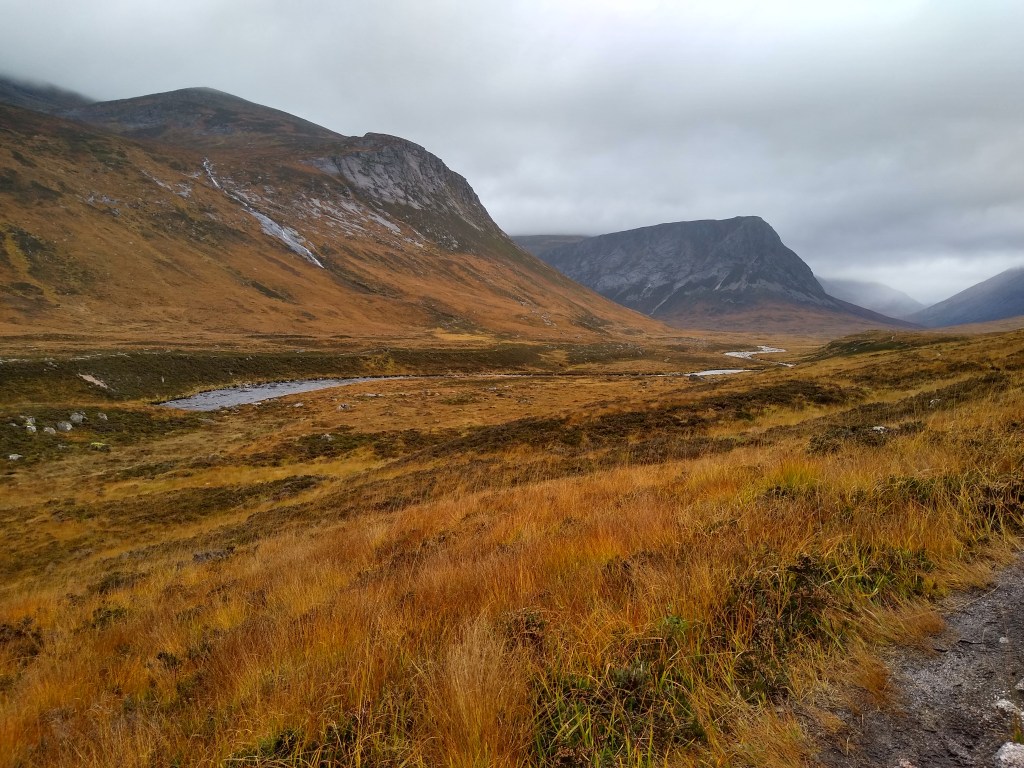
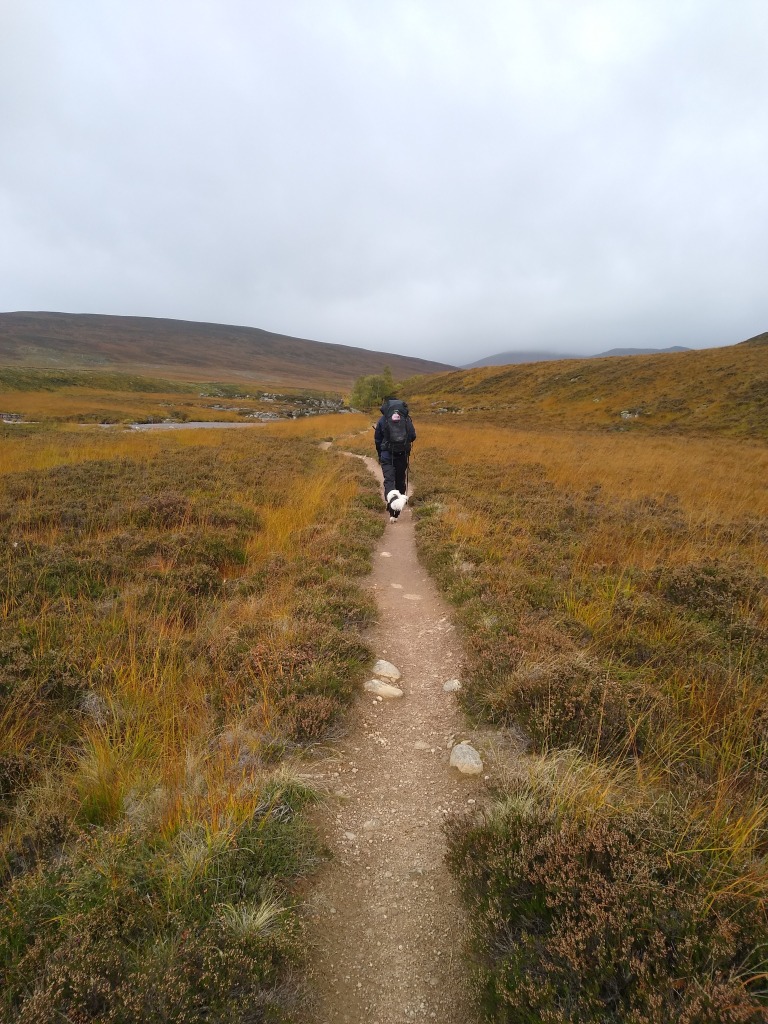
There had been a pretty strong wind overnight and so we didn’t get much sleep. I had also made the mistake of quenching my previous day’s thirst with whisky. Hungover, I helped Anna pack up camp before we trudged off along the track to the River Dee. After crossing this we turned left up a path through the heather and began the climb into the mountains. Soon after, the weather worsened considerably.

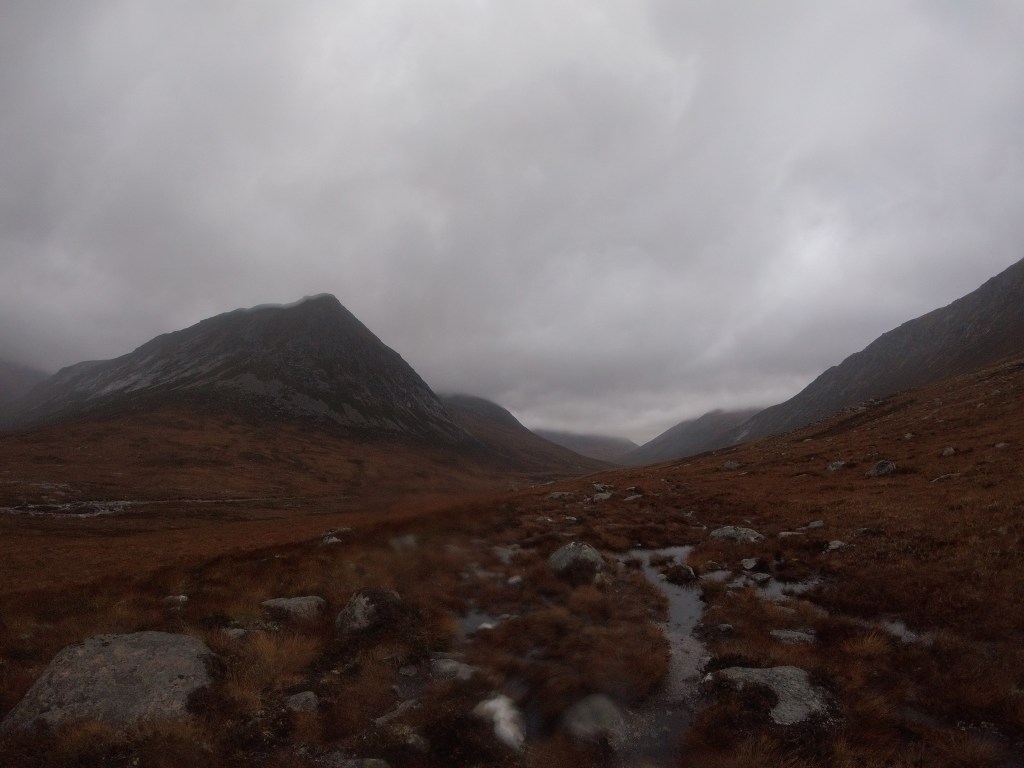
The gusts were so strong that, at one point, Anna was knocked off her feet. Fortunately our waterproof clothing held out and we were able to enjoy the experience of being amidst gloomy mountains. We were even happier to see Corrour bothy in the distance.

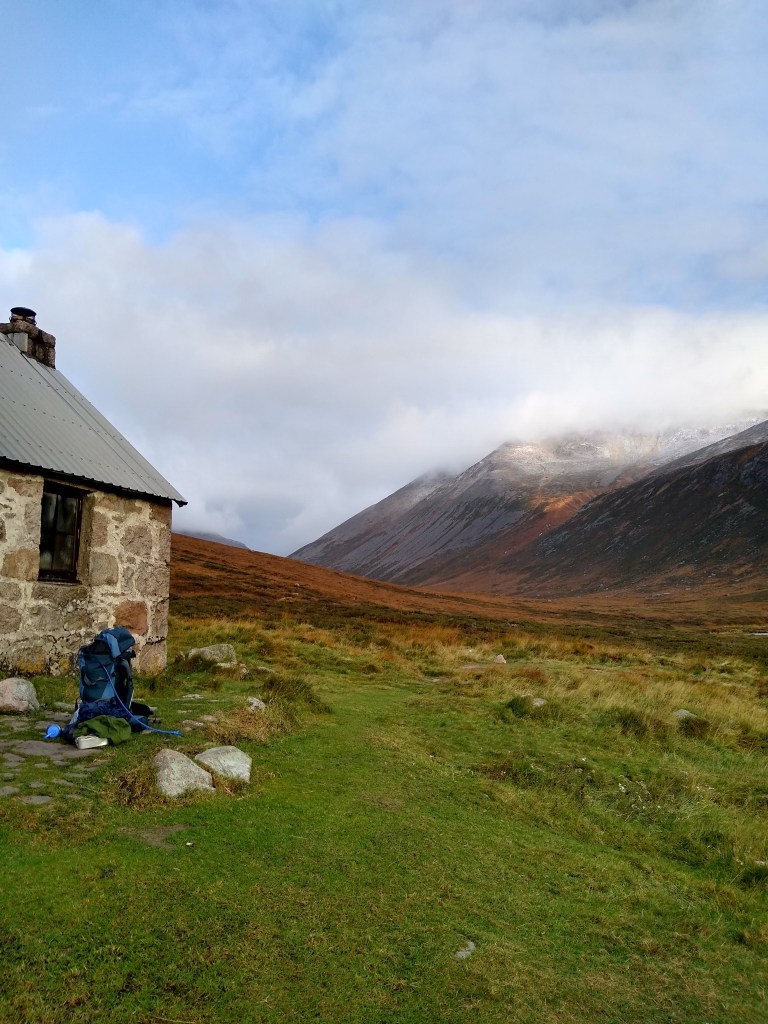
Nestled beneath the imposing Devil’s Point, Corrour bothy is perhaps one of Scotland’s best known. Like all other bothies it had a fireplace, a wood floor to sleep on, and not much more. Despite being basic, it was a welcome refuge against the storm.
Blair Atholl to Aviemore hike
Typical, easy-to-follow path

Two Belgian men, and two intrepid Scottish women were at the bothy when we arrived. Despite the inclement weather the women marched out to bag a munro (a munro is a peak over 1,000 metres, Scotland has 282 munros), leaving us to chat with the lovely Belgians. Having bagged the munro, the women returned at dusk but then decided to continue on back to Braemar, many miles away. Just before the four of us turned in I noticed three lights in the darkness. 20 minutes later 4 people stumbled in – amazingly they’d walked all the way from Blair Atholl in one day, but were now exhausted, drenched, and possibly on the verge of hypothermia. One hot meal later and they, too, were ready for sleep in the cosy – and somewhat cramped – bothy.

Images from day 2

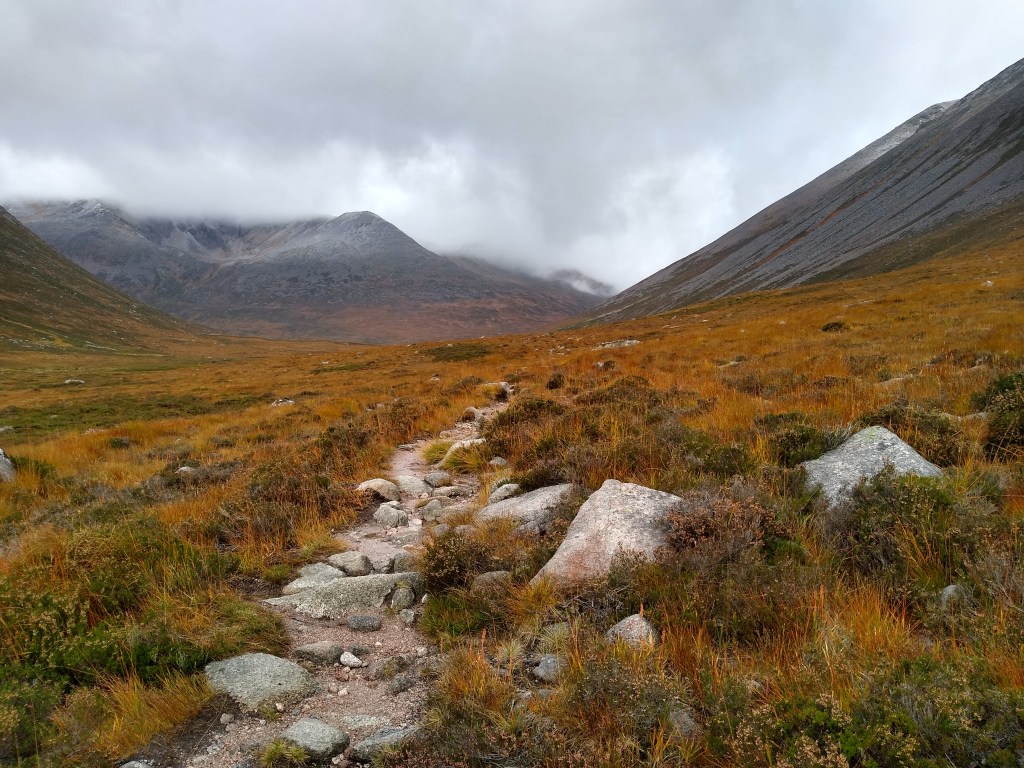
What a glorious day to wake to. Blue skies and snow on the peaks. Having heated up an energising breakfast (I’d pre-mixed oats, sugar, cinnamon, raisins and powdered milk) we set off from Corrour bothy and up towards Lairig Ghru pass. Despite a constant upwards slope, this was a much easier walk than the one we’d endured the day before through a storm. And hangover.

It took us a few hours to reach the Pools of Dee at the pass. Just over the other side we stopped for lunch. Although still far away, Aviemore was now in view. From here it was a constant descent, first through a large heathland at the edge of a deep canyon, and then into a serene pine forest.

Eventually we found ourselves at a track and, 6 hours into the walk, we passed the first people we’d seen since setting out. The walk out through the forest near Colyumbridge seemed to go on forever.
Blair Atholl to Aviemore hike
Corrour bothy

Eventually, though, we got to the road and, 30 minutes later, we were in Aviemore. Our equipment had held out through storms and freezing conditions, our legs were aching but had carried us here, and Bounty the dog had, all along, bounced along beside us. If we had wanted to catch the sleeper train back to London we would have arrived into Aviemore with at least 5 hours to eat, drink and relax before the train departed.

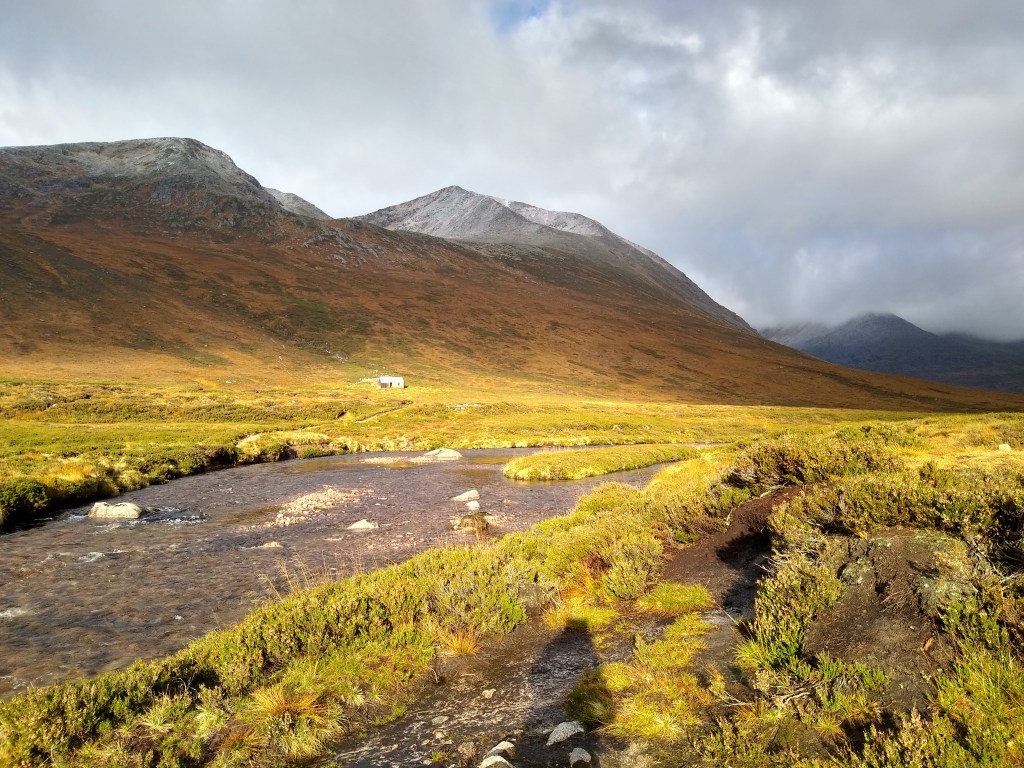
Images from day 3

Hiking light

My list of lightweight equipment for a hiking trip through the Cairngorms.

I enjoy hiking. I tend to endure camping. I’m about to hike for 3 days through Scotland’s Cairngorms (the UK’s largest national park), wild camping with my wife (Anna) and dog (Bounty).

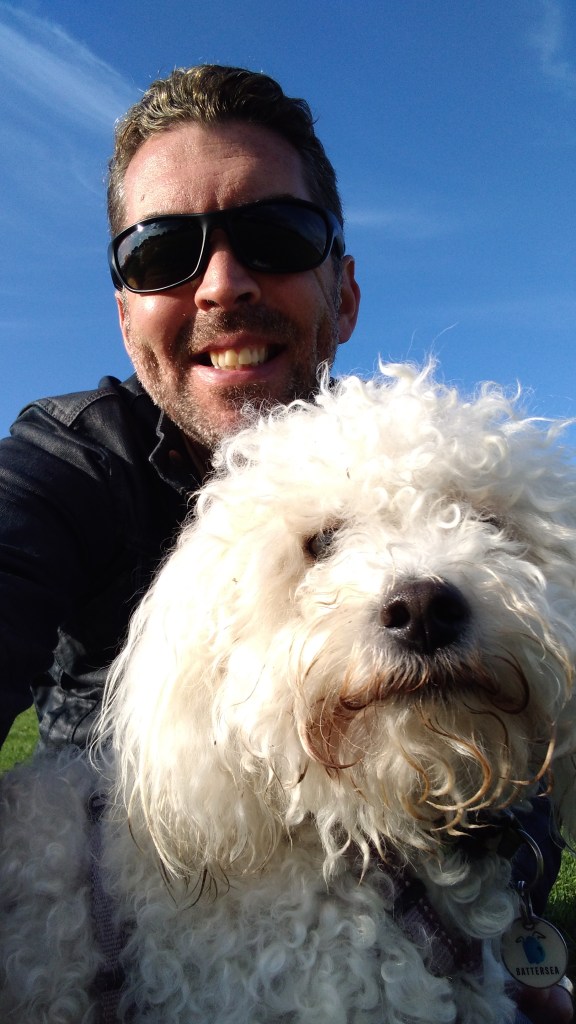
Bounty is small. He’s also very cute, but that’s not relevant here. He can’t walk too far on his little smooshy legs. Anna will carry Bounty for some of the way, I am responsible for carrying everything else bar most of the tent. For the past year I’ve been researching and collecting lightweight equipment from purveyors such as the excellent Ultralight Outdoor Gear, now it’s time to put it to the test. Here’s most of what I’ll be carrying:

  • Hyke & Byke sleeping bag – 1127g
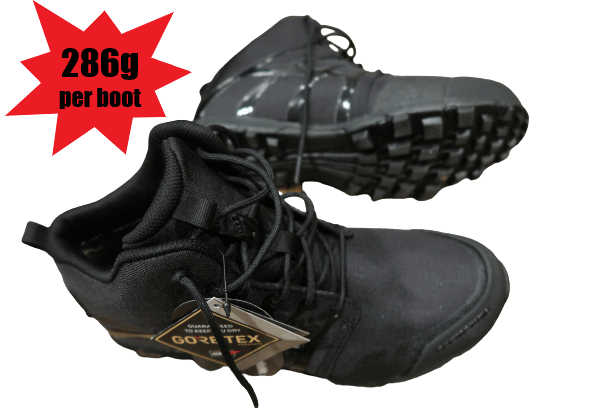
  • inov8 boots – 572g
  • Fire starter and 8x Fire Dragon alcohol gel firelighters – 290g
  • 2 x breakfast, 3 x lunch, 2 x dinner plus snacks – 2293g
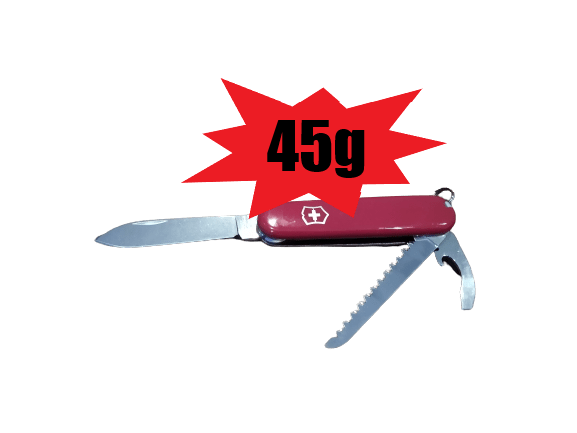
  • Victorinox knife – 45g
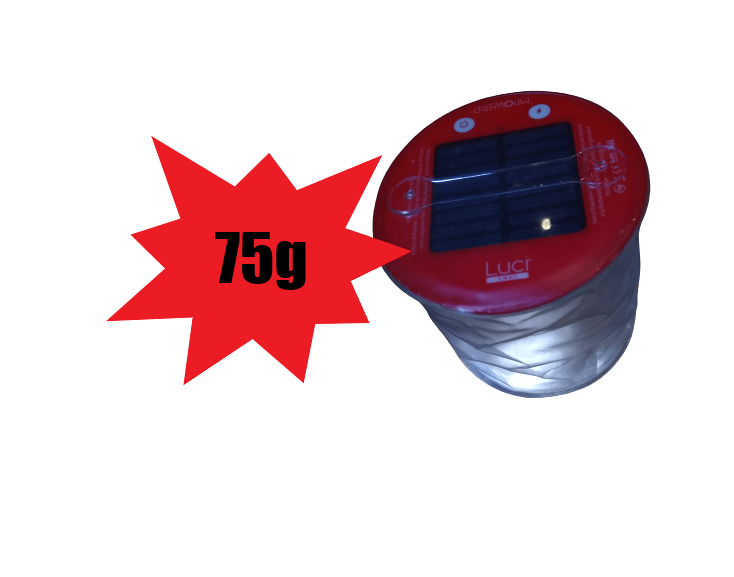
  • Luci inflatable solar light – 75g
  • Thermrest Neoair Xlite (regular) – 340g
  • 20 x Swisspiranha BF120 pegs – 120g
  • Fizan Compact Ultralight Trekking Poles – 170g (we’ll have one pole each)
  • Evernew titanium pan – 153g
  • Salomon XUltra3P GTX – 380g (I’ll probably not take these, but will add to total)
  • J-Creater Lightweight Stainless Steel Stove – 399g
  • FORCLAZ Trekking 2 Seasons Tarp – 349g
  • Berghaus tent – 3344g (not a lightweight item!)
  • 2 x SNOW PEAK Titanium Trek Bowls and TITECOUGO Titanium Sporks – 160g

TOTAL: 8.86kg

There are other items I haven’t included here (clothes, my Osprey backpack, Anna’s Xlite Thermarest, Bounty’s food, lightweight towels, filter water bottles etc.), but this will probably be all that I carry when Anna has Bounty, and so hopefully my heaviest load.

Once I’ve completed the trip I will write a post reviewing both the hike, and the equipment used (and will link to it from here).

Norfolk (B)roads

A 4-minute read about my challenging experience of cycling around the Norfolk Broads.

The river at Potters Heigham

I had come to Norfolk for two reasons: to look at potential holiday home investments, and to enjoy myself. Norfolk is blessed with the Norfolk Broads – a large area which in medieval times was dug for peat, the resultant hollows in the land subsequently becoming flooded to create a landscape of rivers and lakes (the Broads).

Because this is such an aquatic area, perhaps the best way to see it is by boat along the many, many navigable channels. I, foolishly, thought that, because the area is notoriously flat, it would be a good idea to see it by bicycle. This was a mistake.

Hickling, Horsey, and Sea Palling

The train to Norwich, and then to the Norfolk town of Acle, took 2.5 hours. In the UK you have to book ahead to get a place on the train for your bike, which proved a fairly smooth process. Once in Acle I began the pedal into the countryside, and it was then that I realised this may have been a mistake

Despite being known as a cycling destination, the Norfolk Broads are severely lacking in cycling infrastructure. My routes often took me along dangerously fast A roads, as well as B roads full of traffic. I was glad to make it to the little village of Martham, and then on to Hickling Broad

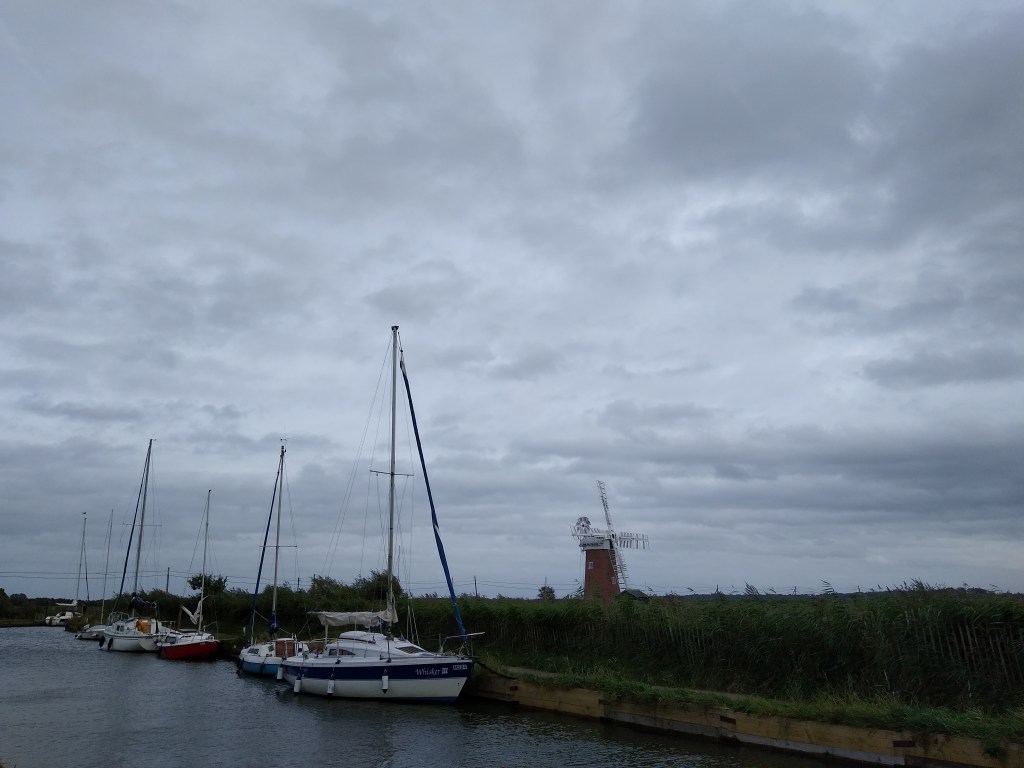
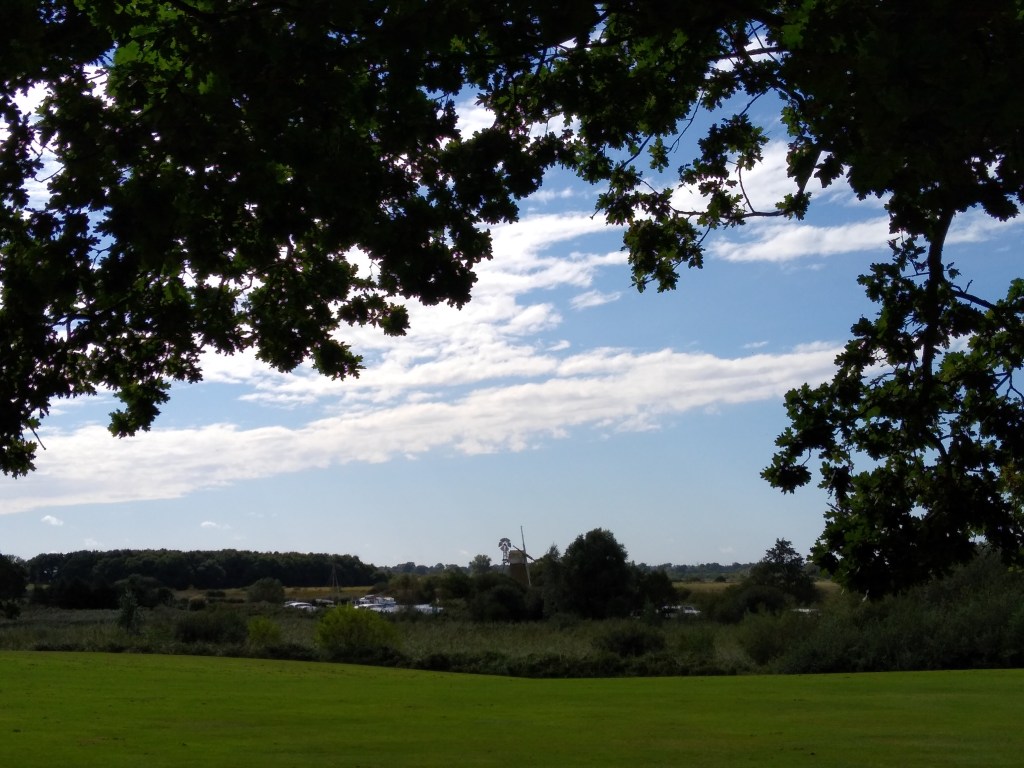
It was a relief to get to Hickling. Here was a view I associated with the Broads: an old windmill by a watercourse full of boats. It was peaceful here and I was tempted a little way along a path beside the waterway. But I had another sight to see today.

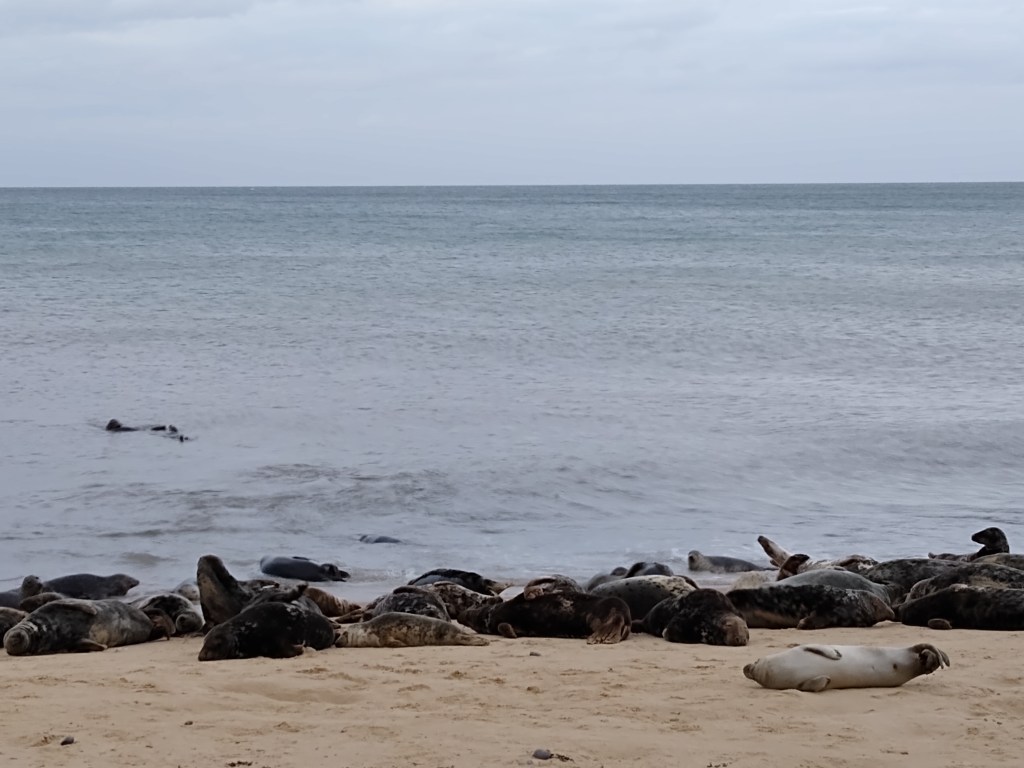
The UK is a severely nature depleted country. It’s therefore a rare pleasure to come across the sort of scene that greeted me at Horsey Beach. Only in the Galapagos have I seen this many seals in one place. They were flopped in a large group on the sandy beach (which would be a lovely place to be in warmer weather), or splashing around playfully in the sea.

Miles along that same beach is the village of Sea Palling. There isn’t much human habitation in this area and so the beach – and dunes behind – feel particularly wild. Sea Palling provided a shop, a few eateries, and a sea rescue centre…everything the visitor could need.

Thurne, Potters Heigham, Ludham and Coltishall

After a long cycle through a heavy rain storm to see a house we didn’t get, we cycled a long way back to where we had originally intended to go – Thurne, which is a very small village at the end of a Broad. It has a cute pub, but not much else going for it. Onwards to Potters Heigham, which felt as though it were the main centre of the Broads.

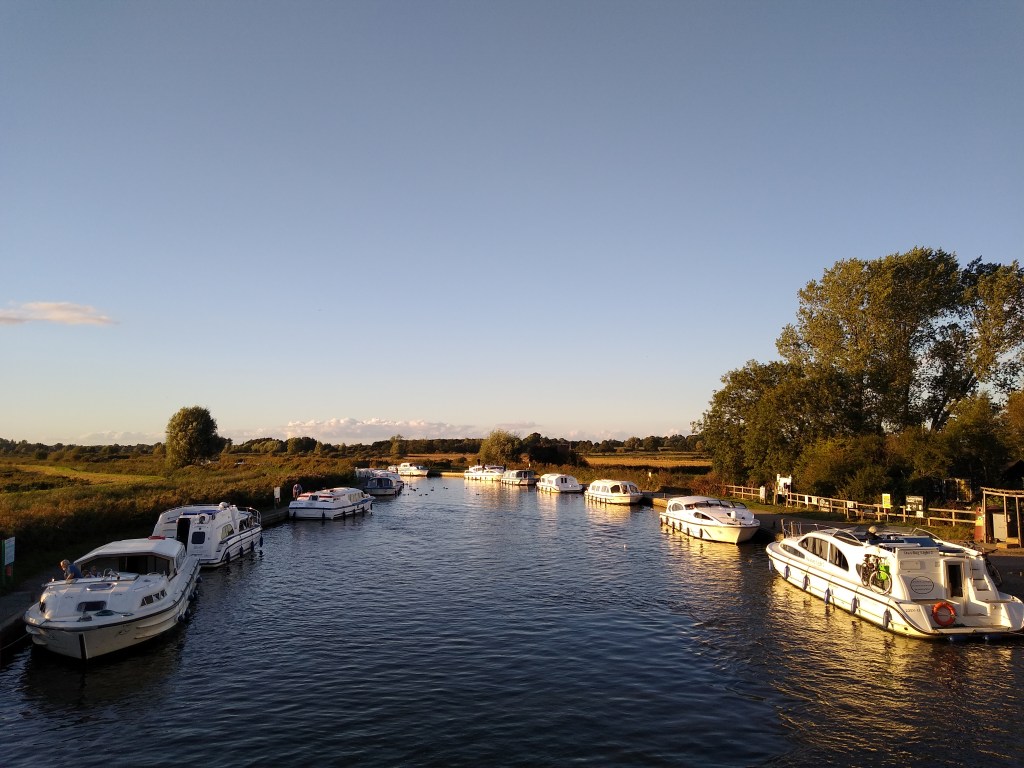
The bridge at Potters Heigham is believed to date back to 1385. Its aesthetic is somewhat ruined by the traffic lights which are necessary to control the flow of traffic (traffic which doesn’t fit on the adjacent more modern bridge that carries a noisy A road). This strange little hamlet has a large marina and dozens of boatyard buildings. Little shacks stretch either side of the river, the occupants of the furthest must walk 20 minutes from the car park. A factory-like tearoom serves dry scones and meager cream portions. Onwards!

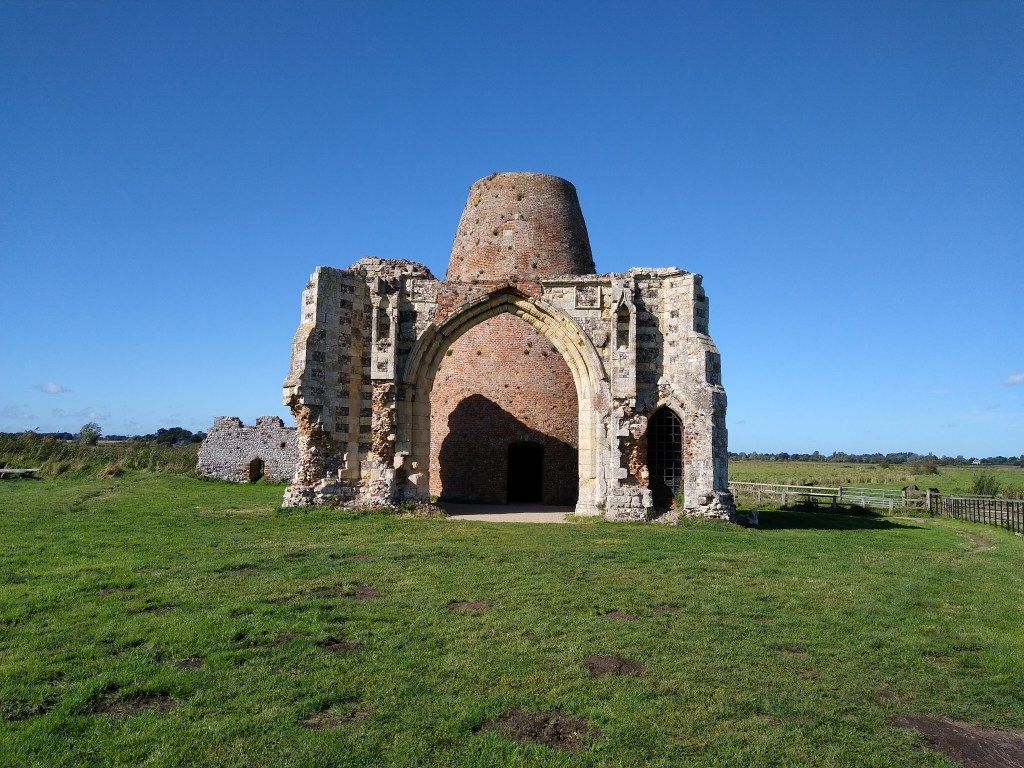
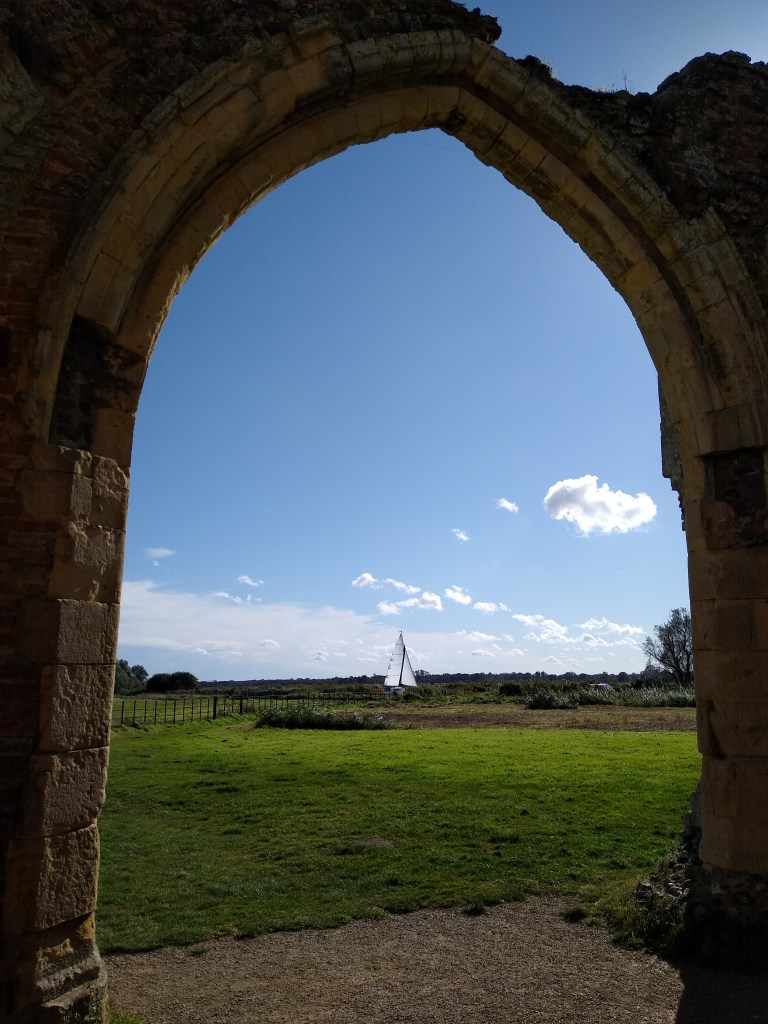
Along a thankfully quieter road I cycled on to Ludham. This is a village that has everything; a marina, a butcher, a good local shop, and (most importantly) a pub. There are many sights to see around Ludham, including How Hill, where you’ll find a formal garden, well-preserved mills, a millkeeper’s cottage, and wildlife trails. Also close to Ludham are the ruins of St Benet’s Abbey, which had the rare honour of being spared by Cromwell. It was once a massive and impressive place, but now just the gatehouse survives, and even that has in years past had a mill built into it.

Unfortunately we didn’t have much time to explore Coltishall. The one thing I can say about this village is that it’s surrounded by roads that are actually quiet and pleasant to cycle along. Oh, and it has a great pub called The Recruiting Sergeant which serves excellent food.


Wroxham, Stokesby and Reedham

St Benet’s Abbey

Although Potters Heigham is busy with boats, Wroxham is considered the actual centre of the Norfolk Broads. Here there are dozens of boat yards, and lots of different types of boats to hire for hours or days. I opted to hire a canoe for a couple of hours, to see what all this river fuss was about. Several minutes after leaving the dock I was in a wonderland of tree-fringed river. So THIS is what it’s all about.

The watercourse somehow reminded me of the Amazon, perhaps because the trees at the water’s edge dipped their branches into the river. I paddled into a gap through the trees and into a broad. On this large lake were sailing yachts and people fishing. I wondered what type of fish there were in those murky depths – here the water was fresh, but at some point the river turned salty where it met the sea.

My final stop in the Broads was Stokesby, which really is off the beaten path. Unfortunately I only saw the place at night, but its delightful pub sits right on a river and I imagine it’s a wonderful place to be in the summer. The same can be said of Reedham, which I did manage to see during daylight. This village has a waterfront with pubs and cafes, a swing bridge to let through large boats, and a ferry further upriver.


Norwich

Before returning to London I spent a night in Norwich. The cathedral here is almost one thousand years old, and has the second-largest spire in the UK. Norwich also has a castle (closed when I tried to visit), as well as many charming pedestrianised streets.

A river runs through this city and the waterfront varies from modern malls, to tree-lined footpaths. All around town are plaques informing visitors about historic events which took place in the city. I liked it, but one day felt about right to see the place.

Norwich Cathedral

๐Ÿจ

I stayed at, and can recommend, the Dairy Barns in Hickling, the Recruiting Sergeant in Coltishall, and the Barn Apartment in Stokesby. I also stayed in the Nelson Premier Inn in Norwich, which I absolutely do not recommend.

๐Ÿš…

Take a Greater Anglie direct from London Liverpool Street to Norwich, and then you have a choice of destinations in and around the Broads, including Acle, Reedham, and Hoveton & Wroxham.