

I’m going to do a very inexpert estimation of how many people travelled by cargo ship every year. An agency specialising in this form of travel informed me that there were over 200 such ships available to the general public, so let’s say that, with an average of two cabins per ship, an occupation rate of 50%, two people per cabin and an average journey time of 7 days…that’s 20,800 journeys/year which are no longer possible.
Why? The pandemic and the various crises in the Middle East are two key reasons. Cargo ship companies were looking for an excuse to halt passenger travel and war and COVID provided the perfect excuse to do just that. Because the media isn’t interested in this form of travel (to put it into context, the same number of people in my (very) rough annual cargo passenger estimation is akin to the number of passengers flying in/out of Heathrow in just 3 hours, so probably not on most travel editors’ radar) cargo companies have continued to quietly keep those cabins closed to the general public. That round-the-world trip you may have wanted to take without flying? It’s now even harder to do than before (the only way I can think of now would be to crew on a yacht for large sections).
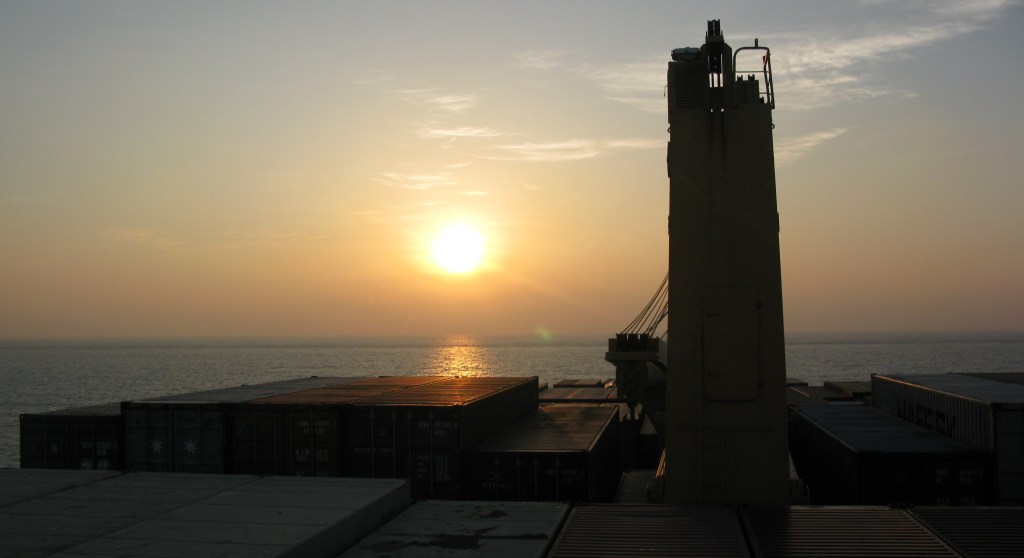
I reached out to the main cargo ship companies who once offered this form of travel to ask about the future of cargo ship travel for the general public, only Maersk responded to confirm that the decision to no longer carry passengers on their fleet is permanent.
This is a great shame. Those cabins will remain empty, the crew already have their own quarters. Travellers will have to find alternative (most likely far more environmentally damaging) ways to reach their destinations. Crews on the ships will miss the welcome distraction of having new faces on board. But there are reasons for optimism.
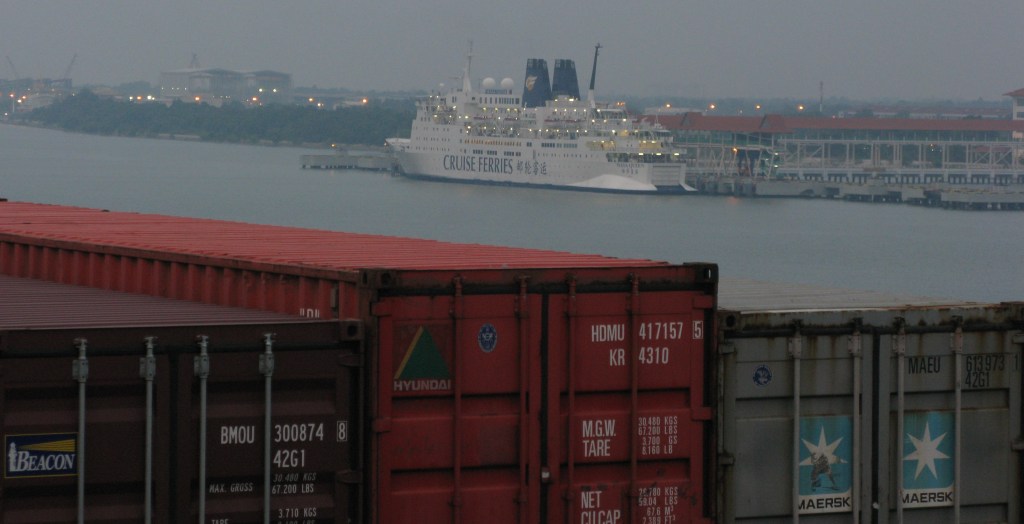
Colin Hetherington (who was a great help with putting together this post) from Cargo Ship Voyages points out that there are still opportunities to travel on certain lines, such as Extreme E who operate the former RMS St Helena. He also mentions that short haul European voyages, deep sea voyages to/from South Africa with MACS shipping, and coastal cargo/passenger voyages in Canada and French Polynesia are still available.
In October 2025 Neoline launched their wind-powered cargo ship Neoliner Origin which will sail between Saint-Nazaire in France, Saint-Pierre-et-Miquelon near Canada and Baltimore, USA. The journey to Baltimore takes 14 days and one-way tickets cost €3,200 (book here). If successful this may be the start of the return of trans-Atlantic cargo ship travel for passengers, maybe even cargo ship travel worldwide.
Hopefully with pressure from the general public, crews, and agents such as Colin, cargo ships will one day in large numbers welcome passengers back on board. For now, though, hundreds of ships continue to sail with empty cabins.
 A Plan To Go