Rainforest to Rockies: A BC Road Trip

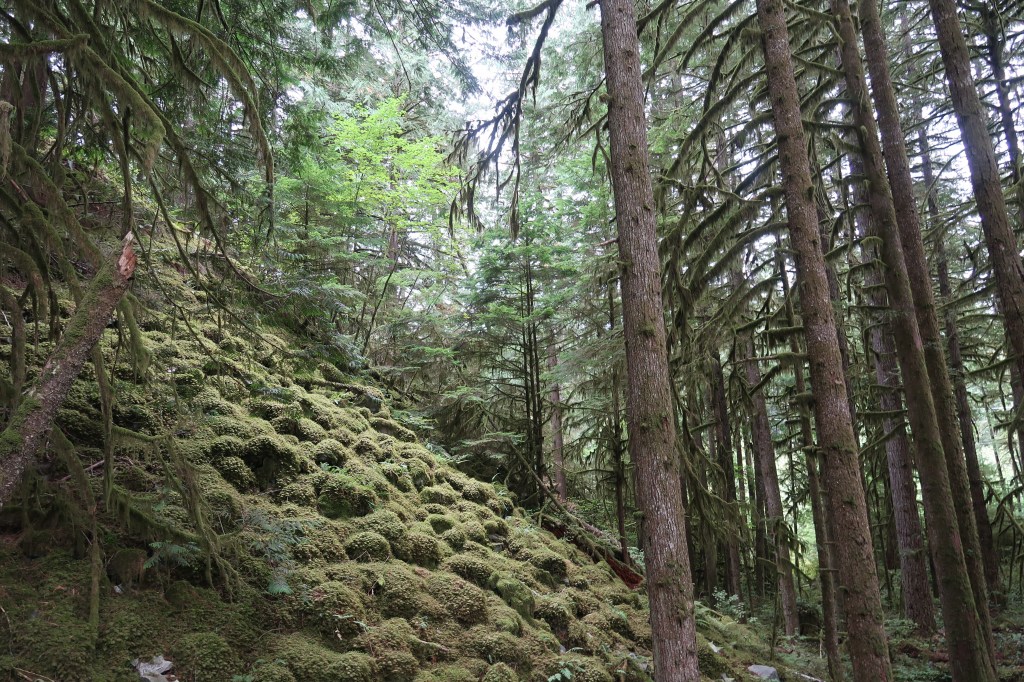
Launched in September 2025 the Rainforest to Rockies route through British Columbia is designed to take in some this Canadian province’s most spectacular and diverse scenery. Having spent several days travelling along this route it also serves as an excellent taster to the Canadian wilderness and a tempting menu from which to choose places I’d be very keen on returning to.

Vancouver is the starting point of this route, convenient for its international airport where 42 airlines fly to 121 destinations worldwide. The city’s coastal location is its main asset and I warded off jetlag with a sunny evening walk along the seawall to Stanley Park. The harbour has been cleaned up since I was last here 17 years ago and I was glad to see a seal frolicking in the shallows. Gastown – Vancouver’s historic heart – also feels buzzier than it did before.

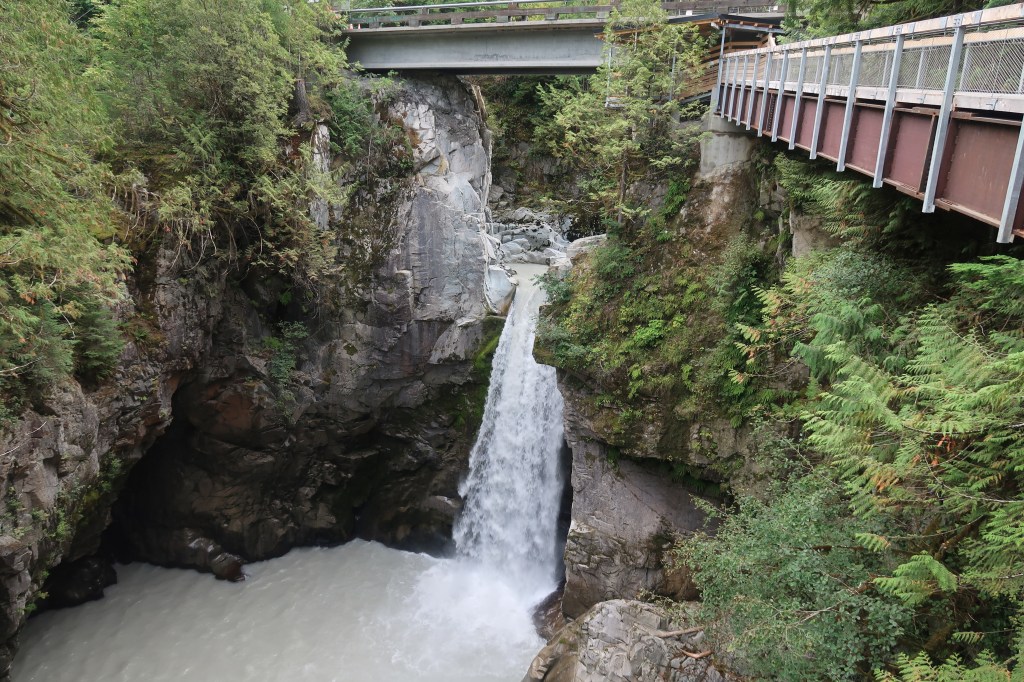
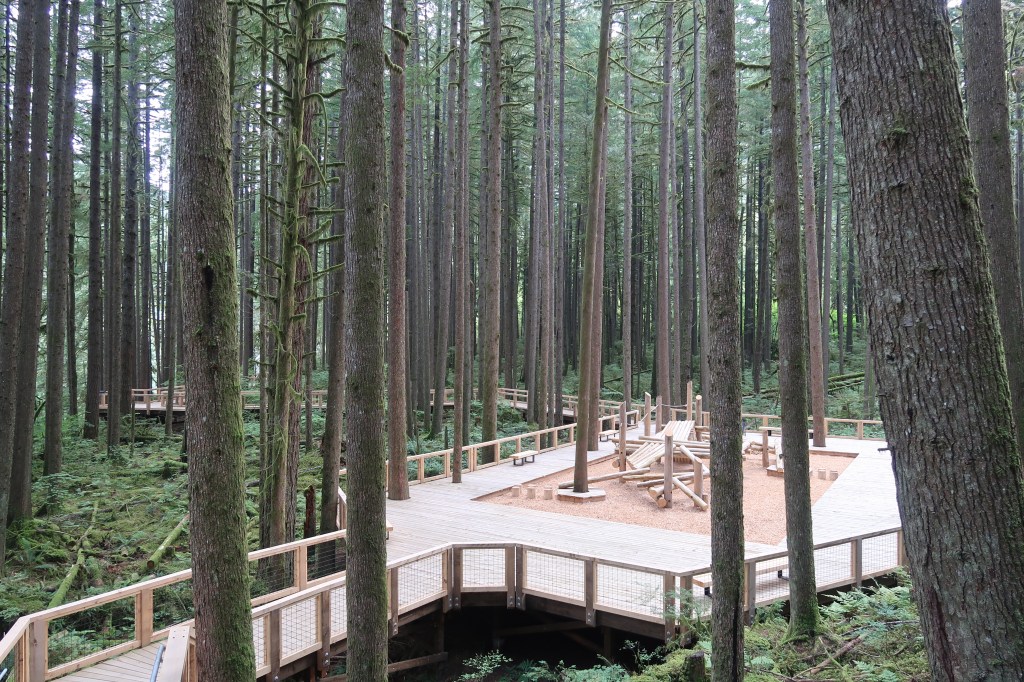
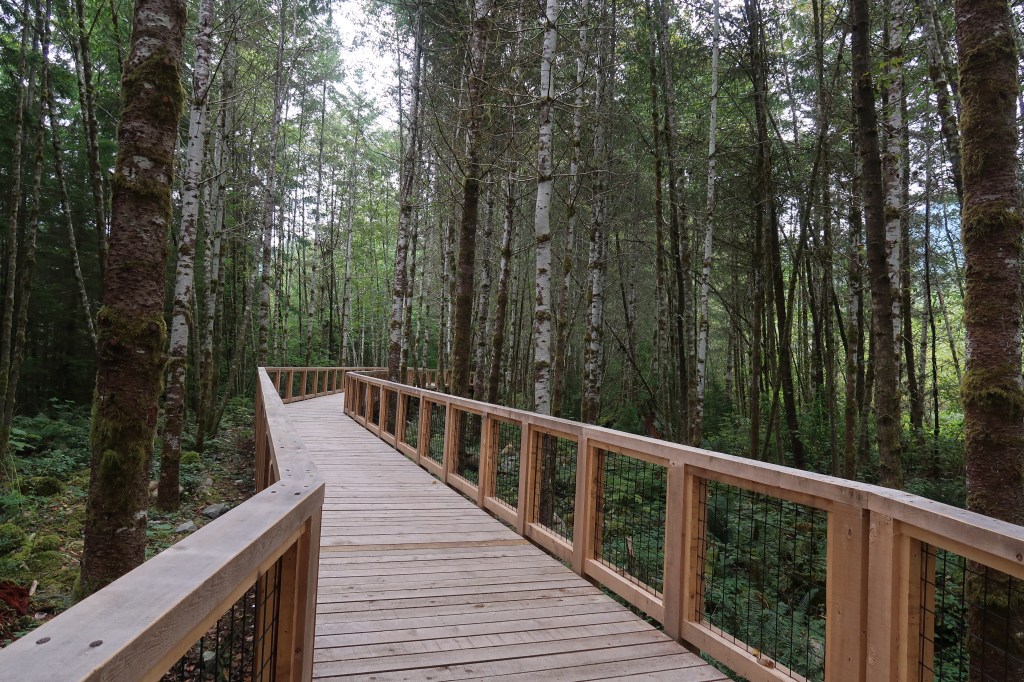
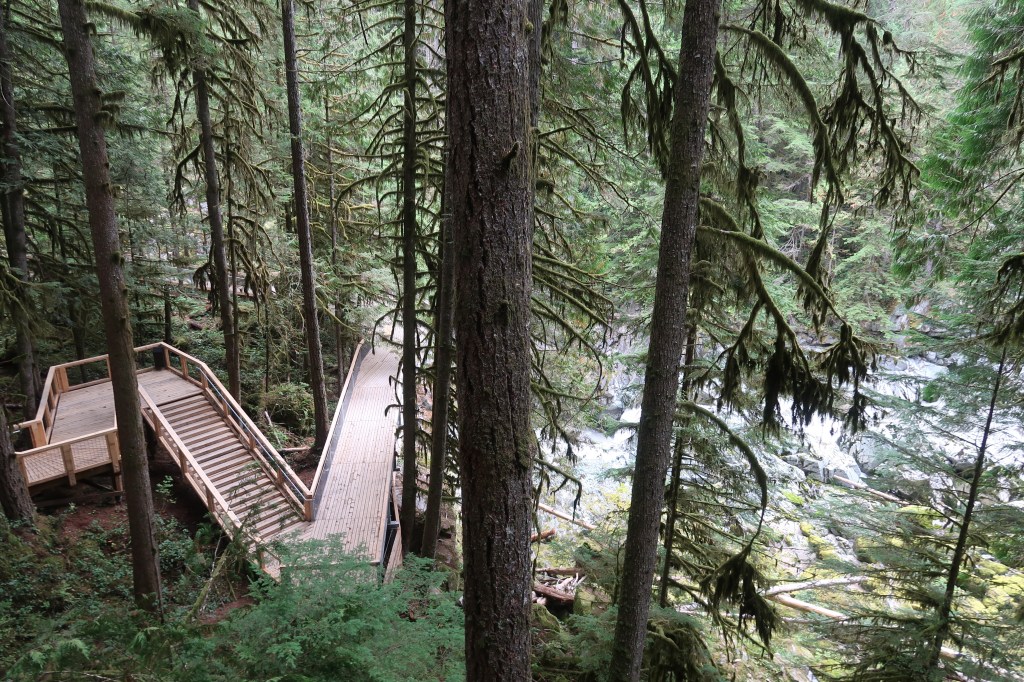
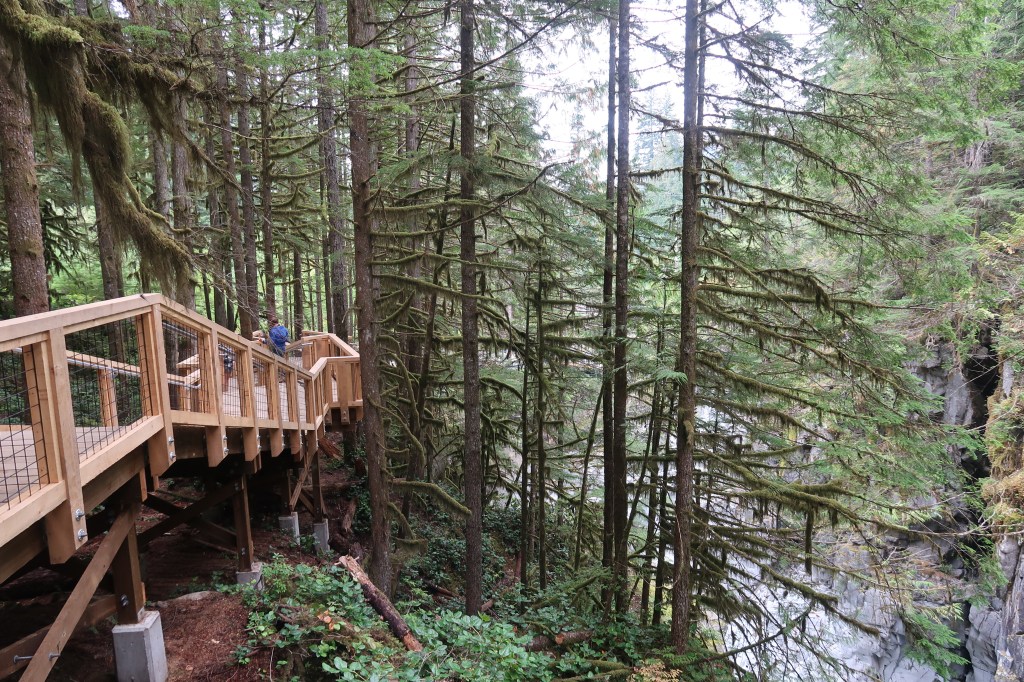
In British Columbia the ‘road’ part of ‘road trip’ is so often a highlight, the Sea to Sky Highway spectacularly proving this point as it winds away from Vancouver, along cliffs above the islands of Howe Sound, past Sแธตwxฬฑwรบ7mesh (Squamish) and the newly-installed boardwalks of Squamish Canyon. The Canyon is well worth a stop and the $44 entry will feel like a bargain as you walk along the elevated wooden path that weaves through second-growth forest (that would otherwise have been used for logging) all the way to dramatic Mamquam Falls.

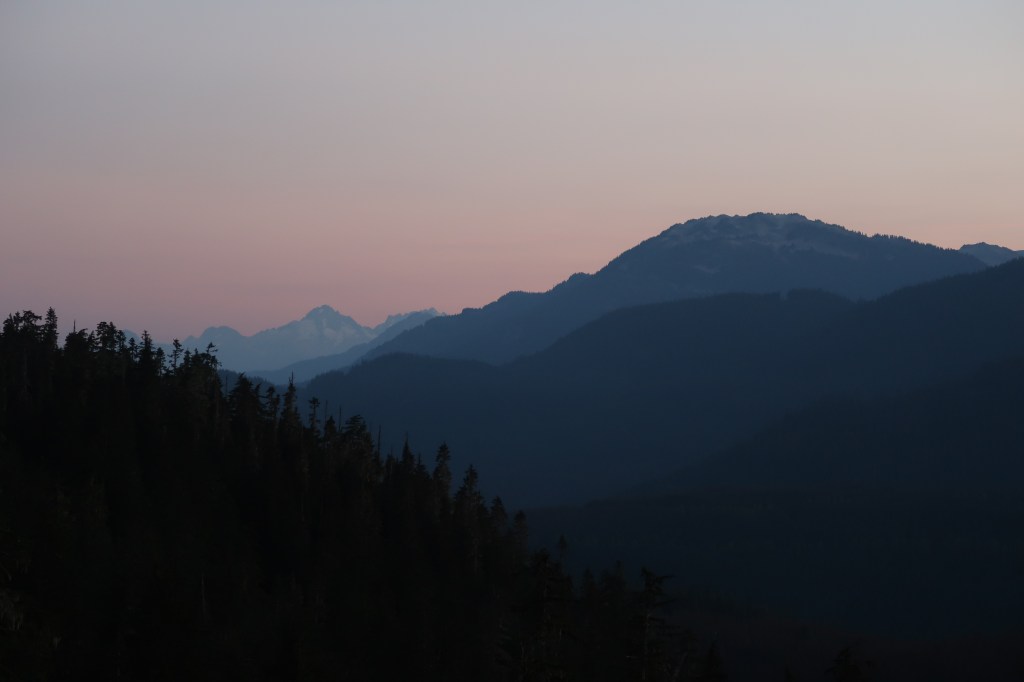
Having left the sea behind it felt like we were truly in the sky when we reached Whistler, which sits at 670m and is surrounded by the Coast Mountains. I like this town, a lot. It ticks my boxes of: cute pedestrianised centre โœ”๏ธ, scenic walks directly from town โœ”๏ธ, and; easy access to the mountains โœ”๏ธ. After enjoying quite possibly the best croque madame I’m ever likely to have at Lorette Brasserie I was ready for the walk through the forest to Lost Lake. OK, so this is an easy walk that didn’t justify the size of the breakfast, and the trails are well-marked and easy to follow. They mostly lead to the lake, which is a relatively warm body of water (well it was in mid-September, anyway) where people could swim and sunbathe surrounded by trees and mountains.

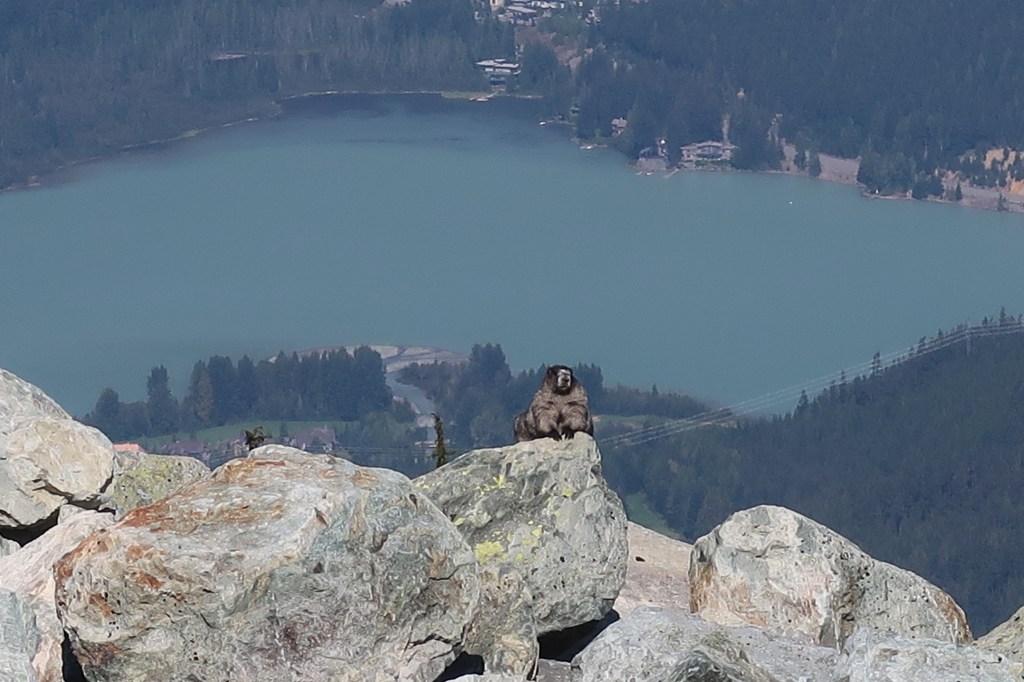
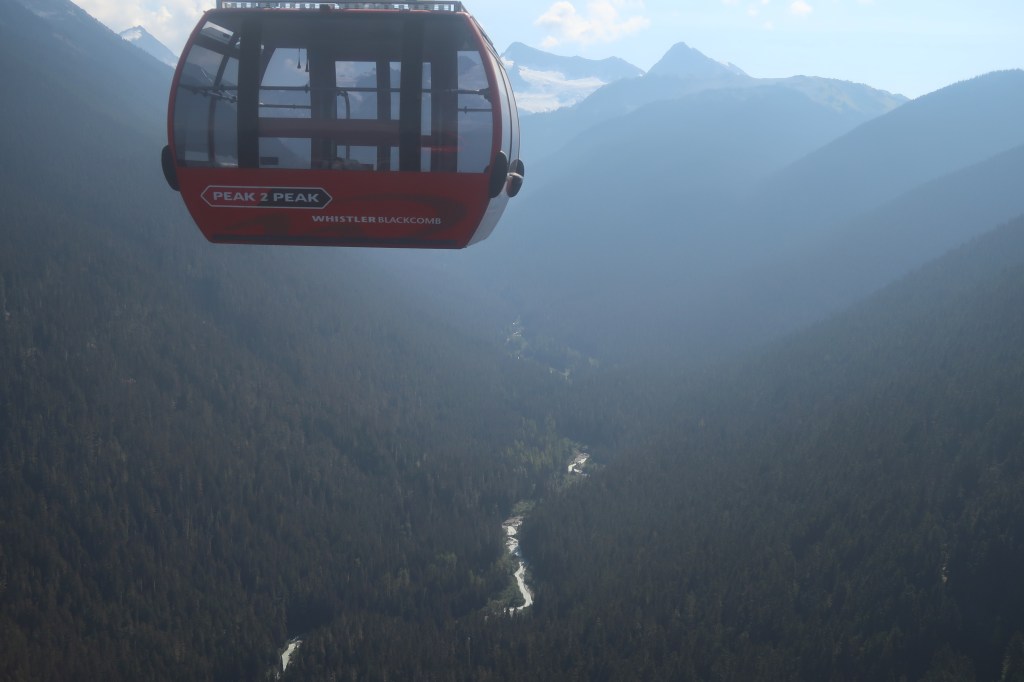
I was itching to get into those mountains, an itch that was easily scratched thanks to the conveniently-located Blackcomb gondola which whisked me (and, in winter, thousands of lucky skiers) up above Big Easy Terrain Park where we saw some plump marmots and learned that Whistler is named after the sound these squeaky creatures make. Next: the world’s longest unsupported gondola span. The PEAK 2 PEAK gondola is engineering at its most thrilling and allows for 11 minutes of peaceful and lofty contemplation of the dramatic landscape.

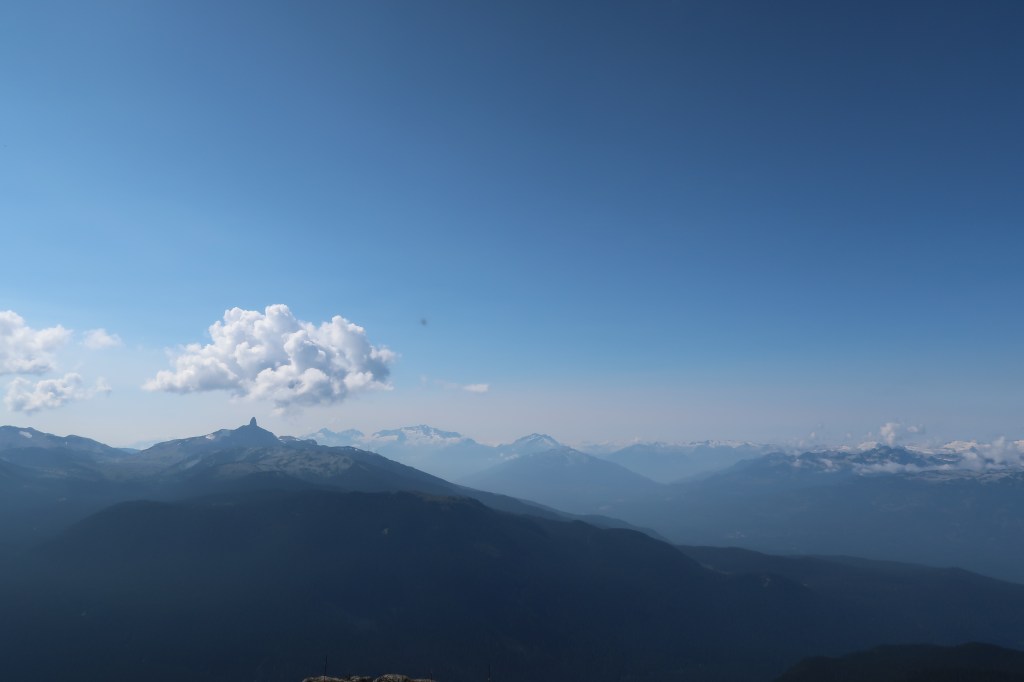
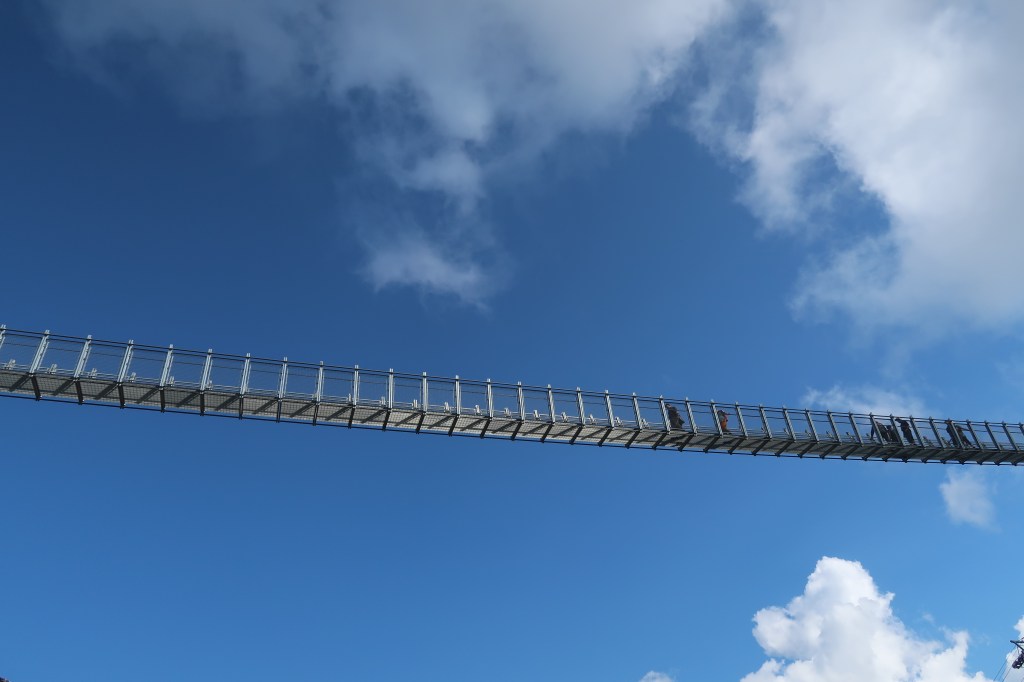
Those contemplations were about to get even loftier for, after arriving on Whistler Mountain, we boarded the Peak Express chairlift to the Cloudraker Skybridge, a wobbly suspension bridge that leads to Raven’s Eye Lookout. This walkway juts out over a high cliff and has yet more incredible views.

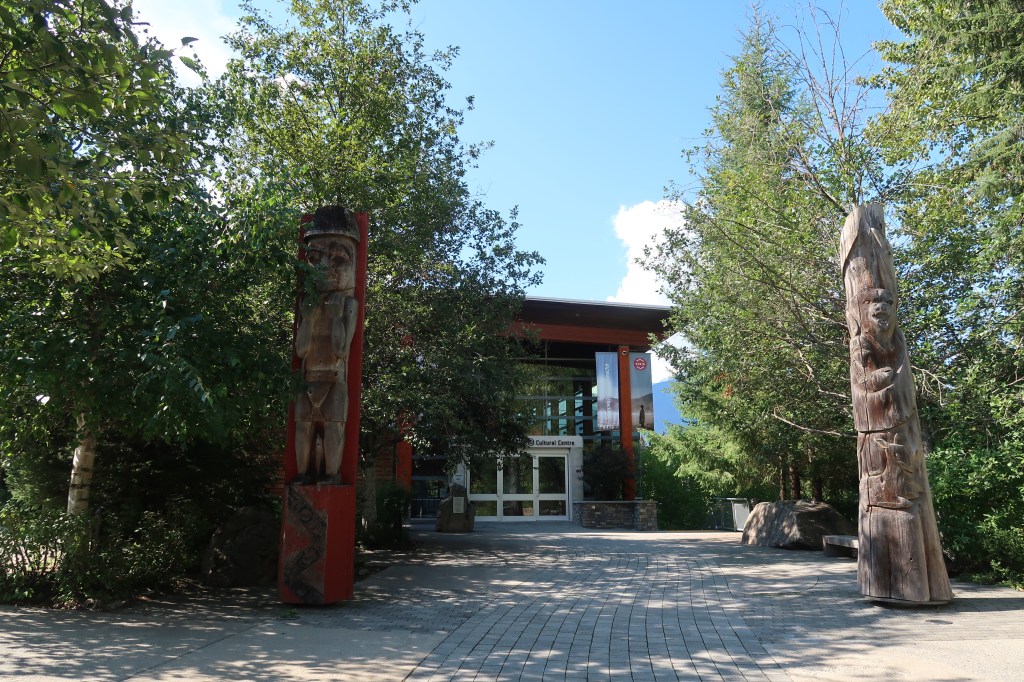
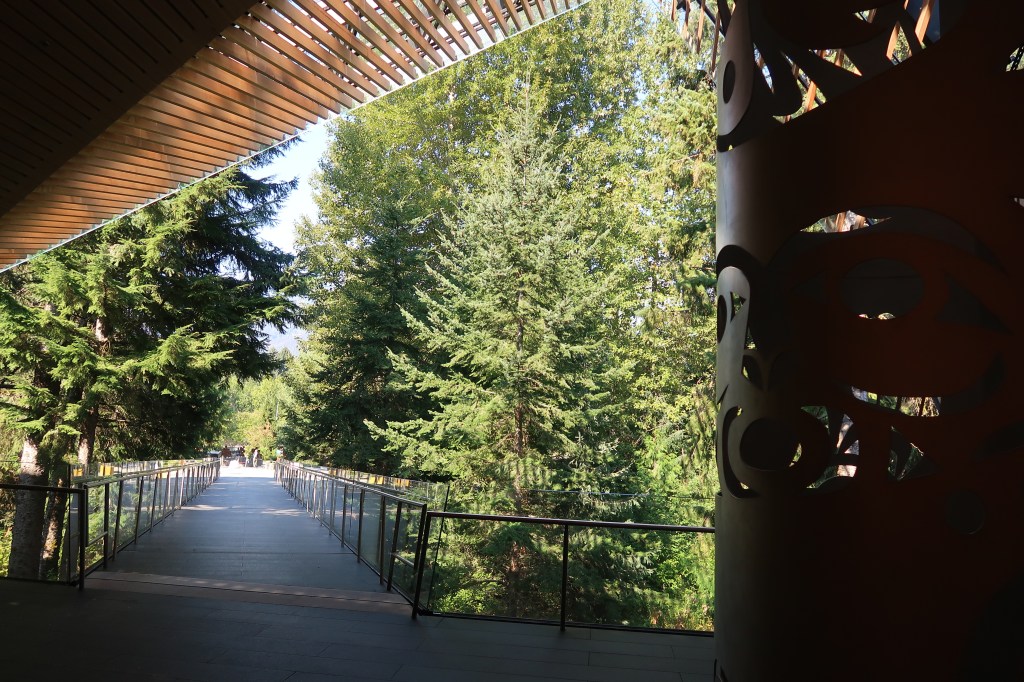
Over the road from my hotel the Squamish Lil’wat Cultural Centre shares the stories, cuisine, history and culture of the Sแธตwxฬฑwรบ7mesh (Squamish) and Lilฬ“wat7รบl (Lil’wat) nations who share the land on which Whistler is located. Admission is just $25 and includes guided tours, the centre’s Thunderbird Cafe serves up First Nations-inspired cuisine. I was deeply impressed by the range of exhibits, the simplicity of the information boards and the imaginative way in which the building was designed.

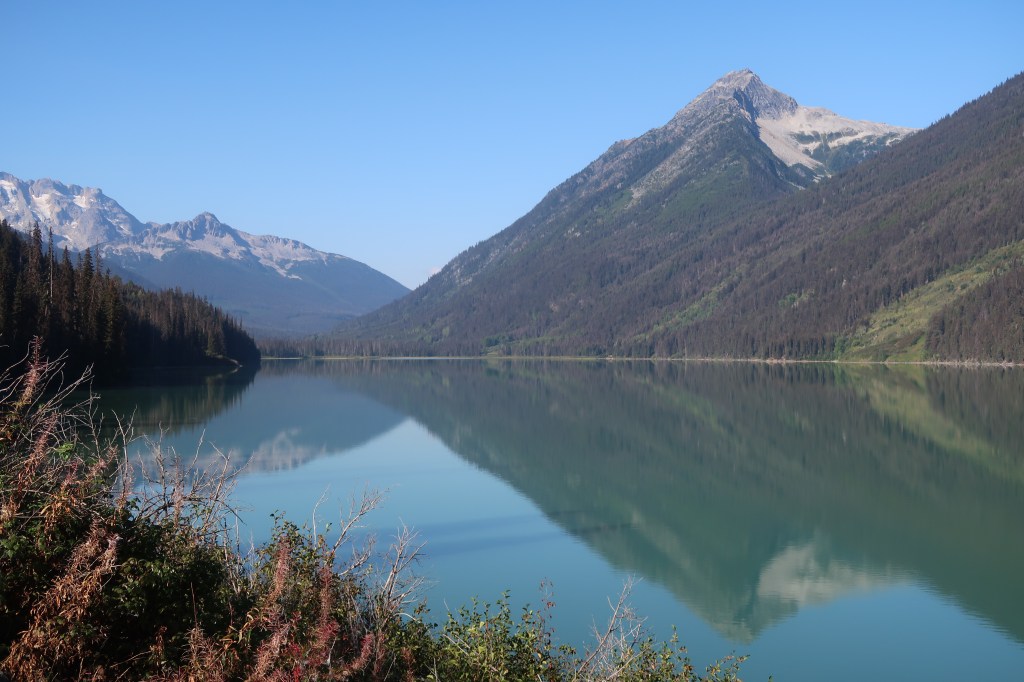
Just when I thought the roads here couldn’t get any more scenic we took to the Duffey Lake Road, which winds 129km from Whistler to Lilooet. Our Rainforest to Rockies route then well and truly left the rainforest behind when we dropped down from those Coastal Mountains and down into the arid Thompson Valley.

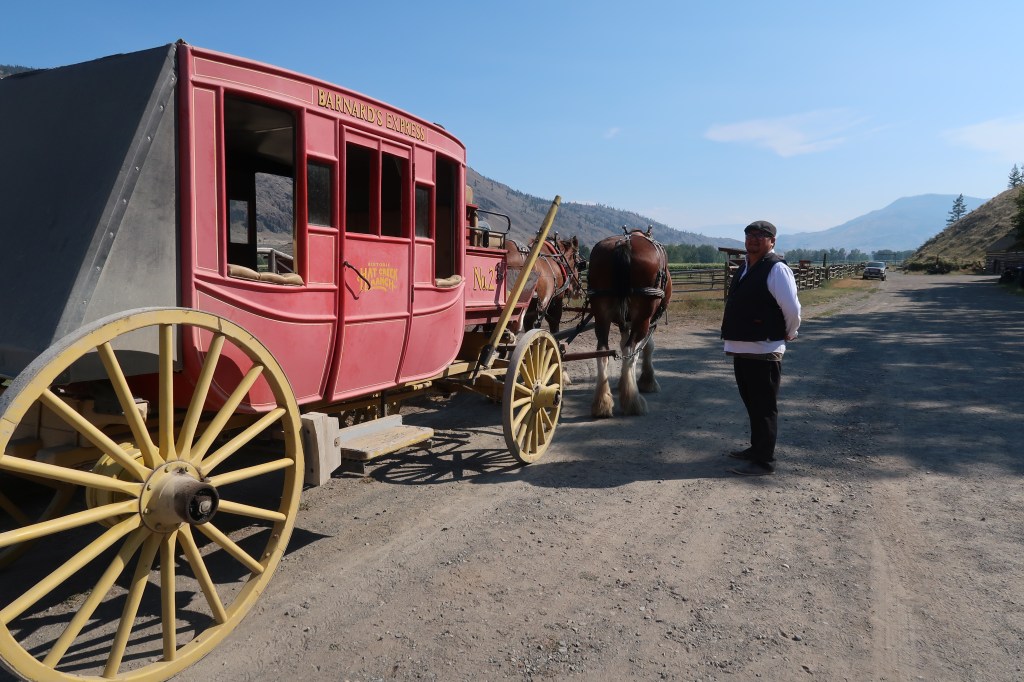
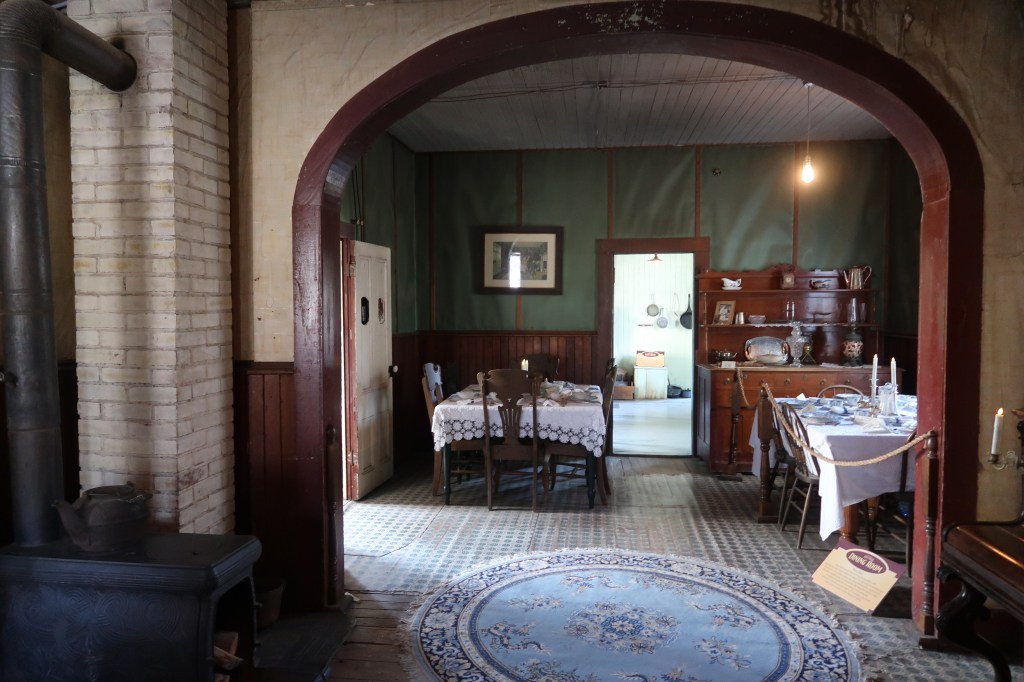
It took travellers 10 days to travel the length of the Cariboo Road during the 1800s Gold Rush, we got to Hat Creek Ranch in just a few hours. The historic buildings here once accommodated those weary and hopeful travellers, considering some date back to 1860 they’re in such good condition that you can still see the original wallpaper. Here, too, is an Indigenous Interpretation Site (complete with a pit house) as well as an excellent value restaurant.

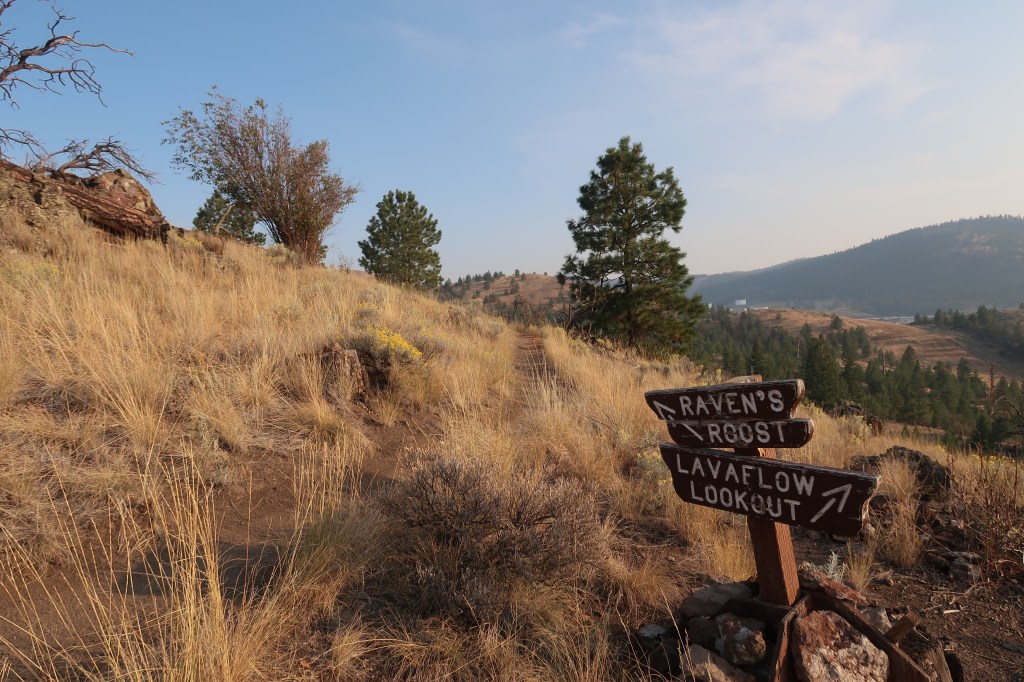
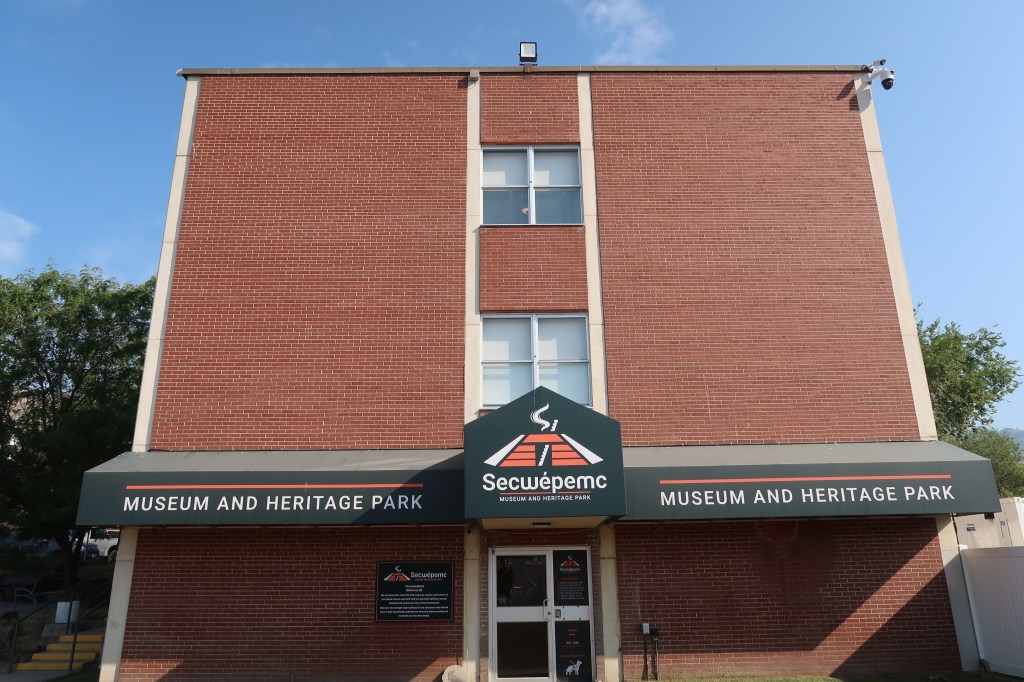
On to Kamloops, a popular stop on the famous Rocky Mountaineer rail route. Within the Kamloops city limits Kenna Cartwright Park is a vast hilly area of hiking and biking trails with long views over the city and Thompson river. In the other direction the Privato Vineyard and Winery provides the more sedate experience of wine tasting amid long ribbons of vines. A far more sobering experience was seeing the former Kamloops Indian residential school on Tkโ€™emlรบps te Secwรฉpemc First Nation territory. Here, too, is the Secwรฉpemc Museum showcasing the history of this First Nations people. If you can I recommend arranging for a guide to show you around the exhibits.

A 90-minute drive north along BC-5 will bring you to Clearwater. The fur trtade brought settlers to this Chilcotin territory, when the railway arrived in 1914 it was mining and logging which brough prosperity and growth. There’s been a steady growth in the population (to just under 2,500 people) but because this is a sprawling town it seems as though the wilderness is right there with you. To actually get into the wilderness isn’t that difficult, with the entrance to Wells Gray Provincial Park just minutes away.
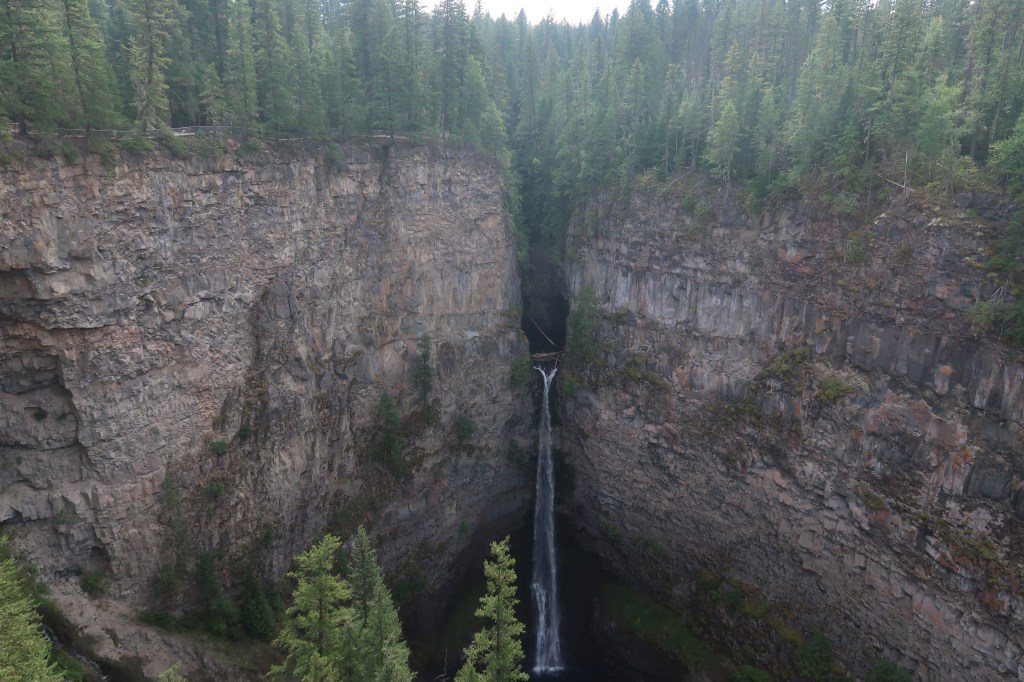
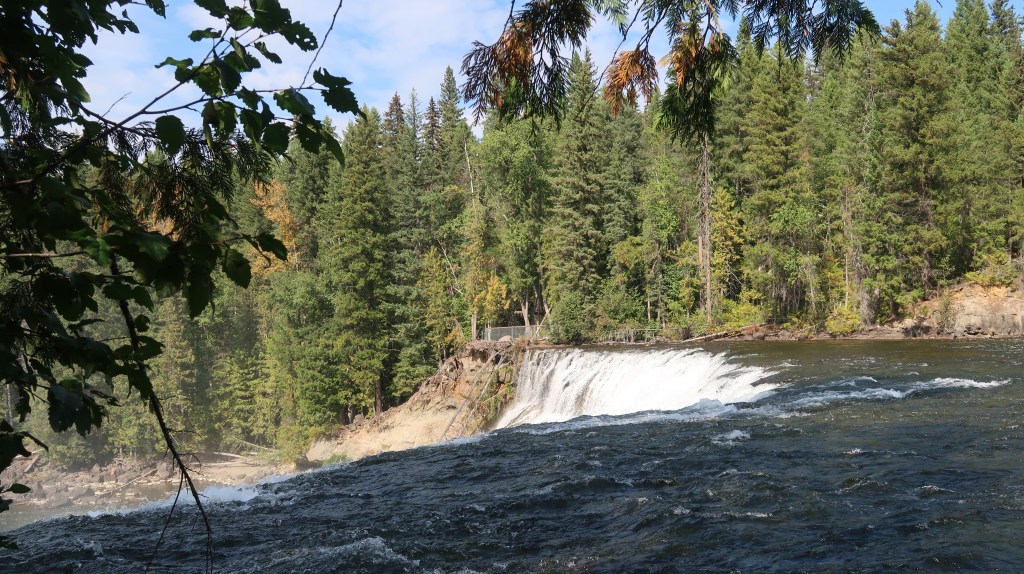
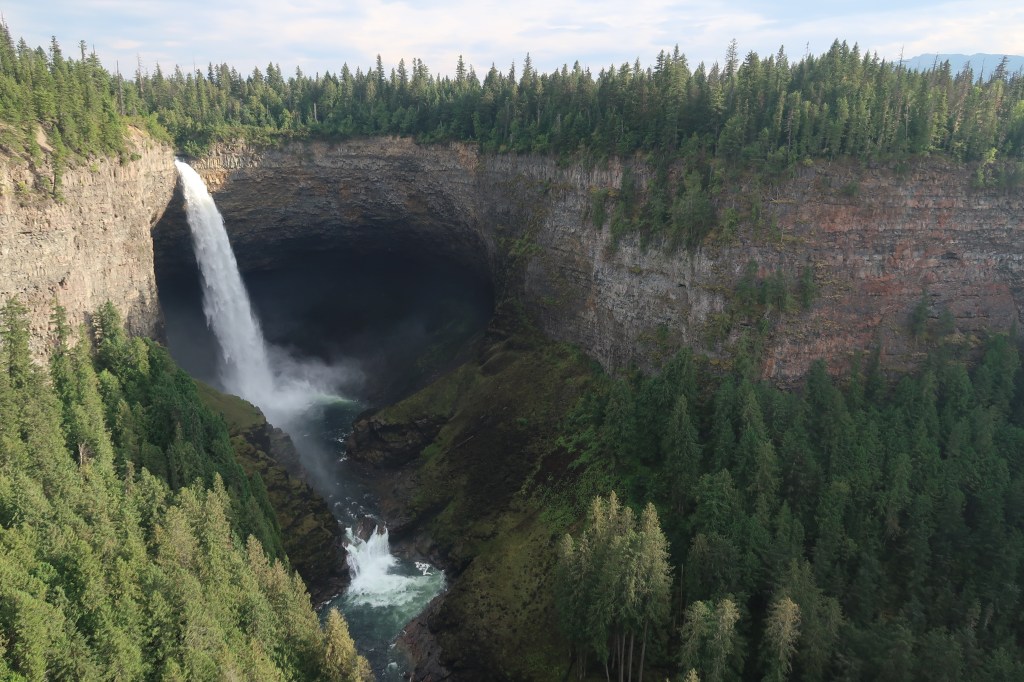
There’s a rich choice of waterfalls in this park, from the wide Dawson Falls to the immense Helmcken Falls. The latter are the fourth highest falls in Canada, tumbling 141 metres into a steep-sided canyon which is topped with green forests. Viewing platforms help visitors stand in awe at these watery wonders and the excellent BC Backcountry Adventures help more intrepid visitors go deeper into the wild.

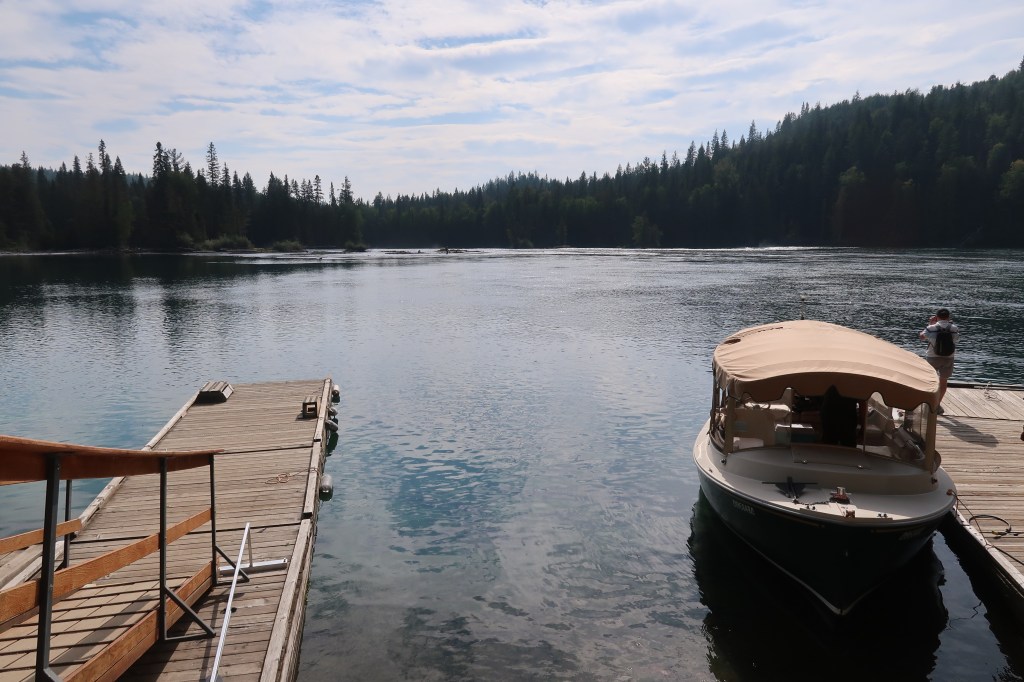
More watery joys await, further down the road (which becomes an unpaved tracks) into Wells Gray. That track/road ends at Clearwater Lake where a large wood cabin houses the Osprey Cafe (named after nearby Osprey Falls) and the rental office of Clearwater Lake Tours. You can hire kayaks and canoes from them but I took an electric boat tour over over the appropriately-named lake.

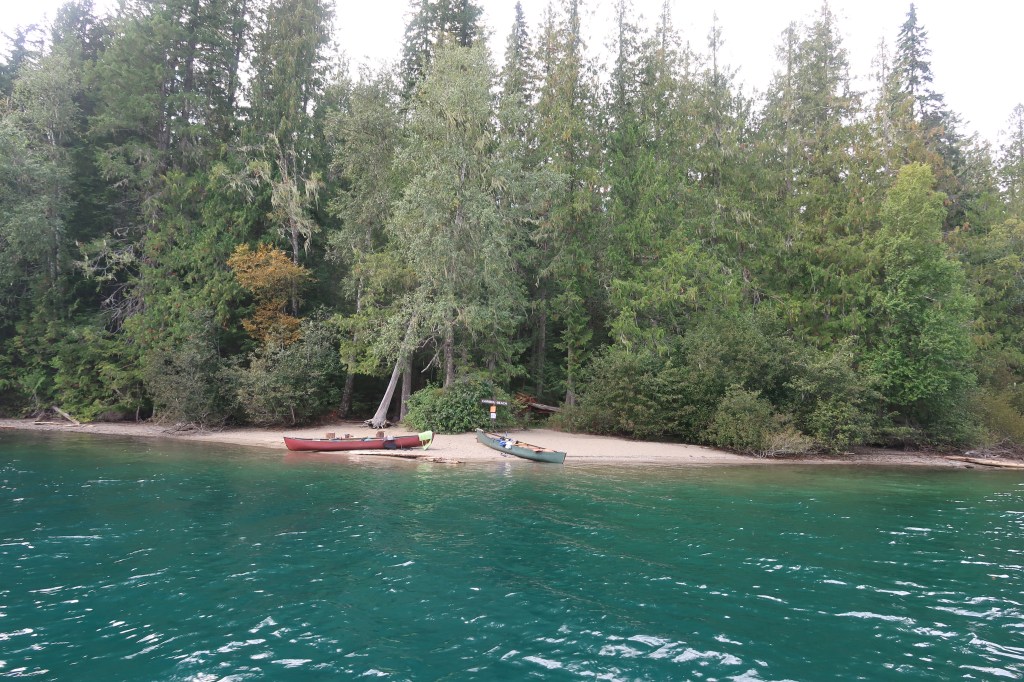
Serene doesn’t begin to describe Clearwater Lake and the individual beach campsites all around it. You’ll need a canoe or kayak to get to those sites, you can also portage your craft into Azure Lake for an even more remote camping experience.

I had to drag myself away from Wells Gray Provincial Park and the Monashee Mountains for the Rockies awaited. Not just any Rockies, either; the tallest mountain in the Rockies.

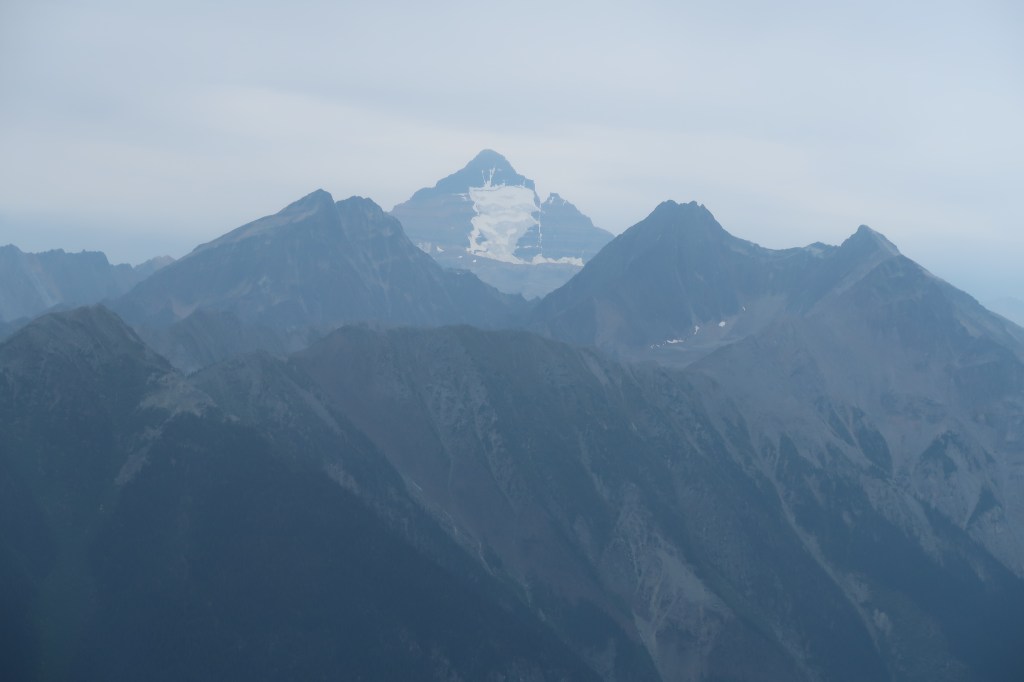
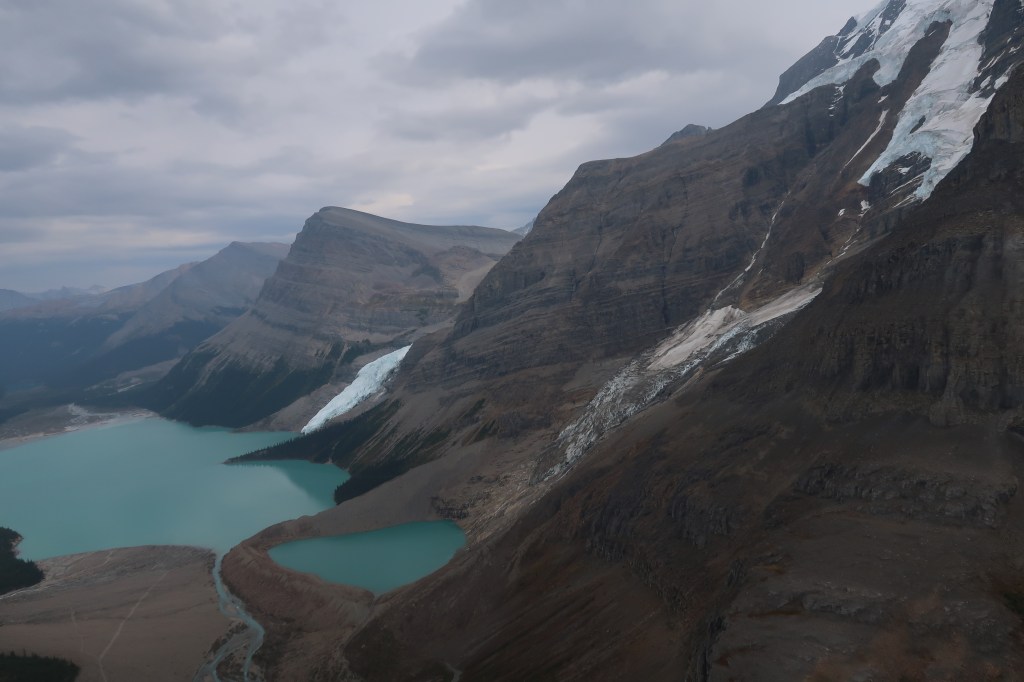
I’m not a climber and so it’s rare for me to see the top of a tall mountain. Thanks, though, to Robson Helimagic I was able to soar close to the top of 3,954m Mount Robson on a flightseeing tour that was 45 minutes of sheer awesomeness. Even at the flying height of the helicopter the mountains in and around Mount Robson Provincial Park looked immense.

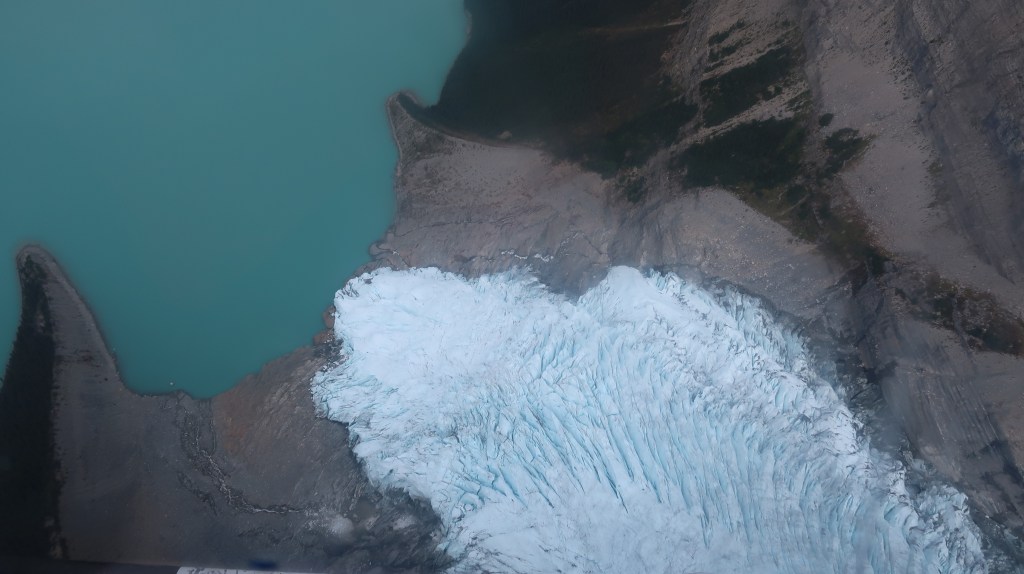
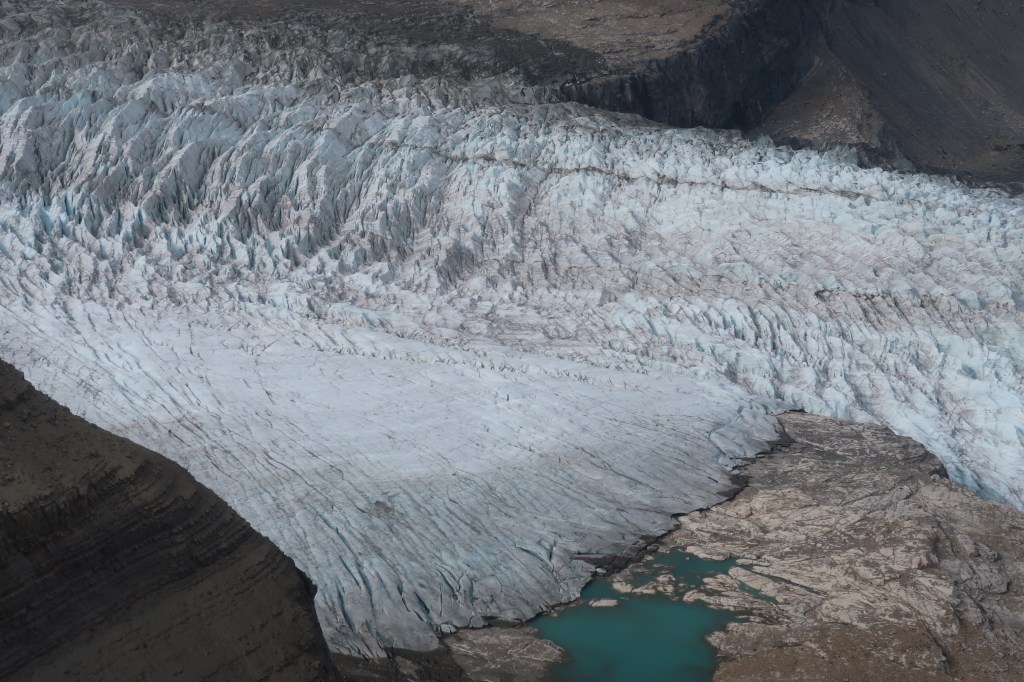
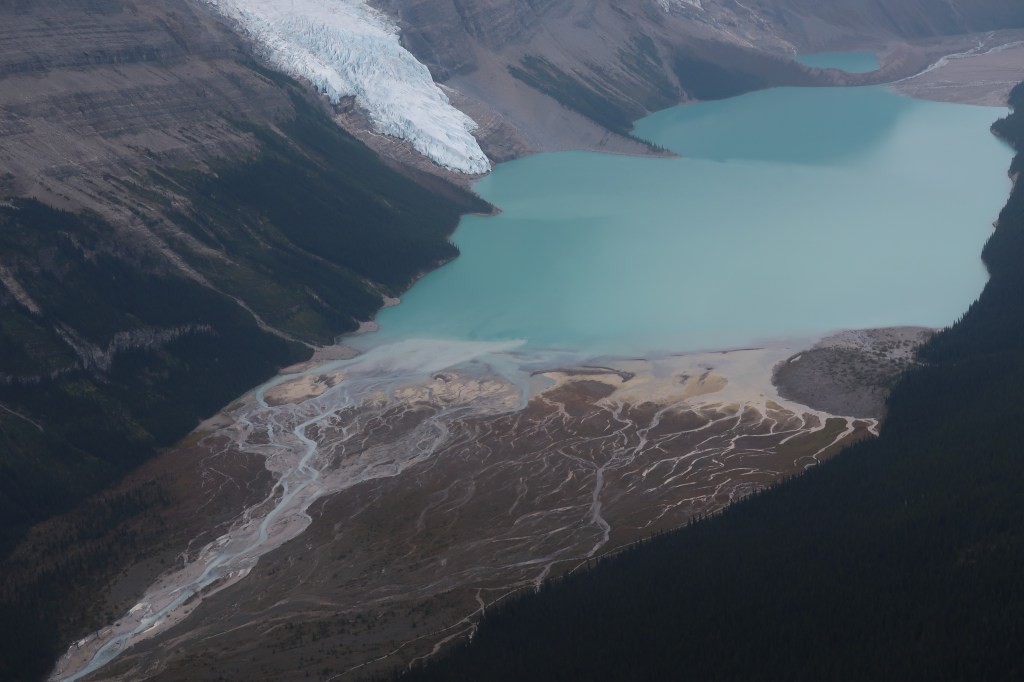
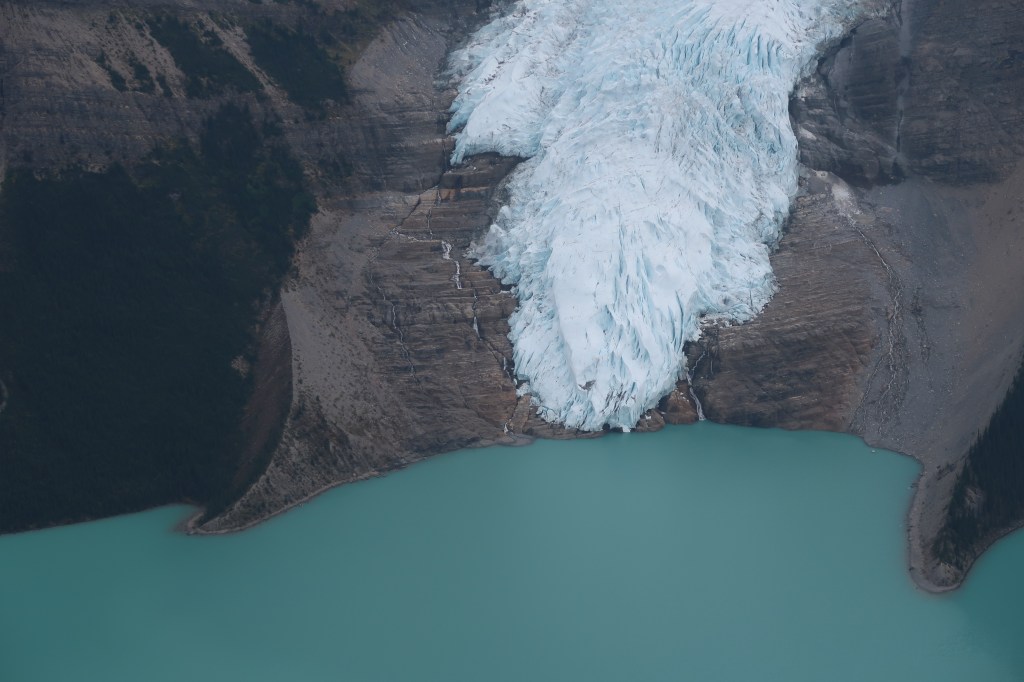
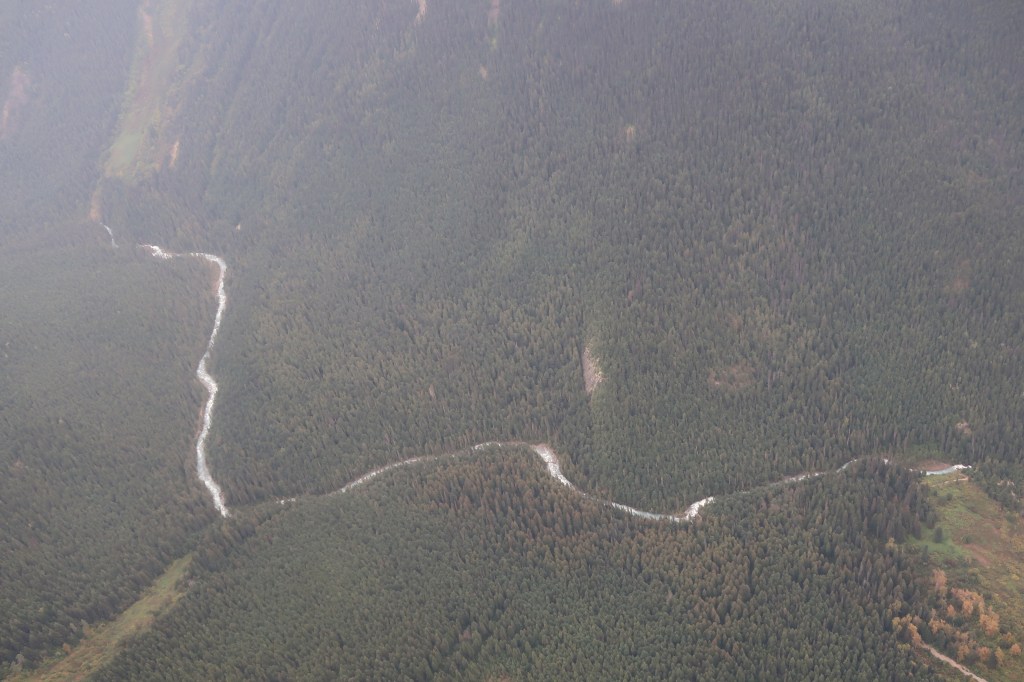
The highlight of this helicopter tour was being able to peer over – and int0 – long tongues of glaciers where blue ice appeared among the crevasses. Below the glaciers were large lakes and forests and the promise of some epic hikes. Yet another place I must return to.

My journey, though, would go beyond those mountains and in to Alberta. This Rainforest to Rockies route had ticked all of my many boxes when it comes to adventure, the great outdoors and a large dose of culture, too. There are few routes I’ve been on where the scenery is quite so consistently spectacular.

Where I stayed

Vancouver: Fairmont Waterfront
Whistler: Fairmont Chateau Whistler
Kamloops: Sandman Signature Kamloops Hotel
Clearwater: Quality Inn & Suites

Adventure in Sri Lanka

Away from Sri Lanka’s most popular tourist spots adventure can be found on chilly plains, along raging rivers and in peaceful national parks.

Pekoe Trail Stage 22

Watching the sun go down from a wide sandy beach was the calm before the frenetic adventurous storm. It was the perfect sunset: multi-hued with a one-masted fishing boat silhouetted against the Indian Ocean.

Canyoning near the Kelani River

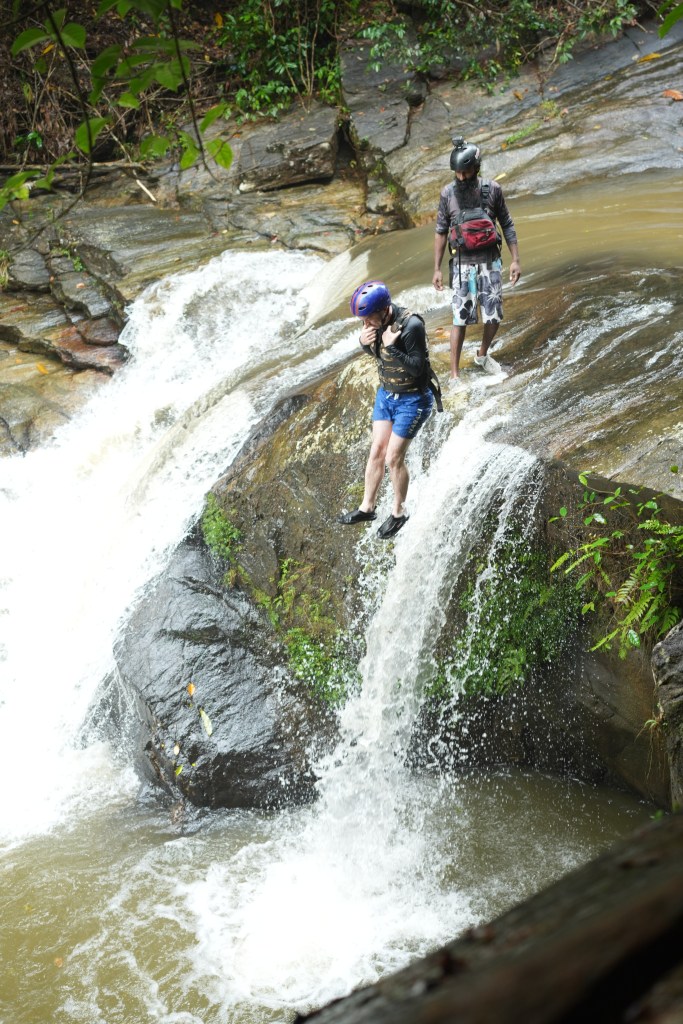
Contrast with the next day’s experience: a tropical rain storm while bouncing down the white water of Kelani River, one part of which was once the set for the 1957 film The Bridge On The River Kwai (footings for the movie set bridge can still be seen today). I’m a big fan of white water rafting and this river’s grade III rapids provided enough thrills to paint a permanent smile on my face. My smile may have dipped slightly when faced with the prospect of canyoning halfway through our river trip.

Full of raging storm water, the canyon offered opportunities to jump and slide from varying heights into swirling pools. Happy with leaping in at heights of 4 metres I tried to recall the wording on my insurance document and drew the line when I was given the chance to jump off a 10 metre cliff.

That evening I stayed at the Moksha hotel. Built on a small footprint so as to avoid removing as little rainforest as possible, this convenient yet isolated hotel rises three storeys and allows guests to have a canopy-eye view of the surrounding forest. There’s a swimming pool in which to cool off in and nearby access to waterfalls, temples and natural rock pools.

Jetwing St Andrew’s

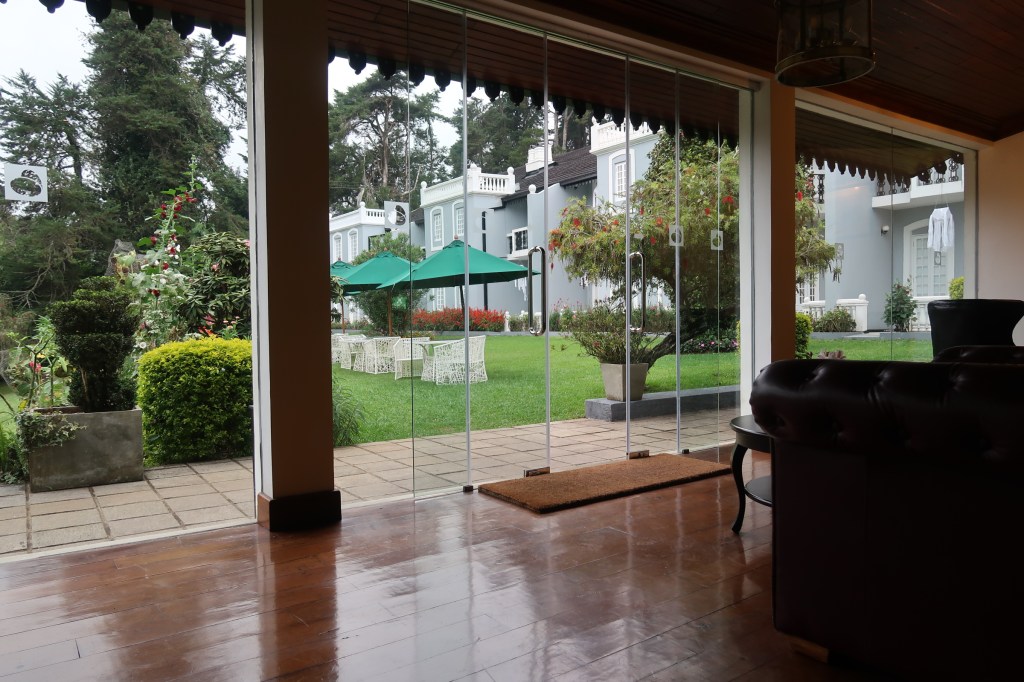
A heavy rain storm also met us in the chilly environs of Nuwara Eliya, high in the Sri Lankan mountains. Fortunately there was a festival featuring large brightly-lit lanterns to keep things cheerful, plus the fireplace in my hotel to keeps things warm. That hotel – Jetwing St Andrew’s – is this year marking 150 years since it was built. Heritage is infused throughout its large rooms and cosy public areas.

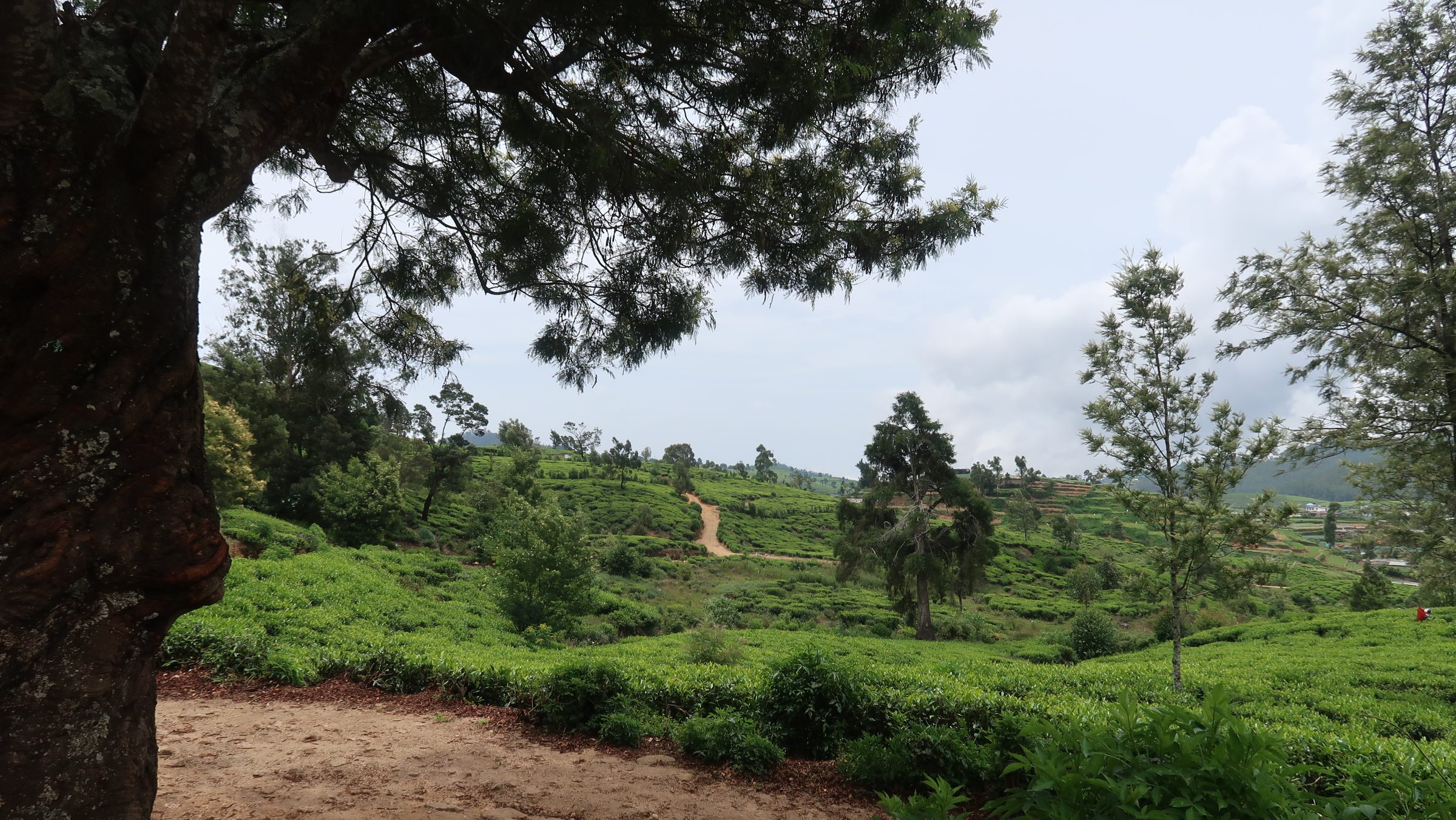
Thankfully I awoke to sunnier skies and eased into the day with a visit to the Pedro tea factory. In long troughs fresh leaves slowly begin to dry and emit a smell precisely like any other freshly cut foliage. After 24 hours these leaves are then rolled to encourage oxidisation before being transferred to ovens. Once fully dried the tea gets graded and sent in sacks to auction rooms in Colombo.

Pekoe Trail Stage 22

After enjoying a cup of the freshest tea I could ever hope to have, I met with Miguel, the founder of the Pekoe Trail. This 323km route winds through Sri Lanka’s highlands in 22 stages. We were hiking Stage 22, a scenic path from the tea factory and up beneath the flanks of 2,524m Pidurutalagala, Sri Lanka’s tallest mountain.

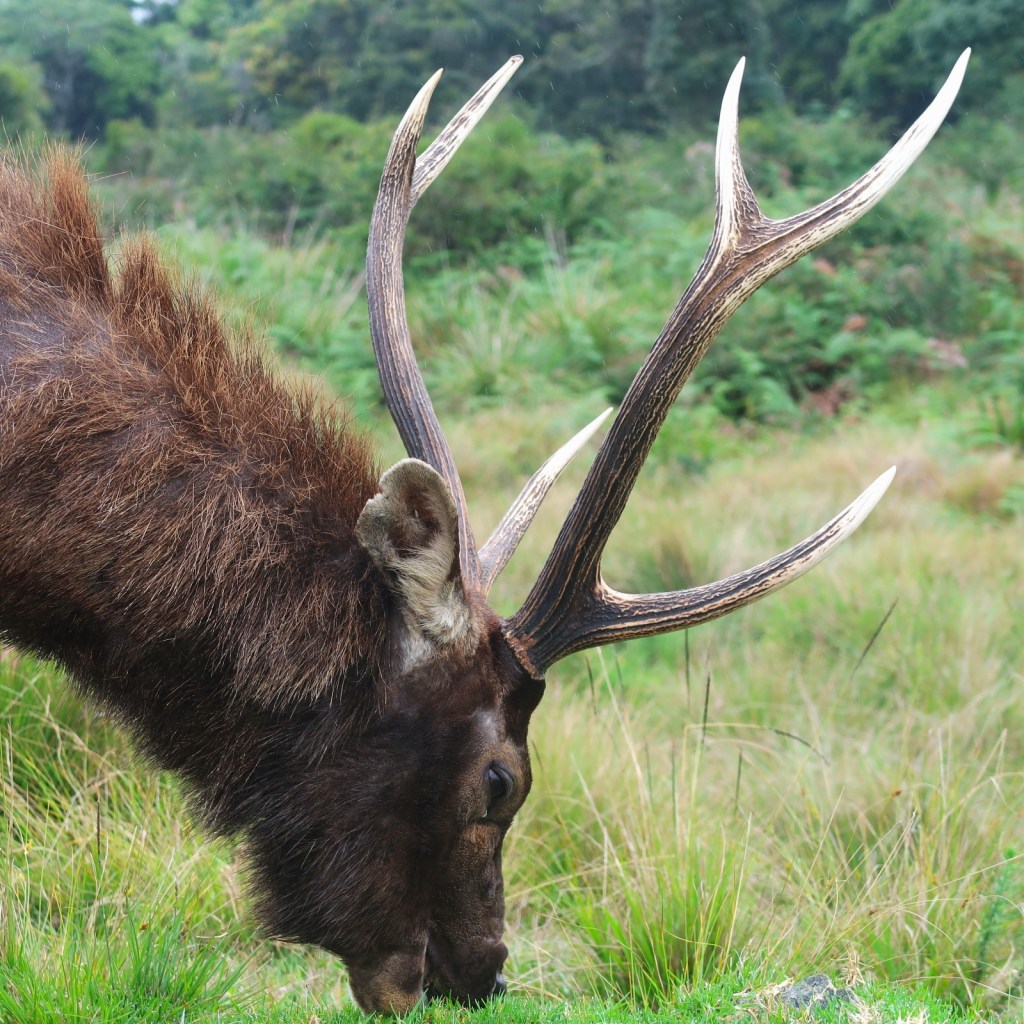
Sambar Deer, Horton Plains

When the British pushed into the interior of Sri Lanka to set up the tea plantations here they constructed vast networks of tracks and trails for the horses to bring sacks of tea leaves to the factories. It was fascinating listening to Miguel describe how he used old maps of routes to weave together the Pekoe Trail, a route which offers rich landscape variety and the opportunity to visit remote villages that tourists would otherwise not encounter.

It was a challenging 5am start the following morning, but one which was entirely worthwhile for someone who enjoys hiking as much as I do. Travelling by minibus up to the Horton Plains involved a tightly winding road through misty forests. Upon entering the plains we soon began to see herds of Sambar deer, their large black noses pointing interestedly at us through the murk.

My hike up on the plains hovered at around 2,100m. It was cold up here and I was grateful that I’d brought a jacket. As I set off along a trail the weather began to clear and I could more easily see the knotty twists of dense forests huddling in patches among the vast plains.

World’s End viewpoint, Horton Plains

This was a relatively easy hike with a nice wide trail to follow and few inclines. More challenging hikes exist up here, including up to Sri Lanka’s second and fourth highest peaks. Today I walked to Mini World’s End, a stupendous viewpoint that looked south over Sri Lanka’s highlands. A short way beyond this was World’s End itself, an even higher viewpoint with an 850m drop to the lush valley floor below. Not great with heights, I stood well back from the edge and enjoyed the view of clouds scudding over the forests.

It’s easy to arrange a minibus from Nurawa Eliya to Horton Plains. It’s not necessary to have a guide but they can be very useful in identifying bird calls and animal tracks. If you’re very, very lucky you may even spot a rare leopard up there.

As if to showcase Sri Lanka’s easy-to-access diversity of landscapes, within a couple of hours of my visit to the chilly highlands I was in the more tropical environs surrounding Ella, sipping tea in yet another plantation and dodging legions of leeches. A couple hours more and I was back on the coast, this time beside Yala National Park.

My accommodation tonight was just a couple of miles away from the park’s boundaries and so, unbounded by fences, there was the very real possibility of elephants marching through the hotel’s grounds. Signs warn against going to the beach at and after dusk, with animals posing a risk to guests. I marvelled at a herd of deer passing through the thick forest just beyond the veranda of my luxurious bungalow.

Crocodile in Yala National Park

‘Wild’ is a good description for some of the weather I experienced here. It was the start of the monsoon season and it was a thrill to watch a storm move in across the sea and break against the immense floor-to-ceiling windows of the lodge’s restaurant. Such stormy intrusions were, however, brief and it was beneath sunny skies that I ventured into Yala National Park in the hopes of spotting leopards.

No leopards were seen, however, although herds of elephant, troops of monkeys and menacing logs of crocodiles were in abundance. This is a busy park, popular with other 4x4s transporting tourists from watering hole to watering hole. Much more peaceful was nearby Bundala National Park, famous for the vast numbers of bird species (my favourite was the red-faced Painted Stork).

Painted Stork

Completing my circuit of highlands and wild parks, I followed the coast to the ancient city of Galle before closing the loop at Colombo.

I couldn’t write this post about Sri Lanka without mentioning the people and the food. Everywhere I went in the country I was met with kindness and smiles. Sri Lanka has in recent years really begun to open up to tourism and, while there may be particularly popular places such as Adam’s Peak, there are plenty more destinations that are equally fascinating and with locals that genuinely welcome visitors.

There is much to recommend about Sri Lanka’s cuisine too. It’s fresh, flavoursome and highly varied. During the ten days I was in the country I tried something different at every meal and didn’t once eat anything that wasn’t delicious. This was a real culinary adventure!

Who I travelled with

This was a press trip with the British Guild of Travel Writers, organised by the Sri Lankan Tourist Board. Our journey was conducted by Blue Lanka Tours and I had Videsh as my guide. Videsh worked incredibly hard on this action-packed itinerary (we often had 17-hour days and more than just the one 5am start!) and his passion for his country was infectious. I can’t wait to go back to Sri Lanka to see more of the country.

Where I stayed

Negombo: Jetwing Beach
Kitulgala: Moksha
Nuwara Eliya: Jetwing St Andrews
Ella: Amba Estate
Yala National Park: Jetwing Jungle Lodge
Galle: Jetwing Lighthouse
Colombo: Jetwing Colombo Seven

Ancient Gรถrlitz’s perfectly preserved premises

Get to know the Saxon city of Gรถrlitz where 4000 centuries-old buildings congregate to make scenes beloved by Hollywood directors.

View down Gรถrlitz's BrรผderstraรŸe towards Untermarkt. Pastel0coloured ornate buildings line the street and a grand tower can be seen at the end of the street
BrรผderstraรŸe, Gรถrlitz, linking Untermarkt and Obermarkt

Having won an Interrail ticket from the very excellent Rail Europe I now had the challenge of thinking up a route. Turning to fellow bloggers, I remembered this inspirational piece by Solo Travel Story and added the town of Gรถrlitz to my itinerary. I’d never heard of it before; it doesn’t feature much in the British travel press. When it became apparent that this was a very special place I marvelled at how little coverage it gets.

As with so much of Europe what makes an old town or city unique is how unscathed its buildings are following the various violent episodes of the continent’s history. The entire city centre still retains buildings dating back over 500 years. In fact there are over 4000 well-preserved or restored buildings here that were constructed as early as the 1500s, with Gothic, Baroque, Renaissance and Art Nouveau architecture all represented.

A tall and narrow clock tower featuring several clocks and a think black roof is visible through a stone arch, in front is a small square with old buildings
Gรถrlitz’s Old Town Hall

This ever-evident history envelops you as you walk along the city’s cobbled streets. There’s the Baroque Brauner Hirsch (Brown Deer) building, first mentioned in 1403, reconstructed in 1722, and named after the statue prominently poking out from the corner. Across the square is the Schรถnhof, Gรถrlitz’s oldest Renaissance building, with ceilings and wall paintings dating back to the 16th century (the Silesian Museum inside is well worth a visit). It’s very hard to miss the slender Old Town Hall (Rathaus), the tower of which was built in the 16th century and features elaborate clocks plus an audibly roaring lion.

I’ve barely touched on the old buildings that are must-sees, if I continued then this story would be full of architecture (again, do check out Solo Travel Story’s piece for more detail). For now I’m going to continue along the Via Regia – the ancient royal highway that spans 4,500km from Moscow to Santiago de Compostela – down to the Lusatian Neisse river which, at the time of my visit, was heavily swollen by rainwater.

A wide river is visible through an old and worn stone window, buildings cluster on the other side of the river and a narrow bridge can be seen crossing the water
Looking across the Lusatian Neisse river to Poland

One of the many incredible aspects of the European Union is how countries which not so long ago were at war now seemingly have no border at all. The Lusatian Neisse is the border between Germany and Poland and a wide pedestrianised bridge crosses the river, but apart from some very subtle CCTV on the German side there’s nothing to indicate you’re walking from one country to the next. Long may this be the case, although I know that things are already taking a turn for the worse.

The Polish side of the city is called Zgorzelec and, although it still has some old buildings, there aren’t anywhere near as many as in Gรถrlitz. I recommend strolling along the river to the Czarna Caffka cafรฉ for generous portions of delicious cakes. Still on the Polish side the imaginatively-named Food Court just to the north of the bridge is a great place to enjoy an al fresco drink while watching the sun set.

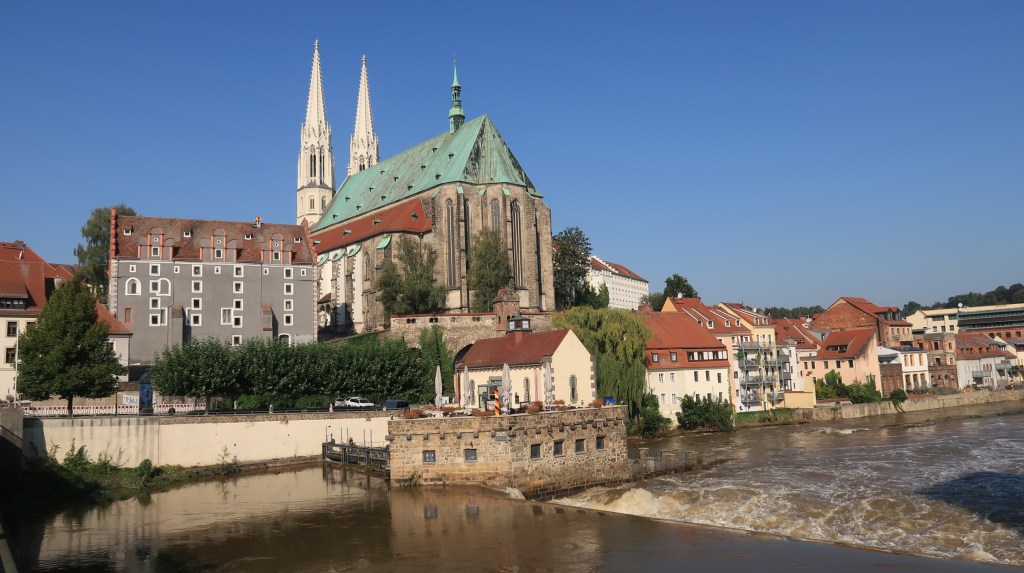
A large Gothic church rises above old buildings, a wide river rushes over a weir in the foreground
St Peter’s Church, Gรถrlitz

Crossing back into Germany affords an excellent view of the Woad House, the origins of which can be traced to the 12th century, as well as Gรถrlitz’s Gothic St Peter’s Church, the largest of its kind in Saxony and completed in 1497. On certain days (see here) at midday there’s a recital featuring the special organ – built in 1703 by a famous Italian organ maker – which can mimic bird song. Have a listen below:

Because of Gรถrlitz’s pristine streets, and because they have consequently attracted myriad movie makers, the city has earned the moniker “Gรถrliwood“. One of my favourite films is The Grand Budapest Hotel and, lo and behold, everywhere I turned in Gรถrlitz I recognised a scene. Wes Anderson and cast spent 10 weeks in 2013 filming here, the hotel itself is the city’s Kaufhaus Gรถrlitz, a splendid early 20th century department story. Hopefully it’ll reopen soon but for now, if you’re a fan like me, you’ll have to peer through the glass doors and slowly come to the realisation that you’re looking at the lobby of the eponymous hotel.

A large Art Deco style stone building with tall narrow windows
Kaufhaus Gรถrlitz, AKA The Grand Budapest Hotel

Normally I’d recommend a hotel and restaurant in a post such as this, but as I was travelling solo and on a very strict budget where I stayed and ate may not be to most peoples’ taste. The hotel was the perfectly functional Gรคstehaus Lisakowski, a pleasant 15-minute walk through Baroque streets to where the main sights of the city are located. The lovely old Turkish man at Ali’s Imbiss kebab place who spoke not only his own language but German too unfortunately didn’t speak a word of English. Despite my terrible German we managed to sufficiently understand one another for me to order a HUGE and delicious meal for less than โ‚ฌ9.

As you can see there’s much to commend a visit to Gรถrlitz. It should absolutely be a UNESCO-listed site, not least for its impressive Hall Houses. Alas it still only remains a contender. The city is directly connected by train to Dresden, which is where you’ll find the nearest airport. I took a Flixbus from Berlin, transferring in Dresden (which is well worth spending time in), a journey of around 6 hours.

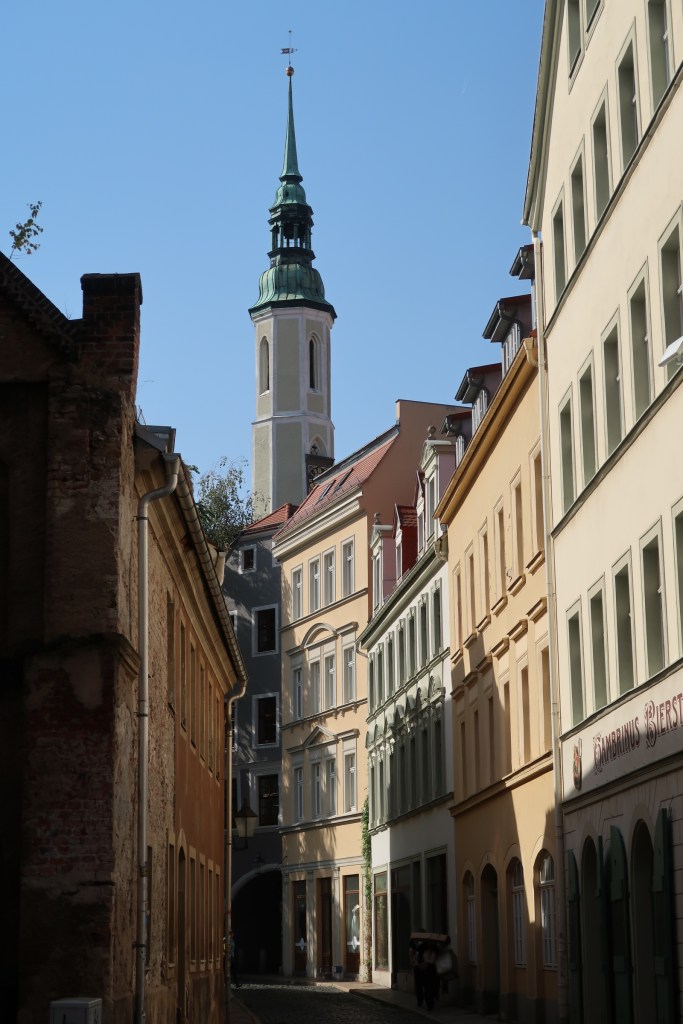
Looking down a narrow curving street with old pastel-coloured buildings either side and a point tower in the background
Typical Gรถrlitz street

How has Brexit impacted my travels?

My personal experiences of the impacts from Brexit, five years after it was officially enacted.

If you don’t live in the UK then you may have not noticed many of the effects from Brexit, which was officially enacted five years ago. If you do live in the UK then, if you work in the tourism industry or have travelled abroad since 31 January 2020 then you may have noticed some changes. In no particular order, this is what I, personally, have seen:

A dimly-lit train station with several trains at platforms, viewed from above at one end
Gare du Nord, Paris
  • Border waiting times. At either St Pancras or in various airports I’ve noticed longer queues as more checks are now required to leave the UK. When arriving in foreign countries having to now go into non-EU queues has meant longer waiting times (usually because travellers from outside of Europe are subjected to deeper questioning)
  • Passport cost. Now every time I enter the EU I get a stamp, because my passport gets stamped on exit, too, that’s half a page of my passport being used for each EU trip. With a 54-page UK passport costing ยฃ100.50, that works out as an additional ยฃ0.93p expense per trip
  • Time in Europe. I’d long planned to spend a year or so living in Europe, and had found somewhere to live in April 2016. Then Brexit happened. Now it’s become financially impossible to live in most of the EU and I have to be vigilant for how long I spend there so as not to go over my 90 days in 180 day allowance
  • Currency cost. Since the Brexit referendum was first announced in May 2015 the GBPยฃ has devalued against the โ‚ฌ by about 13%. Holding a currency that has weakened that much in just a few years has made travelling to the Eurozone noticeably more expensive
  • Health insurance. I’m no longer eligible for a free European Health Insurance Card (EHIC). Although I can get a Global Health Insurance Card (GHIC) this, unlike the EHIC, does not cover Norway, Iceland, Liechtenstein, or Switzerland
  • Since Brexit was enacted I have got a dog. Before Brexit I could get a pet passport – a relatively simple process – but now taking Bounty out of the UK will involve an Animal Health Certificate, a more convoluted (and costly) process

I live in a very touristy area (30 million people visit my neighbourhood every year) and so I have noticed one positive about Brexit on local tourism: it seems much busier here, although this could partly be the post-pandemic travel boom in action. Because the UK has become so much cheaper for so many people it’s now far more affordable. Unfortunately the hotels and restaurants where these people eat are shutting at an incredible rate in part because of how many hospitality workers have returned to the EU with not enough skilled UK workers to replace them.

Side view of a Eurostar train which is so long it disappears into the distance. On the left is a train station platform and above a large, curved glass ceiling
A Eurostar train in St Pancras

In summary: for me there is nothing to celebrate on this, the fifth anniversary of the implementation of Brexit and there seems to be zero political will to rectify the situation despite overwhelming evidence that the British public isn’t happy with the vast distance that’s been placed between us and the EU.

A January cruise in the North Sea

Freezing temperatures, high seas and grim ferry ports. These are my high- and low-lights of a cheap MSC cruise in early January.

Somehow I’d managed to find a very good cruise deal. And then I contacted Kerry at Cruise.co.uk and she managed to get me an even better deal. ยฃ363 per person for a balcony cabin on an eight-day cruise. With food and energy costs it was almost cheaper to go on this holiday than it was to stay at home.

Large cruise ship in front of tall skyscrapers in Rotterdam
MSC Preziosa docked in Rotterdam

Southampton is a fun port to cruise from and, if ever you do depart from here, I heartily recommend spending at least one night in the city before boarding. I’ve even extolled its virtues for a popular US cruise magazine. There’s plenty to see as you sail away, such as the dock from where Titanic sailed, the edge of the New Forest, and the massive Fawley refinery. I was mostly looking to see if MSC Preziosa had been connected to Southampton’s shoreside power, so that it wouldn’t be running its highly-polluting engine. Happily I saw that, yes, there was the connection.

Some time, during that first night, we sailed far into the Solent and out beyond the English Channel into the high waves of the North Sea. The first full day was a sea day. Preziosa powered through the water while smaller ships (without cruise ship stabiliser systems) endured waves crashing over their decks. This was a good opportunity to get some writing done, on a cabin sofa that was stained, and marked with cigarette burns. In the ship bars there were children everywhere. There was a ‘library’, but this consisted of a single shelf, bare except for about a dozen dog-eared books.

A large piece of equipment sits on the dockside, a wide arm extending to the white ship behind and carrying several big cables
Shoreside power in Southampton

For relaxation there was a choice of indoor hot tubs, filled with children, or outdoor hot tubs, which can’t have been above the 37ยฐC the signs claimed them to be. Considering that’s body temperature it wasn’t the most relaxing of experiences, but kinda fun in the rain.

Rain turned to snow in Hamburg, but luckily we enjoyed most of that port day without any precipitation. It was when we were in the truly amazing Miniatur Wunderland that the snow hit. The return walk along the river, through the Old Elbe Tunnel and the dull warehouses beyond was made all the prettier by blanket of white.

A miniature seaside town with colourful buildings built into the cliff and a train threading between two tunnels
Miniatur Wunderland in Hamburg

MSC is an Italian cruise line but the food on board is severely lacking in that Italian flair. There’s a huge buffet area on the 14th deck (not so good when the ship’s rocking) and a main restaurant on the 5th and 6th decks, which has much the same quality of food but served by always-friendly wait staff. Nevertheless, there was always something OK to eat, the curries in the “Ethnic Foods” section being by far the best.

Zeebrugge is sold as the port for Bruges, just a short transfer away. Having already been to Bruges a couple of times we prioritised taking the Coastal Tram, second longest tram journey in the world, which stretched 42 miles from Knokke (near the Dutch border) to De Panne (near the French border; Belgium isn’t a huge country). I had fairly high expectations about this route, which were very much exceeded when it passes just metres from the huge beaches along this coast. Brief visits were made to pretty De Haan, ugly Ostend and -because we had a few hours to spare afterwards – the chocaholic’s heaven of Bruges.

Narrow tram tracks stretch into the distance, on the left a road with one car, on the right a wide sandy beach and the sea
View from the rear of Belgium’s Coastal Tram

For some reason the route doubled back on itself to Rotterdam. I like Rotterdam. I’ve written appreciatively about Rotterdam. Everyone I spoke with on the ship about this city had only good things to say about it. Cruise here, whether on the ocean or the Maas (aka Rhine) River and you’ll be docked smack bang in the centre.

Rotterdam also offers shoreside power but Preziosa did not connect to it, instead engine fumes filled our cabin to the extent that I could not bear to stay in it. MSC fail badly when it comes to environmental responsibility, as evidenced by their D+ grade on the Friend’s of the Earth’s Cruise Ship Report Card. I’m almost entirely certain that, despite us not wanting them to be, our towels were replaced twice a day every day. The cruise line didn’t respond to me when I asked why the ship hadn’t hooked up to shoreside power in Rotterdam.

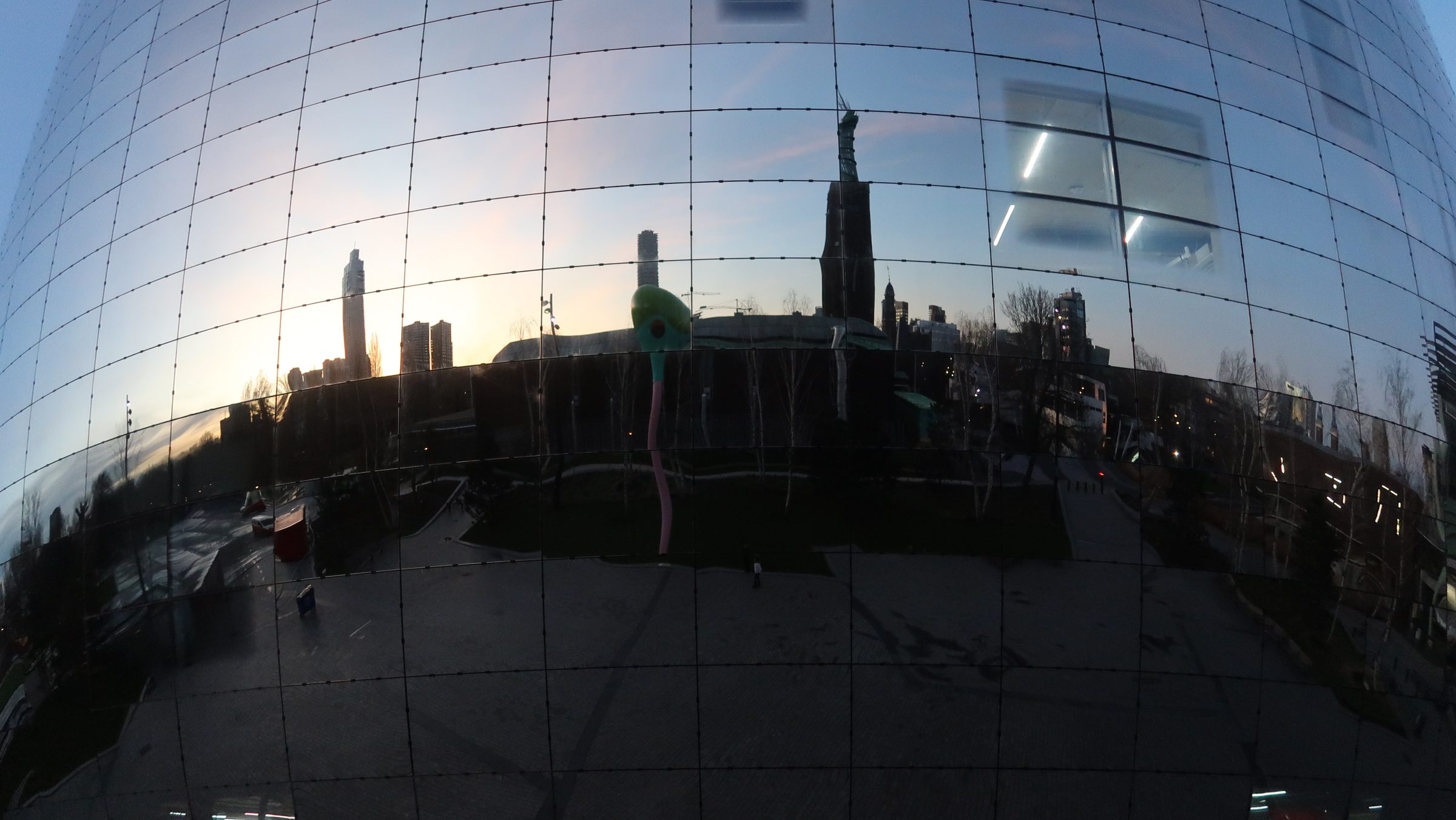
A cityscape is reflected in a bulbous mirrored building
The Depot, Rotterdam

Another wave-tastic sea day before arrival into Le Havre. Having once worked as a marketer in the cruise industry I know that this port is described thusly on itineraries: “Paris (Le Havre)”. Paris is, in fact at least a three hour transfer away, one way. We had a generous 12 hours in Le Havre, which would have meant that anyone that did take this excursion would have had less than six hours in the capital city. We chose, instead, to visit charming Honfleur, a 45-minute bus ride south.

OK, so, we were paying less than ยฃ50/day for this cruise. I wasn’t expecting anything special, but MSC could have paid just a little more attention to food prep in the main dining rooms. It could have designated at least one bar for adults only. I was amazed that most of the hand sanitiser dispensers were empty. How quickly the pandemic has been forgotten, and how quickly norovirus could spread.

There were a couple of nights with excellent acrobatic entertainment. I don’t begrudge the indoor pool and hot tub area being inundated with children. The staff was wonderful. Considering the price, it wasn’t terrible value for money. But it was hard not to think of MSC as a Ryanair cruise line with Wetherspoon’s food.

Reading to Windsor hike

My experiences of this 32-mile Thames Path section

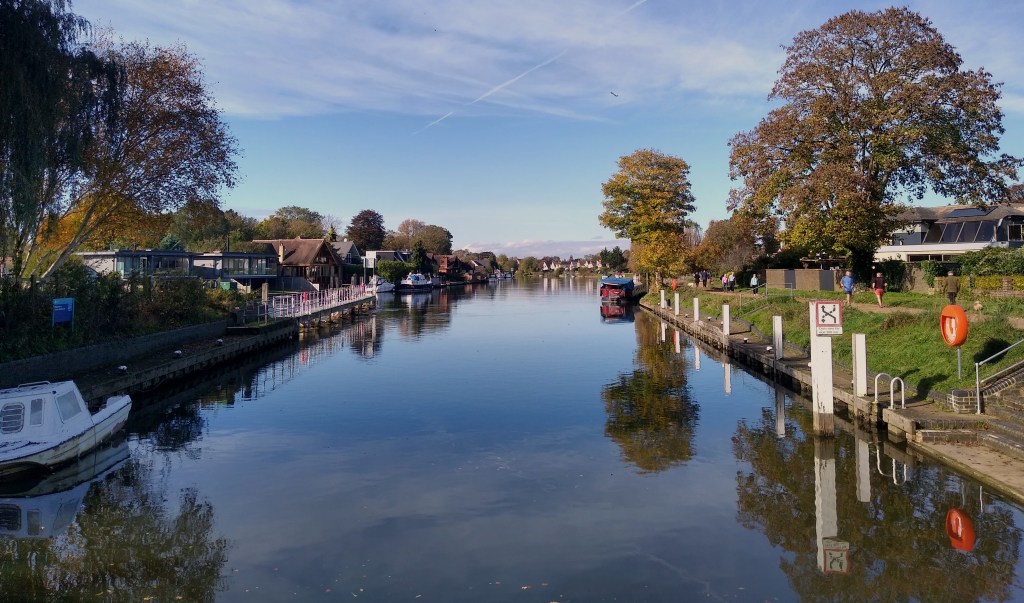
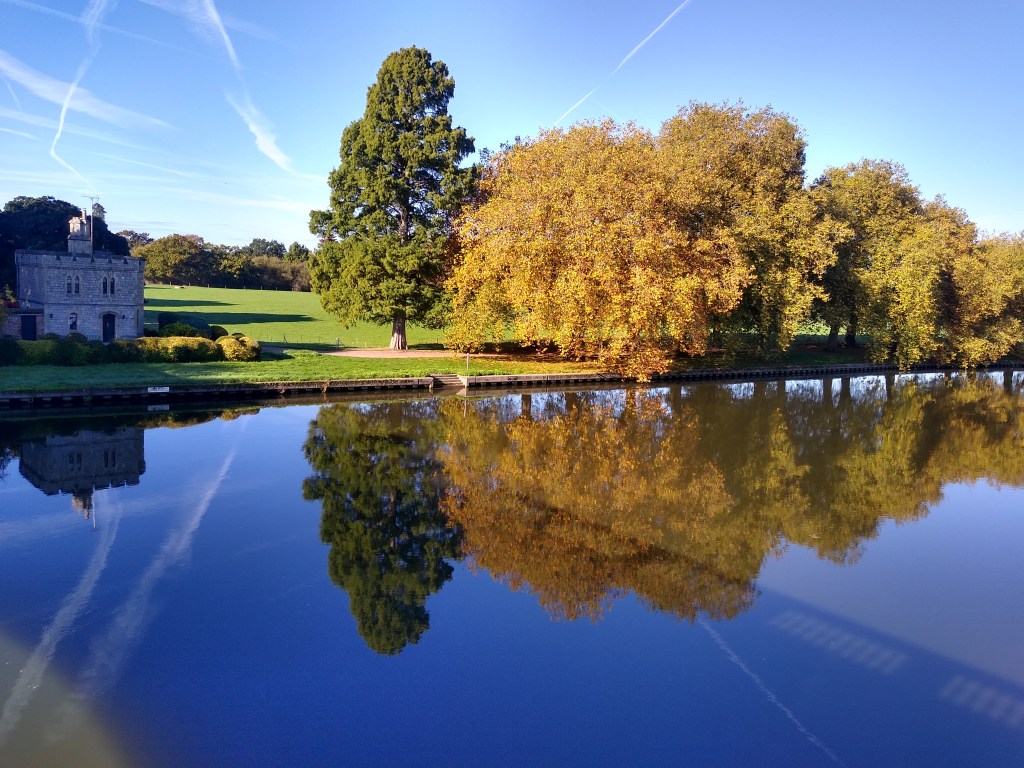
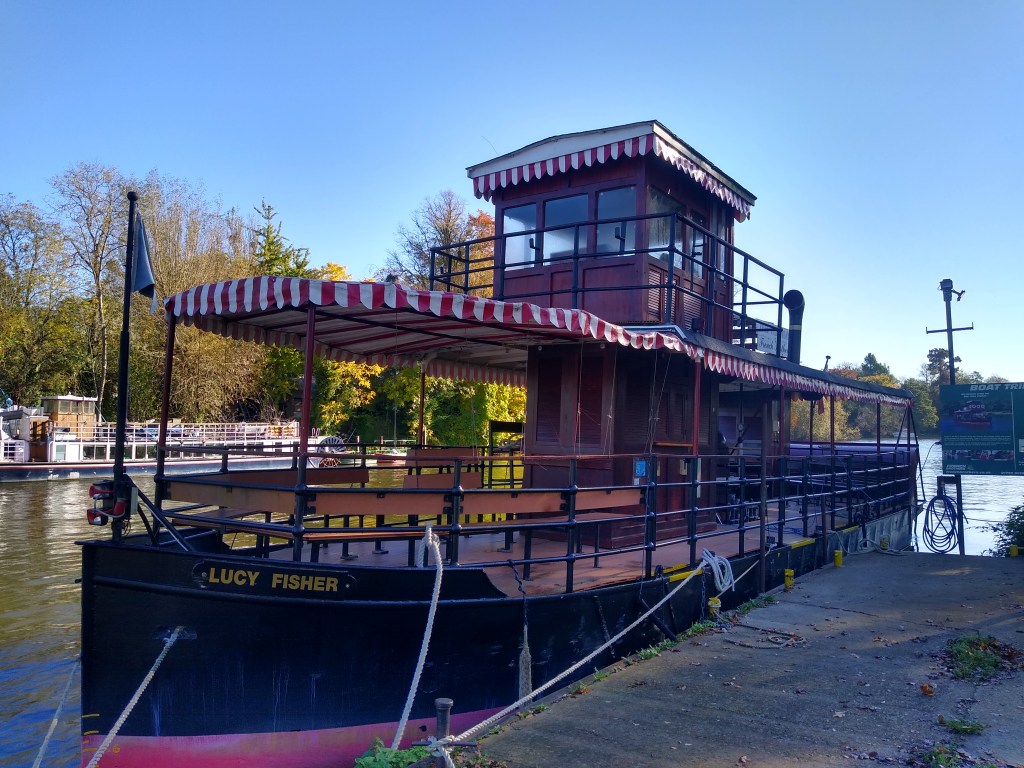
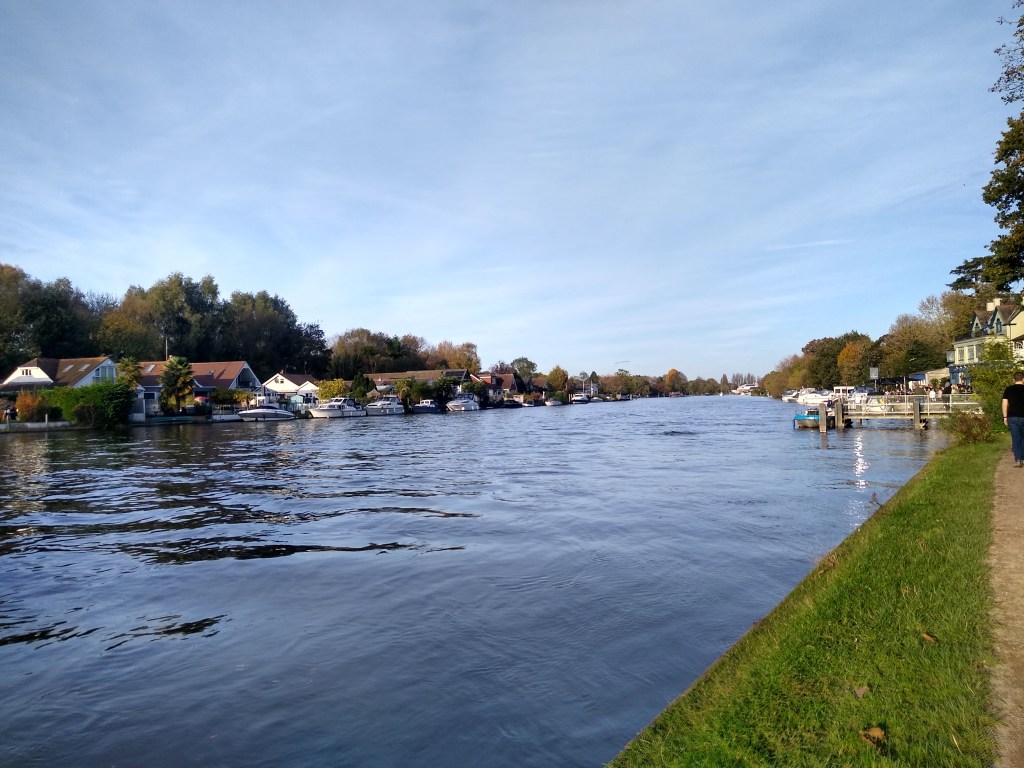
View of the Thames from Penton Hook Island

Another birthday, another section of the Thames Path to hike. This time, because I’ve gradually walked closer to home, I won’t be staying anywhere overnight but instead doing just a one-day hike. In 2022 I started in Kemble, Gloucestershire and ended at Oxford, then, later that year, I reversed direction and followed the path from Reading to Oxford. In 2023 I walked from Reading to Windsor. Now it’s time for the 20.5 mile Thames Path section from Windsor to Hampton.

Windsor to Hampton

It’s about an 80-minute journey from my home to Windsor, I set off early so that I could enjoy a breakfast treat at Greggs. I was glad to see that the river was in exactly the same place I’d left it last year, and that, although it was very full, it wasn’t currently flooding. October is a perilously rainy time of year to be walking beside a river in the UK.

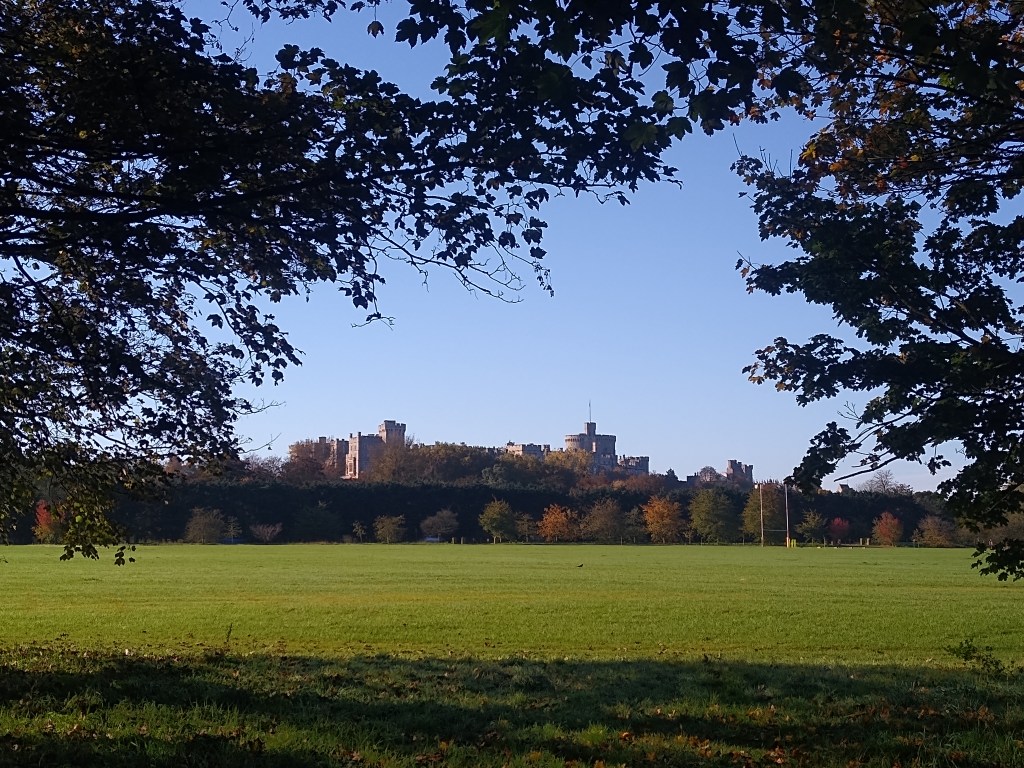
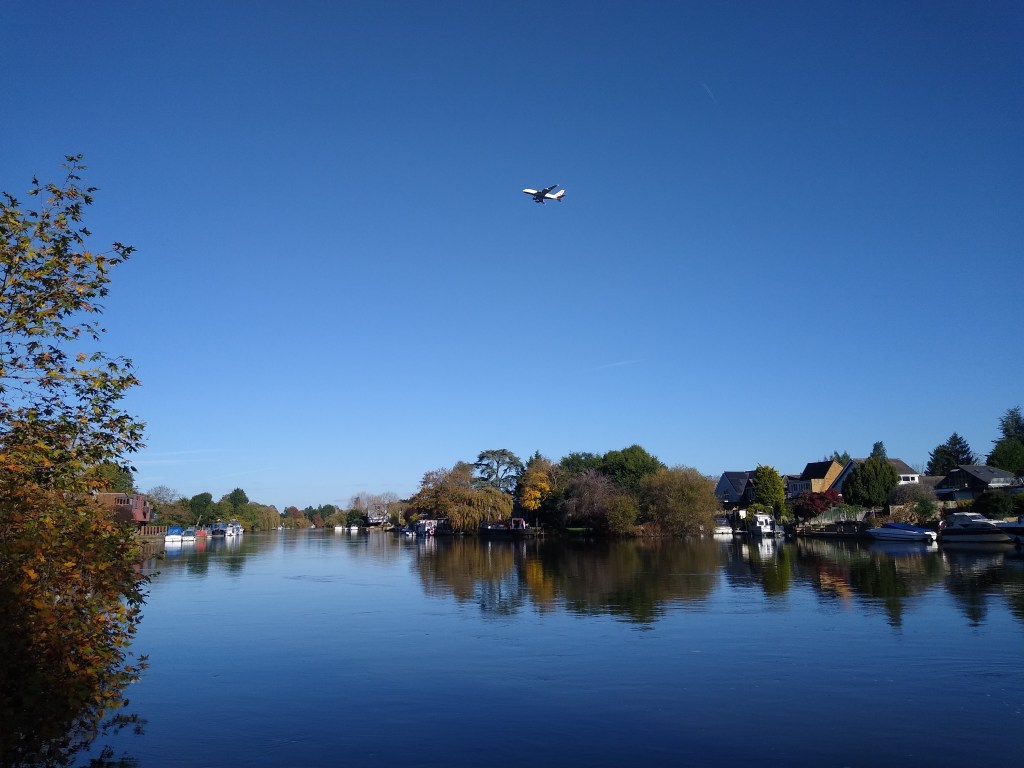
No more than 20 minutes from the bustle of Windsor the river curves in a magnificently wide arc and I’m treated to a rear view of the famous castle (in which lives by far the most expensive royal family in the world). I’m now aware that the rurality of previous sections is well behind me, my ears are constantly filled with the sounds of roads, and of airplanes landing at – or taking off from – busy Heathrow.

Despite the noise this remains a very pretty walk, with the river widening ever more and willow trees dipping their branches into the current. I’ve seen more rugby fields than football fields along the Thames Path, I think that’s going to change the closer I get to London.

The least enjoyable part of today’s walk is when the path dips away from the river and hikers are forced to walk through the edge of Datchet. Signs disappear and dangerous road crossings are necessary. I was grateful to turn my back on dangerously speeding drivers, and to follow the path back to the Thames.

Now directly under Heathrow’s flight path I arrived into Old Windsor. On the opposite riverbank the gardens of expensive houses rolled all the way to the water. From the Thames Path there’s little sign of the ‘old’ in ‘Old Windsor’, nevertheless I have an affection for this place because nearby is the dog’s home where we first met – then brought home – our little dog Bounty.

Although you’ll find no evidence of it today, the next section of today’s walk, Runnymede, is where in 1215 Magna Carta was signed. This document (and the various copies of it) declared that the king and his government were not above the law. Amazing then that, 810 years later, there are parts of the world which are reversing this freedom.

Although the atmosphere of Runnymede is somewhat ruined by the busy road running through it, the Thames and its path thankfully dip away into tranquillity, albeit briefly. Now it passes beneath the M25 motorway and now I feel as though I’m officially within the boundaries of London.

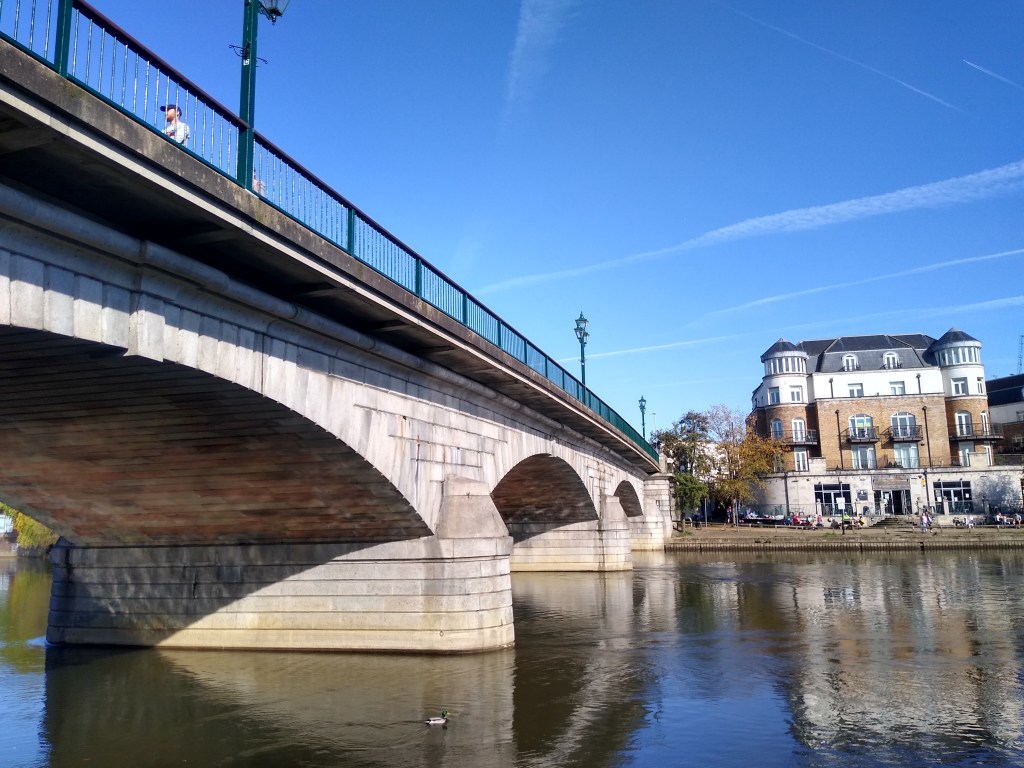
Next: Staines-Upon-Thames, not a place I previously thought would be particularly attractive, but the riverfront is very pretty. The Thames seems to beautify everywhere it passes through. When it meanders into a town it’s as if a special guest is visiting, and the best buildings and bridges are put out on show.

If you look at the Thames Path on a map you may see that, from this section onwards, it’s surrounded by suburbia. Thankfully, as I walk along the bank, there’s little sign of roads and buildings, which are mostly hidden by trees. At Shepperton I enjoyed a late lunch in the excellent – and very busy – Ferry Coffee Shop. As the name suggests, this is the point at which a small ferry can be taken across the river to continue along the Thames Path on the other side. Unfortunately, because the river is somewhat swollen, the ferry isn’t available today (it’s a notoriously unreliable service and costs ยฃ3.50).

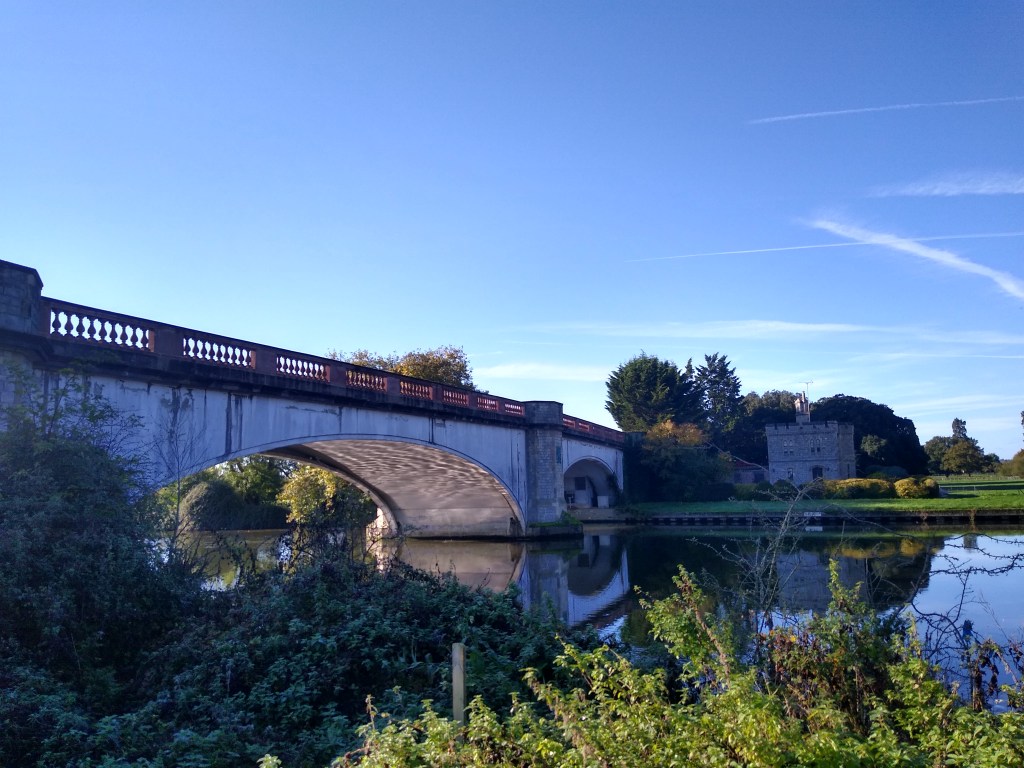
Fortunately there’s an alternative, if somewhat longer and less pretty route. After walking beside a road for 20minutes and then over a particularly ugly road bridge at Lower Halliford I’m riverside once again. From this point the river runs straight with not a single turn until just after Sunbury-on-Thames.

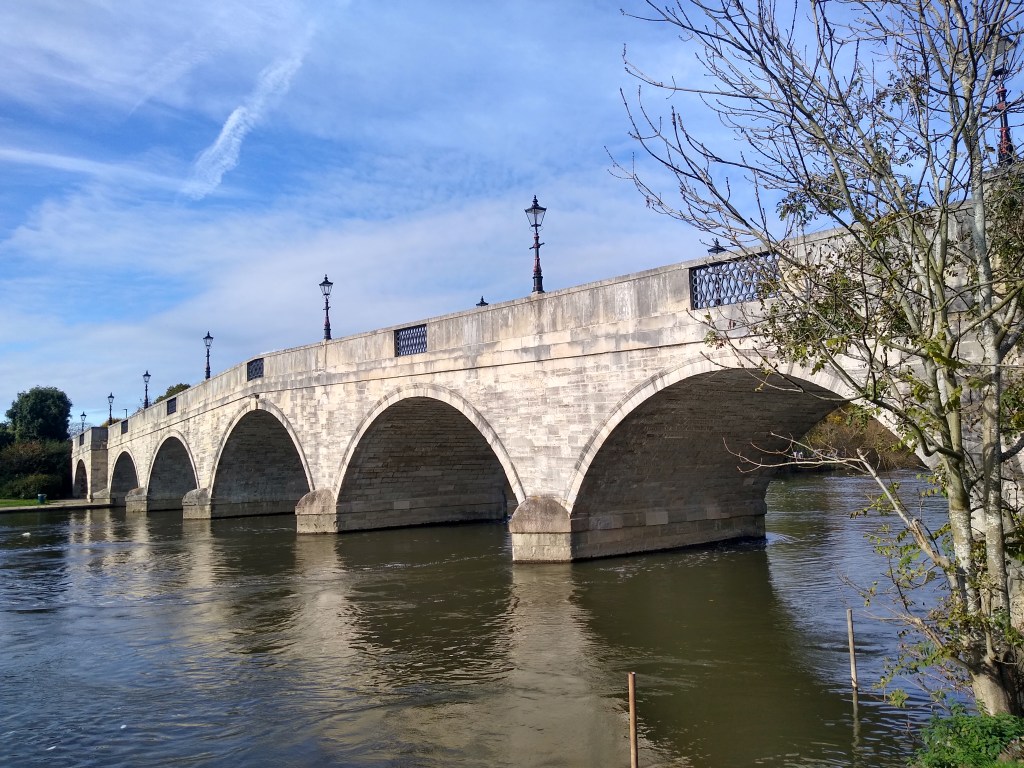
This being the end of October the sun is dipping below the horizon before 5pm. I’m therefore glad to see, across the river, a bright red London bus. Soon the long stone bridge at Hampton is visible. Here the Thames feels particularly wide, such a contrast with its humble beginnings.


Trip details

Total length: roughly 20.4 miles
Total walking time: 6 hours
Trains to Windsor: from London Paddington via Slough, taking 31 minutes
Trains from Hampton Court: to London Waterloo, a 37-minute journey

A city with perfect tourism. Almost.

Highlights of my visit to the Kazakh city of Turkestan

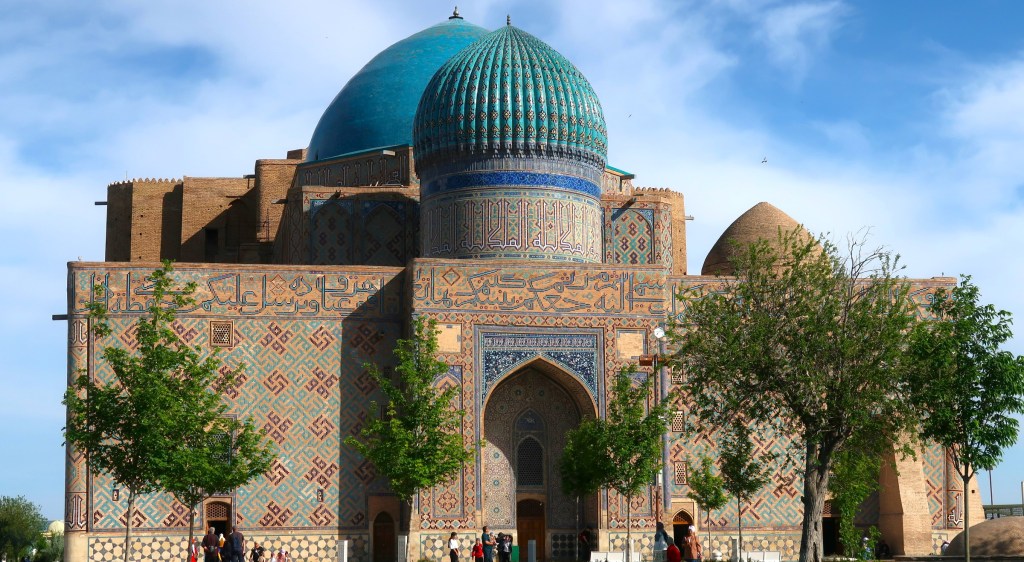
Khoja Ahmed Yasawi Mausoleum, Turkestan
Khoja Ahmed Yasawi Mausoleum

Turkestan was once a very important Silk Road City. Timur ordered the construction of the mausoleum here in 1389, in honour of poet Ahmed Yasawi. Locals can make three visits here in lieu of a pilgrimage to Mecca. Not far away is the ruined city of Sauran, located in the vast Steppe. In short, Turkestan has a lot going for it.

And then, in 2018, they built the Karavansary Complex, which, in my opinion, vastly increased Turkestan’s pull factor.

The mausoleum

I absolutely understand the urge to restore once-grand buildings that have fallen into disrepair. But in many instances restorations have been so thorough that it’s not possible to see what’s original and what is new. The mausoleum of Khoja Ahmed Yasawi, however, has been left relatively untouched over the centuries. The bricks and tiles you see today are the same bricks and tiles that were made in nearby Sauran or decorated by artisans from various Persian cities.

For all the splendour of the building’s exterior there isn’t much to see inside. So, let’s focus on those gorgeous blue domes, one of which has aesthetically-pleasing tubular lines billowing from top to bottom and decorated in such a way that reminds me of the finest silk rugs. The size of the mausoleum is also impressive: an immense 38.7 metres high. With few tourists around it was easy to just sit and gaze in awe.

The lost city

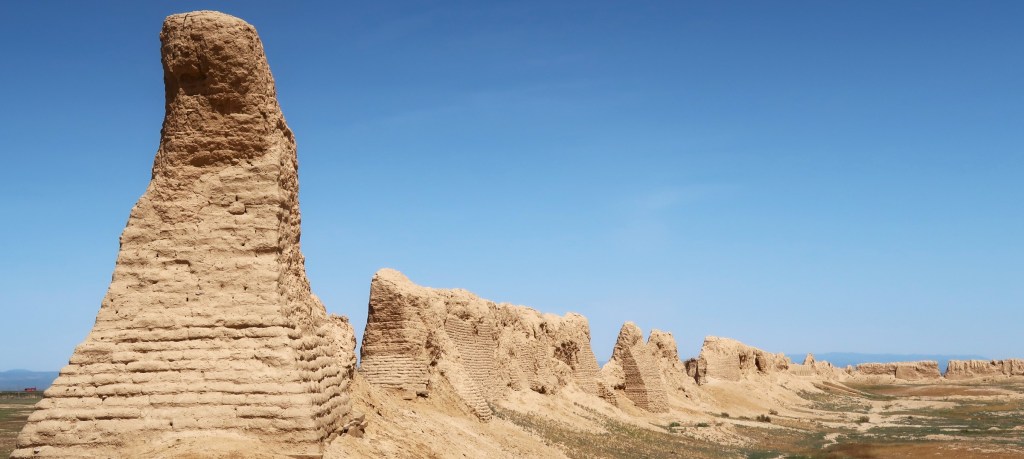
Sauran, near Turkestan
Ancient walls of Sauran

An hour north-west from the centre of Turkestan the ruins of Sauran rise from the interminable Steppe. This, too, was once an important city. Founded in the 6th century CE its leaders cleverly submitted to whichever marauder passed through, thus being spared by various khans and conquerors. They were also smart enough to construct channels from the nearby Syr Darya river, putting them underground so that the water wouldn’t evaporate in the hot Kazakh sun.

Just as the river began to meander further away, so, too, did the Silk Road, bringing an end to Sauran in 1515. Visitors (of whom we were the only ones) can walk around the decrepit walls, which look as though they’re slowly melting back into the ground. It’s peaceful and atmospheric place. Oh yes, there are turtles too.

The resort

Karavansaray, Turkestan

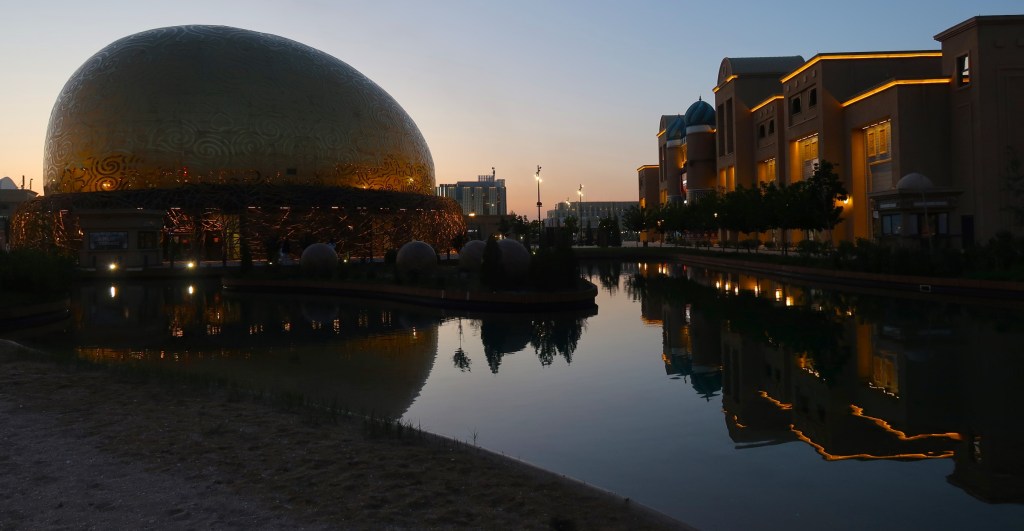
730 miles from the nearest sea (Caspian – the Aral Sea doesn’t count any more), in a place that receives just 37.9cm of rain annually, luxury hotel company Rixos decided to build a massive fake waterway. It’ll take you several minutes to walk from lake beside the giant golden dome – inside of which is a “flying theatre” showcasing Kazakh culture – along the long canal to an even larger lake surrounded by the domed and dun-coloured buildings of a luxury family hotel. This, then, is the magnificently tacky Karavansary.

Sadly we didn’t stray far from our hotel (Hampton Inn) for dinner and only had two nights to sample the cuisine. On both nights we made the mistake of going to Karavansary, with only the meagre portion of horsemeat plov served by Wow Plov proving barely adequate. No matter, though, for the real highlight of this place is the free show performed every night on the main lake. Nine characters from an ancient Kazakh story act out scenes on electrically-powered boats against a fake crenelated castle background. In the middle of the lake sky-high water jets gush and flames erupt in vague syncopation with the story.

The conclusion

Karavansary show, Turkestan
Karavansary show

It was absolutely worth going out of our way to visit Turkestan. The city and its nearby attractions are worth two days of your time, any more than that and you’ll run out of things to do. From Turkestan you could push north to see Baikonur (although that’s not so easy nowadays), or do as we did and head south east to Taraz and Kyrgyzstan.

It’s not currently possible to go inside the main section of the mausoleum due to (sensitive) restoration work and the choice of hotels and restaurants isn’t particularly great. There are also, apparently, excavations of Old Turkestan – once the centre of the ancient caravan trade – but for some reason it’s not possible to get in and see them.

The Karavansaray show happens every night at 8pm. Perhaps I was all domed-out after Uzbekistan and so didn’t fully appreciate the mausoleum but, embarrassingly, the show and the fake waterway it was performed on turned out to be my highlight.


Turkestan transport and hotels

๐Ÿจ

We stayed at the somewhat poor Hampton by Hilton, but it was OK value and in a good location.

๐ŸšŒ

Shared taxis depart for Turkestan from Shymkent when full. To get to Shymkent from the Uzbekistan border requires another shared taxi. It’s easily possible to get from Tashkent to Turkestan in a day.

๐Ÿš†

There’s a nightly sleeper train which departs Turkestan for Almaty at 00:27. It’s pretty comfortable. tickets can be purchased online using the link to the right.

Turkish Airlines and Wizz Air both fly to Turkestan from Istanbul/Abu Dhabi.

Top ^

Why I hike

Free, fun, and flippin’ satisfying, there are many reasons why I love to hike

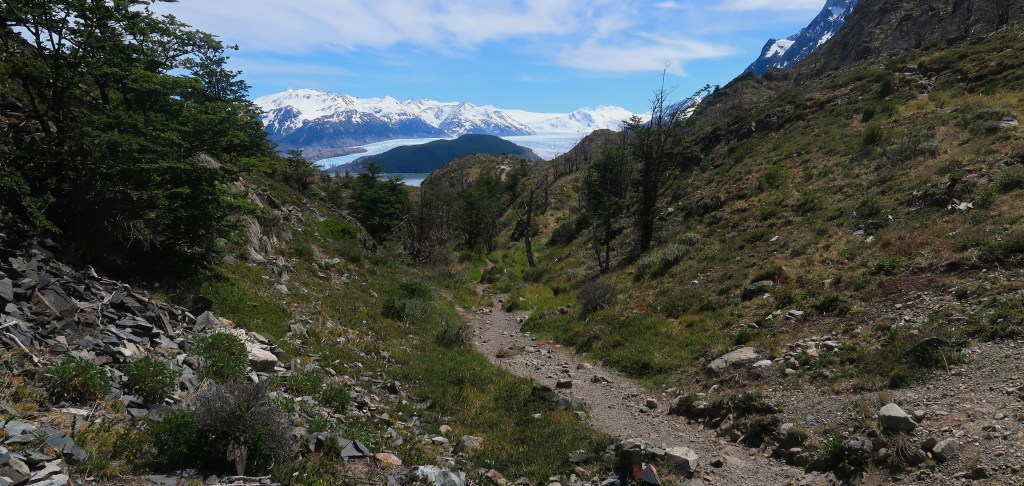
A section of the W Trek in Chilean Patagonia

Pushing through the door of an ancient pub in some remote part of England I catch a few brief glances. I’m not from ’round these parts, I have hiking boots on my feet and a weary but satisfied look on my face. My bulging backpack is full of kit I’ve slowly removed as the day warmed up, here I am now wearing a t-shirt on a cool Autumnal day. This is a timeless moment: the mysterious traveller arriving after dark, his route and motives unknown. What a thrill it is to be joining those who, through the centuries, have been that mysterious traveller.

No matter where I’ve hiked in the world I’m followed by that age-old satisfaction of arriving at a place on my own two feet and finding lodging. Whether it’s a teahouse high in the Himalayas, a logwood lodge far along a Tatras mountain trail, or a 17th Century pub somewhere along the River Thames, the feeling is exactly the same.

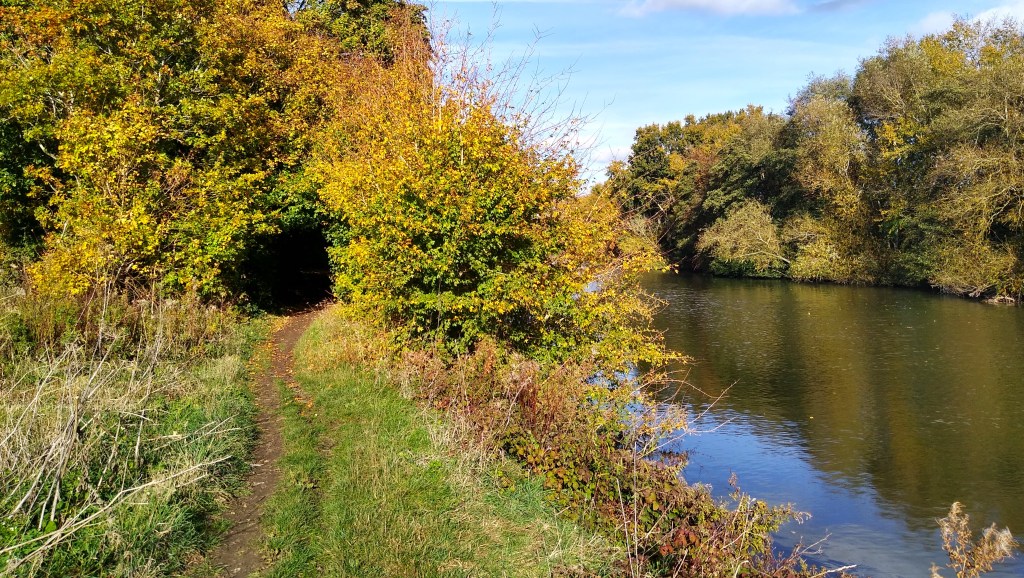
The Thames path, somewhere between Abingdon and Oxford

Being able to hike to the places I’ve been is a privilege I’ve enjoyed through relatively good health and ability. I am always very happy to see where those of different abilities have also been accommodated. Access to this planet’s spectacular scenery should be made available to all, wherever possible and in whichever way(s) that avoids doing harm to the landscape.

“Slow travel” has, for good reason, become a popular phrase in recent years. Travel doesn’t get much slower than hiking. It’s a wonderful way to appreciate Earth’s delightful little details. It’s also – most of the time – a very peaceful activity. No motors, no wind rushing in your ears, only Nature’s restful soundtrack.

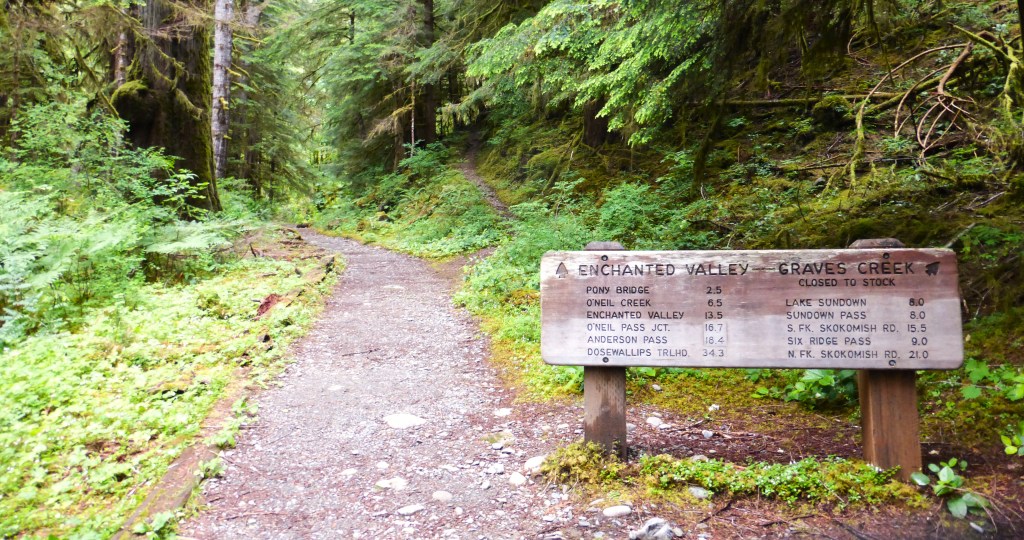
A trail sign in the USA’s Olympic National Park

The satisfaction of looking far below to where I started, or recalling the long and winding trail I took to get here more than compensates for the muscle aches. At the mercy of whatever the weather may throw at me and unpredictable trail conditions, I overcame it all and had a damn good time while doing so.

After a night of recuperating with good food and a soft bed I’m out soon after dawn the next day. All I need is on my back, I know how the trail looks on a map but the scenery will be an unending theatre of surprises. Somewhere, at the end of this path, there’s a dark village with a softly-lit pub ready to welcome a mysterious traveller.

In awe of Armenia

A country I would happily go straight back to, Armenia packs in one heck of a lot of things to see and do

Armenia - Yerevan
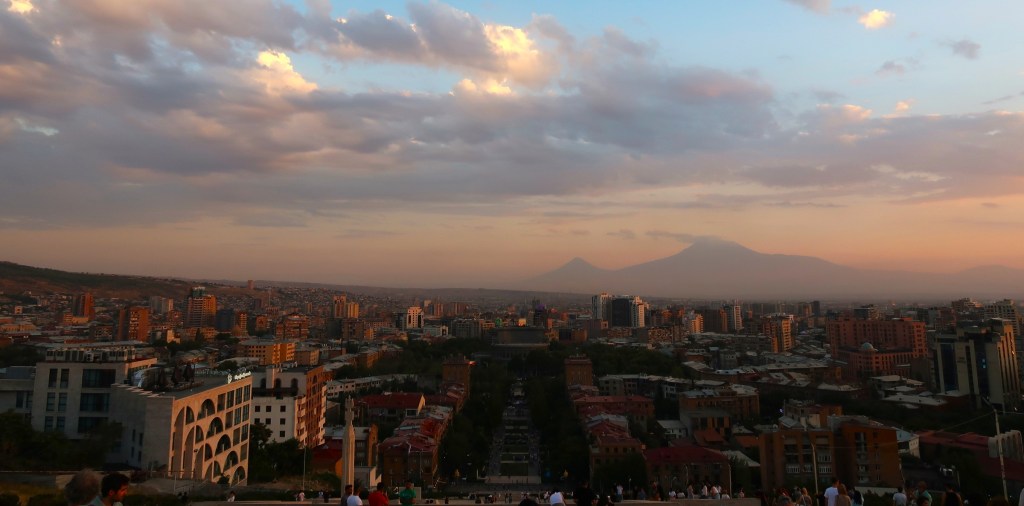
View from the top of the Cascades, Yerevan

Armenia was to be the third country in our tour of the Caucasus, when I mentioned we were visiting here on a travel writing/travel PR site I was approached by a lovely PR person and asked if I’d like someone to show us around. While caveating that I may not be able to get a commission straight away I happily accepted the invite, and I’m very glad I did.

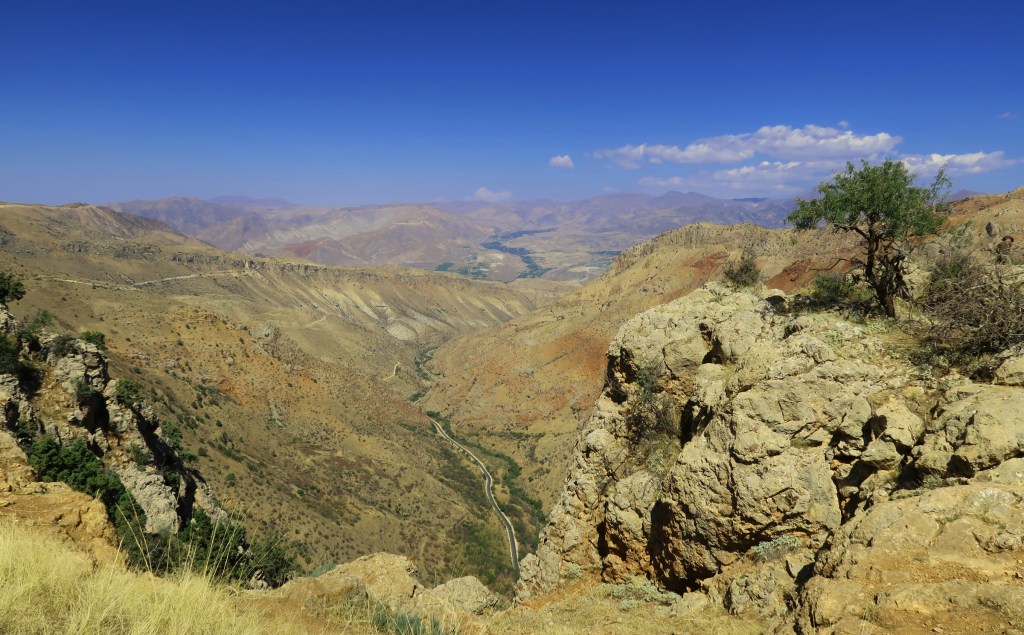
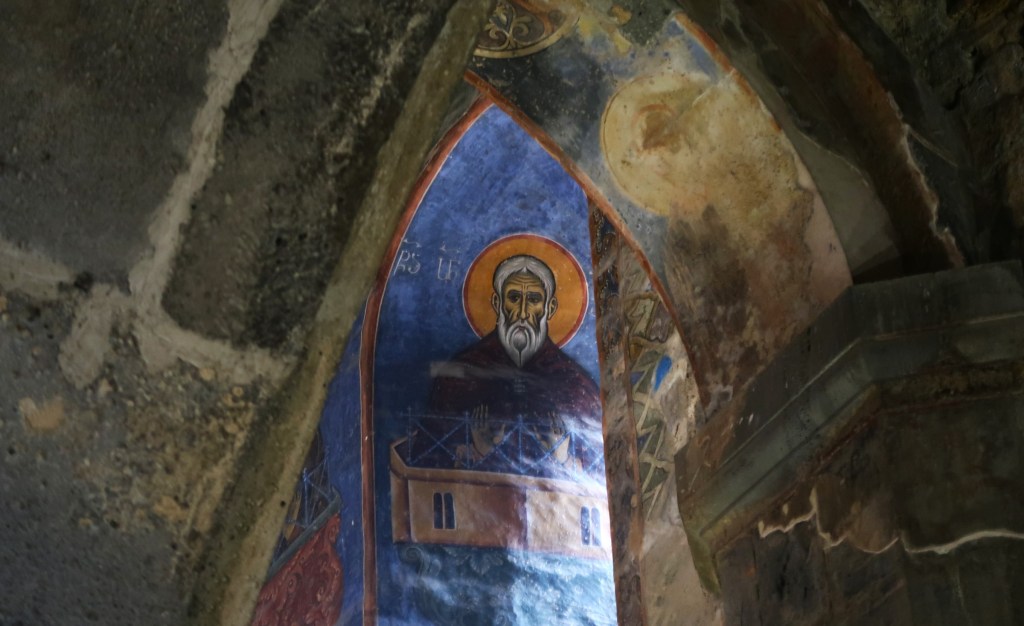
For two days we enjoyed an exhausting and extensive tour of the country, starting with a drive to the start of the Bezoar Goat Trail. Located in the dry and dusty canyons of the Vayots Dzor region the trail was very easy to follow, our experienced enhanced significantly by the guide’s expertise in all things flora, fauna and history. Passing a centuries-old khachkar – upright slabs of stone into which intricate religious designs are carved – was our first indication of the wealth of ancient sights to be seen here. Eyes were further widened when we spotted, far below, the 13th-century Noravank Monastery.

After the short hike we were driven to the monastery which contains two churches and a chapel. I stood in the gloomy interior of Surb Astvatsatsin and thought of all who had stood where I was over the 685 since it was completed.

Armenia - Bezoar Goat Trail
Bezoar Goat Trail

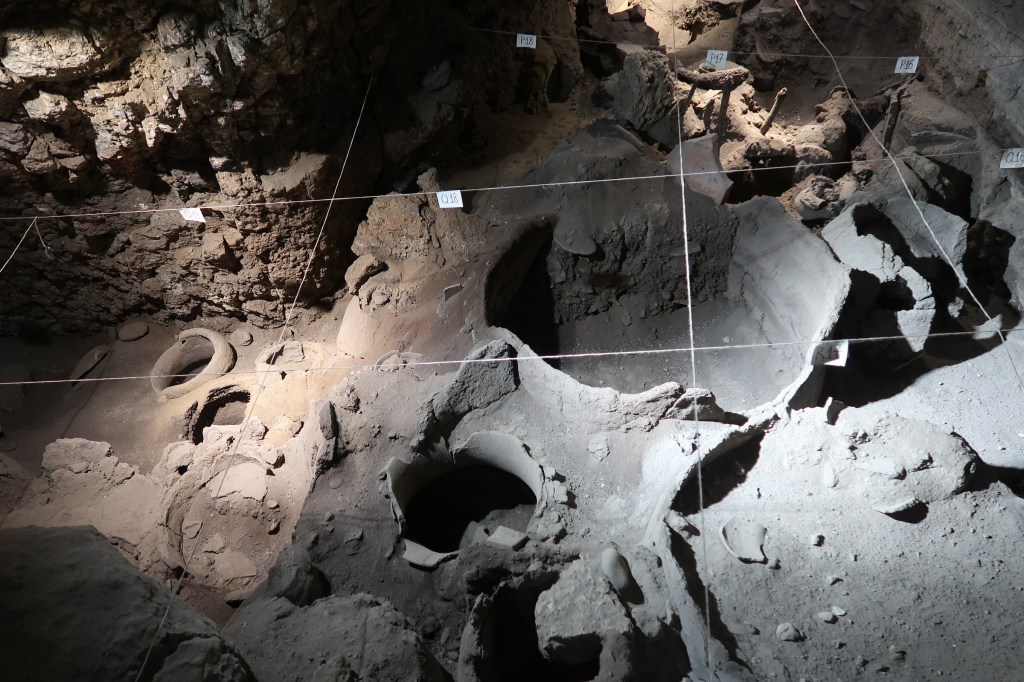
The monastery was far from the oldest sign of civilisation in the Amaghu Valley. At the entrance to the valley is Areni-1 cave where, in 2008, the earliest known shoe was discovered, then the following year archaeologists uncovered the oldest humanoid brain, then in 2010 excavations began on a winery dating back to around 4100BC. Yes, humans have been making wine for 6,000 years.

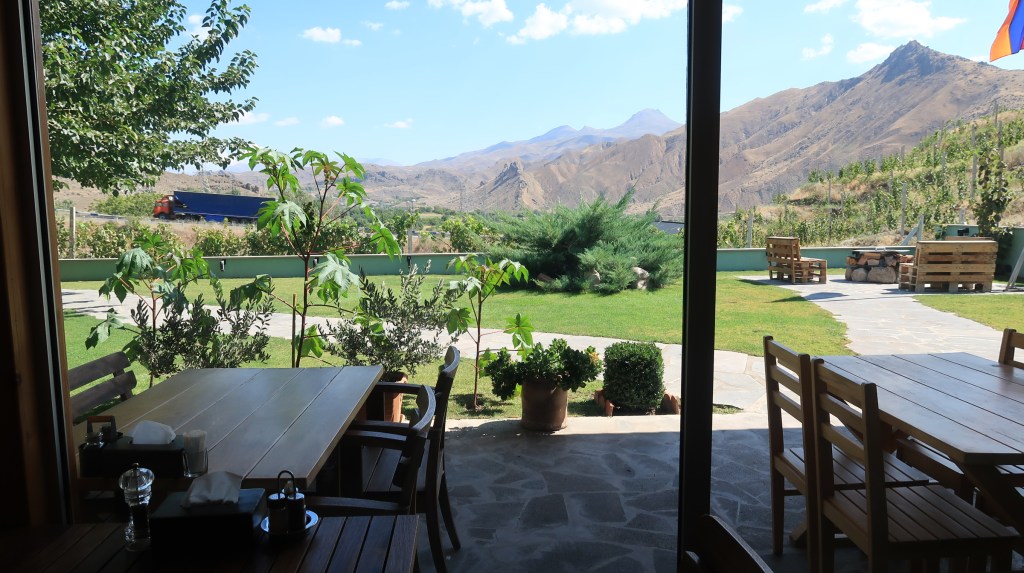
It’s a surprisingly large cave, with boardwalks laid down for visitors to easily walk from one chamber to the next and peer down into the large clay jars in which grapes were once fermented. This whet our appetites for a wine tasting which we enjoyed at the nearby Old Bridge Winery where we sat beside floor-to-ceiling windows overlooking the vines that provided the fruits we now sampled in delicious wine form. Thankfully a generous tray laden with a variety of nibbles helped overcome any tipsiness. After a tour of the winery’s production facilities we returned to Yerevan, passing long lines of military defences.

Armenia - Areni-1 cave
Areni-1 cave
Armenia - Old Bridge Winery
Old Bridge Winery

On our second evening in Yerevan we headed to the Cascade Monument; 572 white marble steps 50 metres wide. Having climbed 302 metres up the steps we could see across the city and all the way to Mt Ararat, the 5,137m dormant volcano that is such a strong part of Armenian identity and yet which was taken by the Soviets and handed to Turkey.

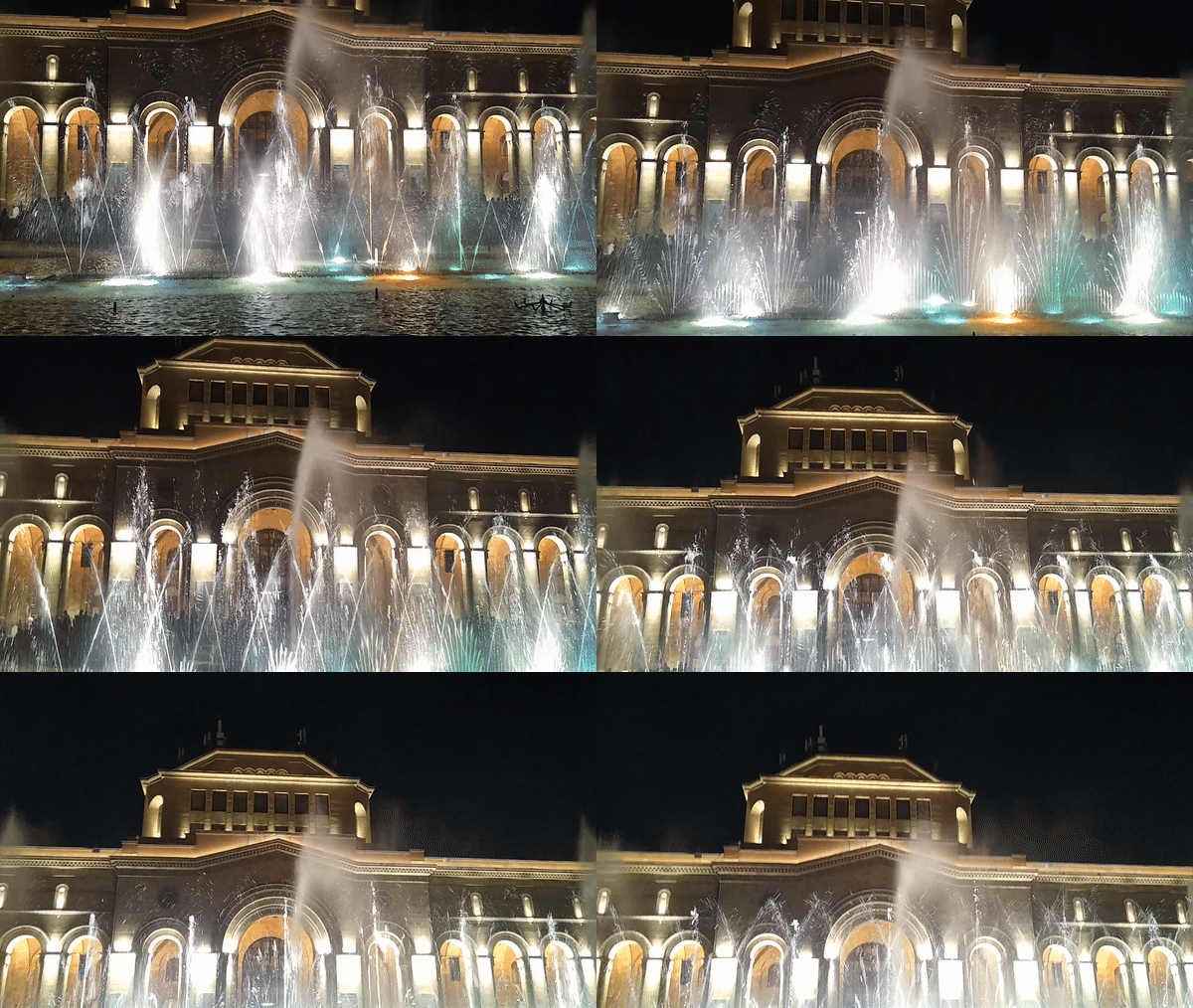
Yerevan may not be architecturally spectacular but the grand buildings surrounding Republic Square are well worth a look, not least because here you will find a huge dancing fountain show. I recommend at least one visit to Tavern Yerevan for the local dishes and loud performances by Armenian singers and musicians.

Armenia - Yerevan dancing fountains
Dancing fountains, Yerevan

Back on the road the next day for an early visit to Sevanavank Monastery, set on a small hill above 5,000 km2 Lake Sevan. Once on an island the 1,150-year-old monastery found itself on a peninsula when the Soviets began draining the lake in the 1930s (intervention since then has seen water levels slowly recover). Our guide pointed out a khachkar in Surp Arakelots Church which has etched into it the face of someone from Central Asia. The theory is that this was done to appease Mongol invaders in the 1200s.

There’s a scene in the movie Who Killed Roger Rabbit where the characters drive through a tunnel from Los Angeles to Toontown, the scene changing from real life to animation as they emerge. Driving through the Dilijan-Sevan Tunnel felt similar to this, entering in a somewhat arid and treeless landscape and emerging into the lush, hilly environs of Tavush province.

Armenia - Sevanavank monastery
Khachkar, Sevanavank Monastery

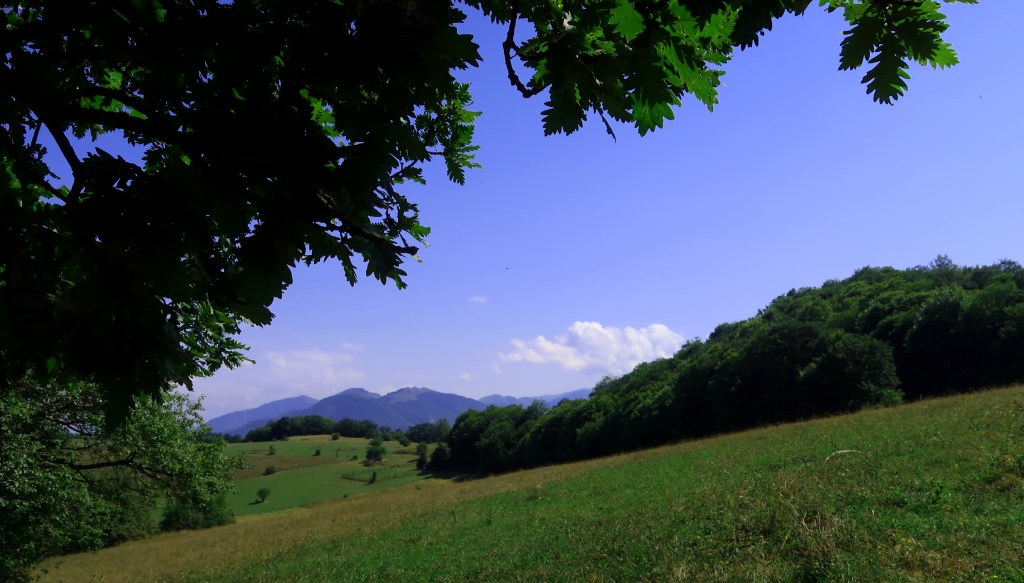
Arriving at Lake Parz we were met with the soft swish of breeze in boughs and a very small attempt at a holiday park on the side of the tree-lined lake. Having learned that we’re fast walkers our knowledgeable guide set off at speed along a well-marked trail, a small part of the impressive Trans-Caucasian Trail which runs for about 3,000km through parts of Armenia, Azerbaijan and Georgia. This section of trail is in the Dilijan National Park and rises through forests, over ridges and down to a village called Gosh.

After stopping to admire the 12th-century Goshavank monastery – which has been well-preserved over the years but not to the extent where signs of age have been hidden away – we lunched in “I can’t believe it’s not Switzerland” Dilijan town before zooming back through that tunnel and deep into rural Gegharkunik Province.

Armenia - Dilijan National Park
Dilijan National Park

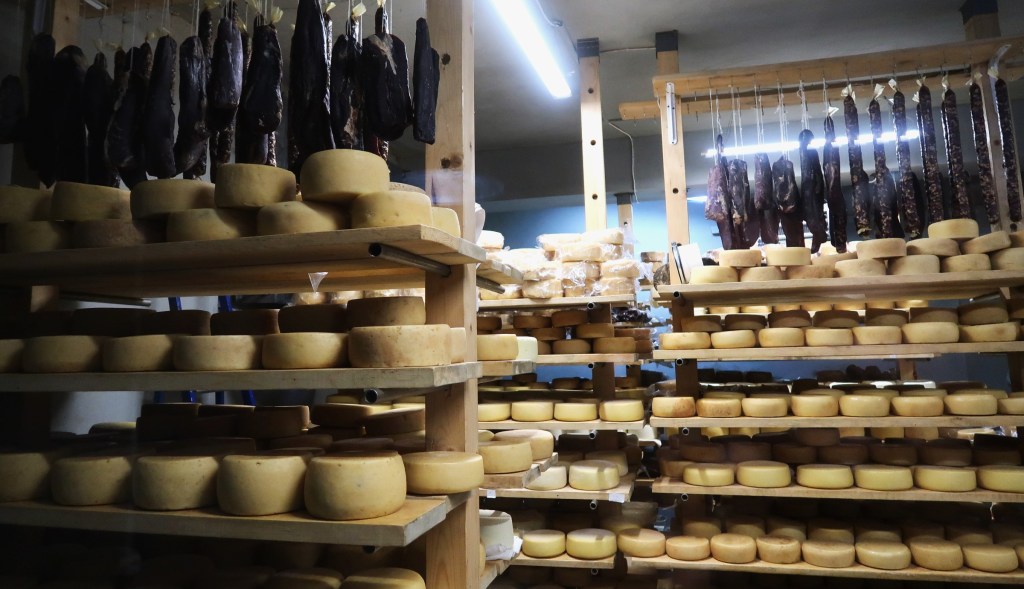
What better way to end a trip than with a cheese tasting, accompanied by more of that lovely Armenian wine? The Mikayelyan Family Farm was set up in 2012 b an ex-Ministry of Finance employee and a biologist. Together they invested in a creamery set underground and eventually, with a co-operative of other local families – amassed a dairy herd of 40 cows. That underground facility feels like a modern concrete bunker, it’s a necessary piece of architecture to produce and preserve the fine cheeses and meats they make here.

After an entertaining talk about the farm’s cheeses and cheesemaking process we were led back out into the sunlight and into a covered area where we sampled several different cheeses, all of them delicious but my favourite being something very similar to a parmesan.

Armenia - cheese tasting
Cheese tasting at the Mikayelyan Family Farm

Thanks to our highly skilled guide and driver we had managed to see so much of this incredible country in just two very full days. Now, though, it was time to return to Georgia, a five hour drive which took much longer because we hired a driver so that we could stop off and see yet more monasteries.

UNESCO has been very busy in Armenia judging by all of the listed sites here. One of the most famous is the Haghpat Monastery complex, built between the 10th and 13th centuries and containing several of those dark grey stone structures. The Cathedral of Surb Nshan is the highlight here. Constructed some time around 970 it has a wealth of recesses, carvings and frescoes.

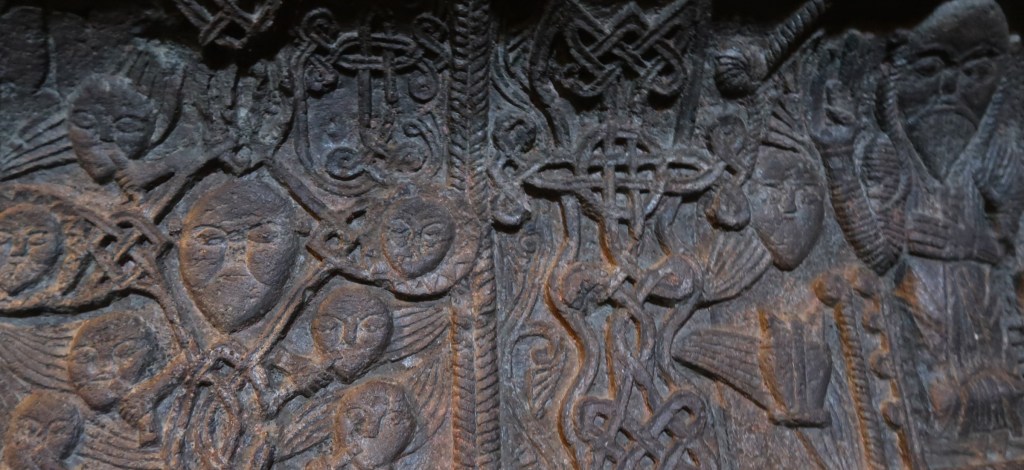
Along the road to Georgia we also stopped at Odzun Church, an astonishing 1,300 years old. It’s a very peaceful place and we didn’t see a single other tourist. Akthala Monastery was far busier, perhaps because it had such a dramatic setting on top of some very high cliffs. No wonder it doubled as a fortress, albeit one not strong enough to old back Timur’s forces who’d maurauded here all the way from Uzbekistan.

Armenia - Akthala Monastery
Ancient artwork in Akthala Monastery

Few countries have surpassed my expectations as much as Armenia did. It’s such an easy country to get around (if you have a driver) and, for a country listed at #138 in size, packs in such a massively diverse range of scenery, such a long and rich history, and such a wealth of culture. I would very much like to return one day.


Getting to Armenia

๐Ÿจ

We stayed at the Republica Hotel in Yerevan which I can recommend for its comfort and great location.

๐ŸšŒ

Marshrutkas (public minivans) depart for Yerevan throughout the day from outside Tbilisi train station. They will depart when full.

๐Ÿš†

There’s a night train which departs Tbilisi at 22:45 in summer, arriving into Yerevan at 08:59 . Be aware that you’ll stop at the border for a few hours in the middle of the night. Click the button for more details on the excellent Wander-Lush site.

Sadly there aren’t yet any direct flight links between Armenia and the English speaking world, but plenty of connections via other cities. Wizz Air is probably your cheapest option.

Top ^

USA’s most remote stations

Adventure awaits in some of the USA’s most remote stations, just don’t expect much accommodation choice

A remote rail on Amtrak’s Empire Builder line

There are over 500 Amtrak stations in the contiguous USA and 13 served by the Alaska Railroad, with only the latter offering truly wild locations. But, when you step off that comfy, civilised train and into the sort of destination where you look up and are greeted by perfectly dark skies and silence, these remote train stations will make you feel as if you’ve arrived somewhere very special.

Although many of the remote stations I’ve featured can also be reached by road, it would be a long car journey with only a small community at the end. In fact, none of the stations below serve populations of more than 3,000 people.


Talkeetna, AK

Starting with one of the most remote stops on this page, Talkeetna is where you come to visit Alaska’s immense Denali National Park.

๐Ÿš† Year-round Alaska Railroad services on the Denali Star Train, Hurricane Turn Train and Aurora Winter Train
๐Ÿ›๏ธ Recommended accommodation:
Talkeetna Alaska Lodge

Talkeetna Station by Nils ร–berg

Sanderson, TX

With a population of just 837 people and the nearest city of over 100,000 (Odessa) over 150 miles away, Sanderson is a quiet Texas town filled with rail and ranch history. It’s a good place to stop on the way to Big Bend National Park (best accessed via Alpine, one stop along) and believed to be the least-used station on Amtrak’s network.

๐Ÿš†Amtrak’s Texas Eagle and Sunset Limited stop here 6 days/week each way
๐Ÿ›๏ธ Recommended accommodation:
Desert Air Motel

Sanderson, Texas by Jaime Chapoy


Chemult, OR

On the spectacular line between Los Angeles and Seattle, Chemult is a good base for Oregon adventures in the Winema National Forest, and Crater Lake National Park is just 30 miles away.

๐Ÿš† The Coast Starlight stops in Chemult daily in both directions
๐Ÿ›๏ธ Recommended accommodation:
Woodsman Country Lodge (if you don’t mind hiking from Chemult)

Chemult, Oregon by Oregon Department of Transportation


Thurmond, WV

This remote station is in a ghost town that’s listed on the National Register of Historic Places. Accessible only by rail until 1921, Thurmond in West Virigina once prospered from coal mining but is now the second least-used Amtrak station. Where once 462 people lived there are now only five.

๐Ÿš†Three departures/week on Amtrak’s Cardinal service between New York and Washington DC
๐Ÿ›๏ธ Recommended accommodation:
Thurmond’s Historic Guest House

Thurmond, West Virginia by Ncjks


Dunsmuir, CA

Northern California’s natural beauty will be immediately apparent as you disembark at Dunsmuir where lakes and waterfalls are within easy hiking distance (although you will be arriving at 04:58 going north or 00:45 going south). Despite regular rail services just a few thousand people step off the train here every year. Don’t miss the Dunsmuir Museum in the station.

๐Ÿš† Daily departures in both directions on the Coast Starlight service
๐Ÿ›๏ธ Recommended accommodation:
Hotel Mossbrae

Dunsmuir, California by Loco Steve


Green River, UT

“Waypoint To Wild” is this Utah town of 847 people’s motto, and, located on a tributary of the Colorado River, wild you can most certainly get with kayaking and rafting on the Green River itself. It’s a 107-mile drive west to the next nearest town, Salina, so Green River is an important refuelling stop. My favourite fact about this place is that it was the inspiration for one my favourite childhood movies, Fievel Goes West.

๐Ÿš† The wonderfully-named California Zephyr stops at Green River twice daily going north or south
๐Ÿ›๏ธ Recommended accommodation:
River Rock Inn

Green River, Utah by Davemeistermoab


Spencer, AK

Ending with a very remote stop on the Alaska Railroad, from this station it’s a 1.3-mile hike to Spencer Glacier and, this being Alaska, other adventures are available. The carriages on this railroad feature either picture windows or domed glass.

๐Ÿš† Take the daily Glacier Discovery train from late May to mid-September
๐Ÿ›๏ธ Recommended accommodation:
Spencer Bench Cabin

Spencer, Alaska by Frank Kovalchek